The truth about home DIY windshield repair kits
The Professional Perspective on Laminated Glass Integrity
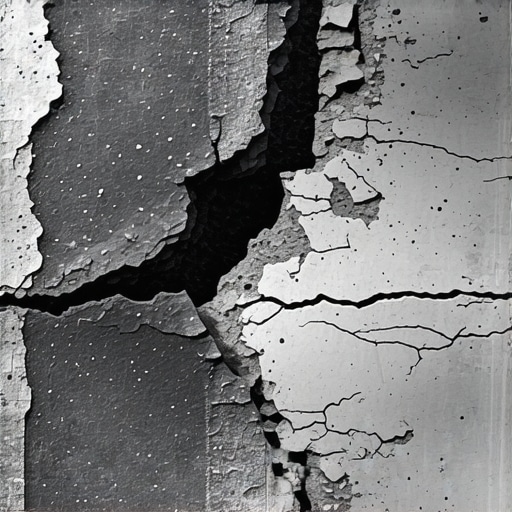
In twenty-five years of handling glass, from structural curtain walls to high-impact automotive glazing, I have seen every shortcut in the book. There is a common misconception that a windshield is just a piece of glass. It is actually a complex structural component, a laminated sandwich of two layers of annealed glass held together by a Polyvinyl Butyral (PVB) interlayer. When a rock strikes that surface, it creates a fracture that is more than a blemish; it is a structural failure in the tension of the outer lite. People often ask me if those ten-dollar kits from the local hardware store are worth the effort. The answer is rarely a simple yes, and the physics of why they fail is something every driver needs to understand before they end up paying for a full replacement.
I remember a specific case that perfectly illustrates the danger of the ‘do-it-yourself’ mentality in glazing. A homeowner called me in a panic because their minor chip had suddenly turned into a two-foot crack while they were attempting a repair. I walked onto the driveway and didn’t even need my hygrometer to see what happened. They were working in direct sunlight on a ninety-degree afternoon. The glass surface temperature was likely hovering around one hundred and forty degrees. As they applied pressure with the cheap plastic bridge included in the kit, the thermal stress combined with the mechanical pressure caused the fracture to ‘run.’ What was a fifty-dollar repair turned into a six-hundred-dollar replacement of a rain-sensing, heated windshield. It was a classic case of not understanding the material properties of the glass.
“The goal of a professional repair is to restore the structural integrity of the glass and improve the optical clarity of the damaged area. Failure to properly evacuate air from the break before injecting resin often leads to catastrophic failure of the repair.” – ROLAGS (Repair of Laminated Auto Glass Standard) General Principles
The Physics of the Void: Why Resin Isn’t Just Glue
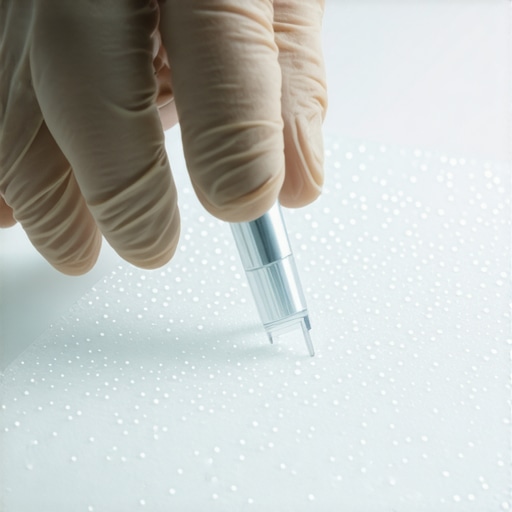
To understand why a professional mobile service is necessary, you must understand the refractive index of glass. When a chip occurs, air is trapped in the microscopic space between the layers of glass. Air has a different refractive index than glass, which is why you see a black or silver shadow around the pit. A DIY kit relies on gravity and a very basic plunger to force resin into that space. However, if the air is not completely evacuated using a professional-grade vacuum pump, the resin will only coat the surface, leaving a pocket of air trapped inside. Over time, as the car vibrates and the temperature fluctuates, that air expands and contracts. Eventually, the bond fails, and the chip reappears or, worse, spreads across the entire span of the glass.
Professional glass installers use high-viscosity resins that are specifically engineered to match the refractive index of the specific glass type. We also utilize UV-curing lamps that emit a specific wavelength, typically around 365 nanometers, to ensure the polymer chains in the resin bond permanently with the glass. Most DIY kits rely on natural sunlight for curing, which is inconsistent. If the resin cures too quickly, it becomes brittle; if it cures too slowly, it can attract contaminants that cloud the repair. This is where the ‘same-day’ expert earns their fee. We manage the environment, the temperature, and the chemical reaction to ensure the repair is permanent.
Thermal Stress and the Role of the Mobile Service
In my decades as a glazier, I have seen that the environment is the greatest enemy of a glass repair. For those living in climates with extreme temperature swings, the risk of a DIY failure is even higher. When you have a cold interior and a hot exterior, the glass is under immense stress. A professional mobile service technician doesn’t just show up and start squirtng resin. They first stabilize the temperature of the glass, often using shades or climate control, to ensure the ‘rough opening’ of the fracture is in a neutral state. We look for ‘legs’ or ‘spidering’ that might not be visible to the naked eye. We use a probe to clear the ‘pit’ of pulverized glass and debris that would otherwise prevent the resin from reaching the furthest reaches of the fracture.
“Installation and repair of safety glazing materials must be performed by qualified personnel to ensure that the safety characteristics of the material are not compromised during the process.” – ASTM C1172 Standard Specification for Laminated Architectural Flat Glass (Contextual Adaptation for Safety Glazing)
The Cost of the ‘Quick Fix’ Myth
The marketing for these kits suggests they are a ‘game-changer’ for the average consumer, but they rarely mention the ‘one-shot’ rule. Once you have injected a low-quality, hardware-store resin into a chip and it has partially cured, it is nearly impossible to remove it. If the DIY attempt fails, a professional glass installer cannot simply ‘do it over.’ The contaminated area is now sealed with a sub-par material, meaning the entire windshield must be scrapped. When you consider that many insurance companies will waive the deductible for a chip repair performed by a certified mobile service, the ROI on a DIY kit becomes negative almost immediately. You are essentially gambling the price of a full windshield against a ten-dollar plastic syringe.
When we talk about ‘same-day’ service, it isn’t just about convenience. It is about stopping the ingress of moisture and dirt into the PVB interlayer. If water gets into that plastic layer, it can cause delamination, which manifests as a milky white haze around the edges of the glass. Once delamination starts, the structural bond is gone. A professional glazier will use a specialized drying agent to remove any moisture before the resin is ever introduced. This level of technical detail is what separates a permanent fix from a temporary smudge. We are dealing with tolerances measured in microns. The ‘caulk-and-walk’ installers might be long gone from the industry, but their spirit lives on in these DIY kits. Real glass work requires a mastery of the tools and an understanding of the chemistry involved in the bond. Don’t let a small pit become a total loss because you underestimated the science behind your windshield.