Why your glass tech asks you to roll the windows down
The Science of the Slam: Why Pressure Management Defines a Successful Install
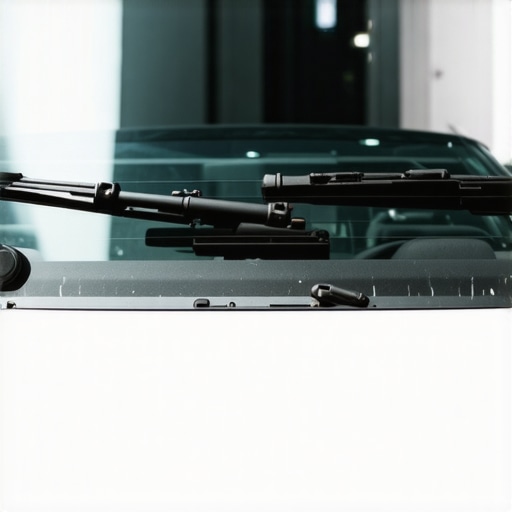
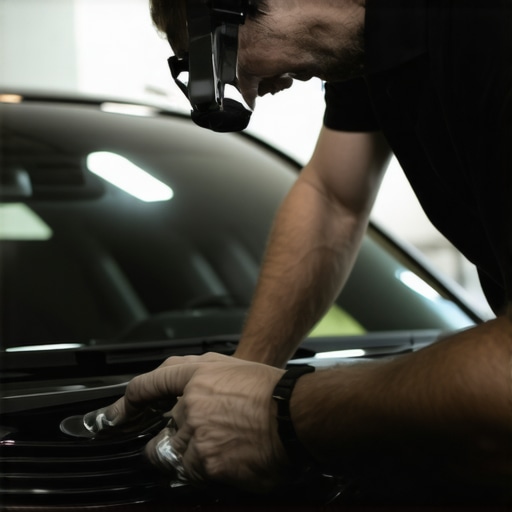
You have just watched a mobile service glass installer meticulously prep the pinchweld, apply a bead of high-modulus urethane, and set a new windshield with the precision of a surgeon. As they pack up their tools, they give you one final, seemingly odd instruction: Leave your windows cracked about an inch for the next 24 hours. This is not a suggestion based on comfort. It is a technical necessity rooted in the laws of physics and the structural integrity of your vehicle. When a mobile service professional performs a same-day chip repair or a full replacement, they are managing more than just a piece of glass; they are managing a pressurized vessel. To understand why that gap in your window is vital, we have to look at the ‘The Condensation Crisis’ logic. A homeowner called me in a panic because their new windows were sweating. I walked in with my hygrometer and showed them the humidity was 60 percent. It wasn’t the windows; it was their lifestyle and the pressure within the home. In a car, that pressure is even more concentrated. When you close a car door, you are displacing a massive volume of air. In a sealed cabin, that air has nowhere to go but against the weakest point of resistance. On a fresh glass installer job, that weak point is the wet urethane bead that has not yet reached its full structural bond. If you slam the door with the windows up, that pressure spike can literally blow a hole through the seal, creating a chronic whistle or, worse, a site for future water intrusion.
“Installation is just as critical as the window performance itself. A high-performance window installed poorly will fail.” – AAMA Installation Masters Guide
The Anatomy of the Bond: Urethane, Frit, and the Rough Opening
To the untrained eye, a windshield is held in by glue. To a Master Glazier, it is a complex chemical marriage. The glass itself features a black ceramic band known as the Frit. This is not decorative. The Frit provides a rough surface for the urethane to grab onto, as glass is naturally too smooth for high-strength adhesion. It also protects the urethane from ultraviolet radiation, which would otherwise degrade the bond over time. When we talk about a mobile service, the technician is dealing with a moving Rough Opening. Unlike a house where the frame is static, a car frame twists and flexes. This is why the choice of adhesive is critical. We use moisture-cure urethanes that rely on ambient humidity to trigger the cross-linking of molecules. If the air is too dry, the cure slows down. If the air is too humid, it can skin over too quickly. A professional glass installer must calculate the Minimum Drive-Away Time based on these environmental variables. This is the same logic we apply to a Sill Pan in a residential setting; if the foundation isn’t managed for water and air movement, the most expensive glass in the world is useless. During a same-day service, the technician is essentially giving you a structural component that is still in its ‘liquid’ phase. The Shim and the Glazing Bead in a residential window keep the glass centered, but in a car, the urethane is the only thing doing the heavy lifting during those first critical hours.
Thermal Stress and Solar Heat Gain in the Mobile Context
In hot climates, the glass acts as a thermal conductor. If you are in the South, Solar Heat Gain (SHGC) is your primary adversary. The sun’s short-wave radiation passes through the glass and is absorbed by your dashboard, which then re-radiates it as long-wave infrared heat. This creates a greenhouse effect that can rapidly expand the air inside the cabin. If the windows are rolled up, that expanding air puts constant outward pressure on the new glass seal. By leaving the windows cracked, you are creating a vent for this thermal expansion. This is the same reason why we specify Low-E coatings on Surface #2 for residential windows in the South; we want to reflect that heat before it ever enters the building envelope. A chip repair is no different. If a technician performs a chip repair on a hot day and then you blast the air conditioner, the thermal shock can cause the crack to spread instantly across the laminate. The internal PVB (Polyvinyl Butyral) layer between the two sheets of glass is sensitive to these temperature swings. A Master Glazier understands that glass is a dynamic material that is constantly moving, expanding, and contracting.
“Standard Practice for Installation of Exterior Windows, Doors and Skylights emphasizes that the fenestration product must be integrated into the weather-resistive barrier to ensure long-term durability.” – ASTM E2112
The Myth of the Quick Fix: Why Technician Skill Trumps Speed
The industry is flooded with ‘caulk-and-walk’ installers who prioritize speed over science. They might offer same-day service, but if they are not cleaning the Pinchweld down to the bare metal or applying the correct primers, the bond will eventually fail. When we look at the water management system of a vehicle, the glass is the primary shield. Below the glass lies the Cowl, which is designed to catch water and direct it through Weep Holes. If an installer applies too much urethane, they can block these drainage paths, leading to water backing up into the cabin and rotting the floorboards. This is the automotive equivalent of a missing Drip Cap on a house window. You might not see the leak today, but in three years, the rust will have compromised the structural integrity of the frame. A professional glass installer is not just a technician; they are a guardian of the vehicle’s safety cage. In the event of a rollover, the windshield provides up to 60 percent of the roof’s structural support. If that bond is compromised because you slammed the door and blew out the seal, the roof could collapse. This is why we are so militant about the windows being down. It is about maintaining the integrity of the Rough Opening until the chemical bond is strong enough to withstand the pressure of daily use. Don’t buy the hype of a twenty-minute install; buy the science of a proper cure. The next time you see those black dots on the edge of your glass or feel the draft of a cracked window after a service, remember that it is the only thing keeping your safety system intact. Water management, pressure equalization, and chemical adhesion are the three pillars of glazing, whether it is a skyscraper or a sedan. Ignoring one leads to the inevitable failure of the others.