Why you should never ignore a chip in your line of sight
The Deceptive Simplicity of a Glass Chip
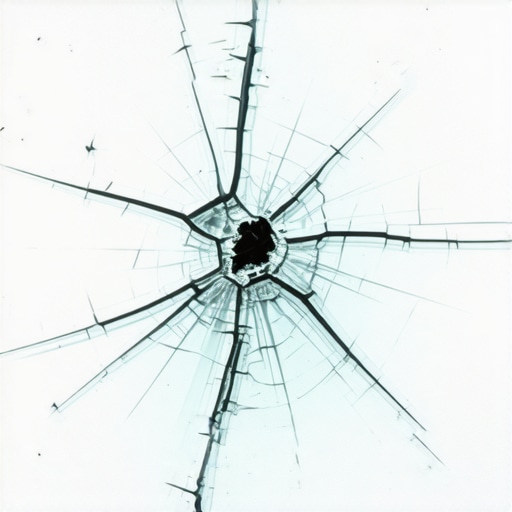
To the untrained eye, a 2mm chip in a window pane is nothing more than a cosmetic nuisance, a tiny speck that catches the light at sunset. However, as a master glazier with a quarter-century of experience in the field, I see something far more sinister. I see a structural vulnerability that threatens the thermal envelope of your home. A window is essentially a transparent structural component under constant tension. When you ignore a chip in your line of sight, you are ignoring the physics of brittle fracture. This tiny divot is a stress concentrator, a point where the molecular bonds of the silicate structure have already begun to fail. In my twenty-five years, I have seen these minor imperfections transform into catastrophic failures overnight, often triggered by nothing more than a shift in barometric pressure or a sudden drop in temperature.
“Installation is just as critical as the window performance itself. A high-performance window installed poorly will fail.” AAMA Installation Masters Guide
I recall a specific instance that highlights the danger of procrastination. A homeowner in a northern climate called me in a panic because their large picture window had seemingly exploded at three in the morning. Upon inspection, the evidence was clear. I walked in with my hygrometer and thermal camera, but the real story was in the glass fragments. There was a small, weathered impact site near the center of the pane. The homeowner admitted they had seen a small chip months ago but thought it was harmless. What they did not realize was that the humidity in their home was nearly 60 percent during a deep freeze. That small chip had allowed moisture to enter the microscopic fissures of the glass. When the temperature dropped to sub-zero, the water expanded, and the internal stress of the tempered glass reached its limit. It was not a random act of God; it was a predictable result of a neglected chip repair.
The Physics of the Line of Sight Disturbance
When a chip exists in your line of sight, it does more than just block your view. It creates a refractive anomaly. Light passing through the glass hits the irregular surfaces of the chip and scatters. This is not just annoying; for an operable window used for security or monitoring, it can obscure critical details. More importantly, that refraction is a sign of an uneven surface that is prone to further cracking. In a northern climate, where we fight a constant battle against heat loss, the integrity of the glass is your primary defense. We focus heavily on the U-Factor, which measures the rate of non-solar heat loss. A chip can lead to a micro-crack that breaches the seal of an Insulated Glass Unit (IGU). Once that seal is gone, your expensive Argon gas fill leaks out, replaced by moist air that fogs the interior of the glass. This ruins the insulating value of the window, effectively turning your high-performance glazing into an expensive piece of single-pane glass.
Why Same-Day Mobile Service is a Structural Necessity
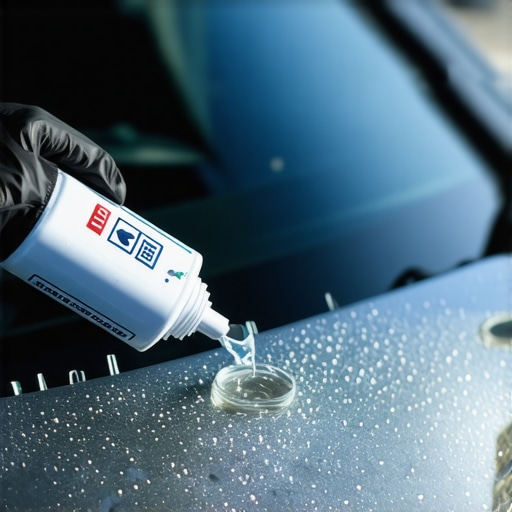
Many homeowners ask why they should hire a professional glass installer for a minor chip when they could try a DIY kit. The answer lies in the chemistry of the repair. A professional chip repair involves injecting a specialized resin into the fracture under vacuum. This resin must match the refractive index of the glass perfectly. A mobile service is essential because the longer you wait, the more contaminants like dust, oils, and window cleaner chemicals lodge themselves inside the chip. Once contaminated, the bond strength of the resin is compromised. A same-day response ensures that the repair is performed on a clean fracture, maximizing the structural restoration of the pane. We do not just fill the hole; we use UV light to cure the resin, effectively welding the glass back together at a molecular level.
“Glazing systems must be designed to withstand the positive and negative pressures of the local wind environment without compromising the interior seal.” ASTM E2112 Standard Practice
The Threat of Thermal Stress in Cold Climates
In regions like Chicago or Minneapolis, windows undergo extreme thermal cycling. The interior of the glass might be seventy degrees while the exterior is minus ten. This creates a massive temperature gradient across the thickness of the glass. We use Low-E coatings on Surface 3 in these climates to reflect heat back into the room. However, this coating relies on the glass being a continuous, unbroken surface. A chip creates a weak point where thermal expansion cannot occur uniformly. The glass around the chip expands at a different rate than the rest of the pane, leading to a stress crack. These cracks often start at the edge, near the glazing bead or the sash, and zip across the window in a matter of seconds. By the time you see the crack, the window is beyond repair and requires a full replacement of the IGU, which is significantly more expensive than a simple chip repair.
Understanding the Anatomy of Your Window
When we arrive for a mobile service, we look at more than just the chip. We inspect the rough opening and ensure that the window is still level and plumb. If the house has shifted, the shim may be putting undue pressure on the frame, which in turn puts pressure on the glass. This pressure makes a chip even more dangerous. We check the weep hole to ensure that moisture is draining away from the glazing pocket. If water sits against the edge of the glass because of a clogged weep hole, it can accelerate the degradation of the chip through a process called sub-critical crack growth. Every component, from the muntin to the sill pan, plays a role in keeping that glass stable. If the flashing tape was not applied correctly during the original installation, moisture could be rotting the header above the window, causing the weight of the wall to bear down on the window frame. This mechanical stress will find the chip and turn it into a failure point every single time.
The ROI of Immediate Repair
The math of window maintenance is simple. A mobile chip repair cost is a fraction of a full IGU replacement. Beyond the direct cost, there is the matter of comfort and energy efficiency. A compromised window allows for air infiltration, making your HVAC system work harder. You might not feel a draft from a chip, but you are feeling the effects of a weakened thermal barrier. Do not wait for the first frost or a heavy windstorm to test the limits of your glass. Contact a glass installer at the first sign of damage. Our same-day service is designed to preserve the original factory seal of your windows, ensuring that the SHGC and U-Factor ratings stay exactly where they were intended to be. Protect your investment, ensure your safety, and maintain your clear view of the world by treating every chip with the technical seriousness it deserves. { “@context”: “https://schema.org”, “@type”: “HowTo”, “name”: “How to Identify and Address Window Glass Chips”, “step”: [ { “@type”: “HowToStep”, “text”: “Visually inspect the glass for small pits or star-shaped fractures in your line of sight.” }, { “@type”: “HowToStep”, “text”: “Clean the area gently with a dry microfiber cloth to remove surface dust without pressing hard.” }, { “@type”: “HowToStep”, “text”: “Call a professional glass installer for a same-day mobile service to prevent crack propagation.” } ] }”,