Why your insurance company covers chip repairs for free
The Economics of the Stress Cone: Why Free Glass Repair is a Mathematical Necessity
In the world of professional glazing, we do not view a glass chip as a minor cosmetic blemish. We see it as a structural failure in its infancy. For over twenty-five years, I have seen homeowners ignore a small bullseye on their windshield or a pebble strike on a tempered pane, only to find the entire unit shattered or spider-webbed beyond recovery forty-eight hours later. When people ask why insurance companies are so eager to waive deductibles for a chip repair, it is not because they are being generous. It is because they understand the physics of glass better than the average consumer. A glass installer sees a chip as a point of localized stress that will inevitably propagate. The insurance company sees a fifty-dollar preventative maintenance cost versus a thousand-dollar full-unit replacement claim.
The Moisture Crisis: A Narrative of Structural Failure
A homeowner called me last February in a total panic. They had a tiny star break in their glass, no bigger than a thumbnail. They had left it for three weeks. I walked onto the driveway with my hygrometer and a thermal imaging camera. The humidity was high, and the overnight temperature had swung from thirty degrees to a sunny fifty. I showed them the moisture trapped inside the break. Because they had waited, that moisture had undergone a freeze-thaw cycle. The expansion of the water molecules within the laminate layer had acted like a hydraulic jack, prying the glass apart from the inside. It was not a repairable situation anymore. This is what we call a ‘lifestyle failure’ in the trade. If they had called for a mobile service the day it happened, the integrity would have been saved. Instead, they were looking at a full replacement of an ADAS-equipped windshield that required recalibration. Their insurance company would have paid for the repair in full; now, the homeowner was stuck paying a heavy deductible for a full replacement.
“Installation and maintenance are just as critical as the glass performance itself. A high-performance unit that is compromised by structural damage will fail to meet safety and thermal expectations.” AAMA Installation Masters Guide
The Science of the Void: How Chip Repair Actually Works
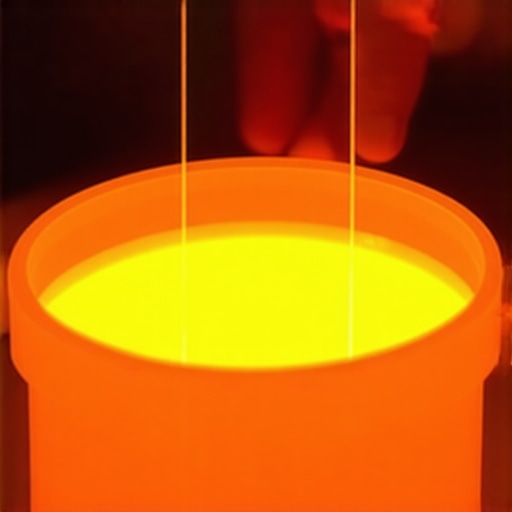
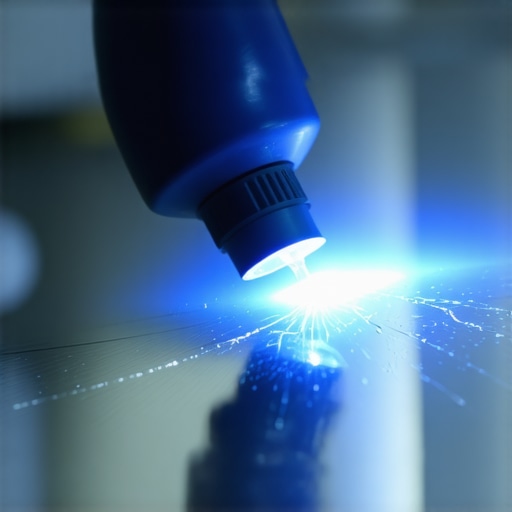
When a pebble strikes glass, it creates a void. This is not just a hole; it is a disruption of the surface tension. In a same-day repair scenario, a professional glass installer uses a bridge tool to create a vacuum over the impact point. We have to evacuate the air and any trapped moisture before we can even think about resin. This is where the ‘caulk-and-walk’ amateurs fail. They just smear resin on top. A master glazier uses a precise vacuum-to-pressure cycle. Once the air is out, we inject a high-viscosity, UV-curable resin that matches the refractive index of the glass perfectly. This resin is not just glue; it is a structural polymer designed to bond with the silica on a molecular level. This restores the structural integrity of the Rough Opening and prevents the crack from spreading under thermal load.
Climate Logic: Why Temperature Is the Enemy of Glass
If you live in a northern climate, your primary enemy is the U-Factor and thermal expansion. In these regions, we focus on how heat loss affects the glass. When you have a chip, and you turn on your defroster in a Chicago winter, you are subjecting that Sash to a massive thermal shock. The inner layer of glass expands while the outer layer remains frozen. The chip acts as a fulcrum, and the glass will split along the lines of least resistance. In southern climates, the Solar Heat Gain Coefficient (SHGC) takes center stage. The intense radiant heat from the sun can bake a glass surface to over 150 degrees. This heat causes the Glazing Bead and the glass itself to expand against the frame. If there is a chip, that expansion has nowhere to go but out, resulting in a long, unrepairable crack. This is why mobile service is so critical in these areas; the repair needs to happen before the next peak-heat cycle of the afternoon.
“The structural integrity of fenestration products is dependent on the continuity of the glass surface. Any breach in this surface must be addressed to maintain the design pressure ratings.” NFRC Performance Standards
The Myth of the Quick Fix
Many people believe that a chip repair is just about aesthetics. They think if they can live with the tiny dot, they should. This is a misunderstanding of how glass is manufactured. Modern glass is often part of a complex system involving Sill Pans, Flashing Tape, and specific Shim placements to ensure the load is distributed evenly. When a chip occurs, the load distribution is compromised. The insurance company knows that a same-day repair keeps the operable parts of your vehicle or home windows functioning within their original safety parameters. They cover the cost because the ROI on a repair is essentially immediate compared to the logistical nightmare of a full teardown. If you see a chip, you are looking at a ticking time bomb. The glass installer is the bomb squad. By using specialized resins and vacuum tools, we can stabilize the Rough Opening and ensure that the factory seal remains intact. This is the only way to manage the ‘Shingle Principle’ of water shedding and the mechanical stresses of daily use.
Final Technical Considerations
Do not be fooled by high-pressure sales tactics that suggest every chip requires a new window. However, do not be so naive as to think a chip is harmless. A professional evaluation will determine if the damage has reached the PVB interlayer. If the Weep Hole is clear and the frame is stable, a mobile service technician can usually have you back to full structural strength in under an hour. This is the glazier’s gospel: manage the hole in the wall before the hole manages you. The insurance company pays for the repair because they would rather pay for a technician’s time than a manufacturer’s glass and a full day of labor. It is a rare instance where the financial interests of the insurer and the safety interests of the owner align perfectly. Take advantage of it before the next temperature swing turns that chip into a disaster.