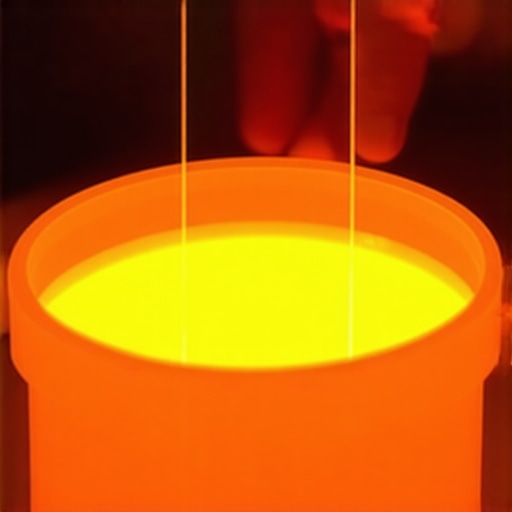
The specific way professional resin cures under a UV lamp
The average observer sees a window or a windshield as a static object, but as a master glazier with a quarter-century in the field, I see a dynamic material constantly under stress. When a chip occurs, you are not just looking at a cosmetic blemish; you are witnessing a structural failure of the silica lattice. To understand how a professional glass installer utilizes same-day mobile service to fix these issues, we have to look past the surface and into the molecular behavior of anaerobic resins and ultraviolet radiation.
“Installation is just as critical as the window performance itself. A high-performance window installed poorly will fail.” AAMA Installation Masters Guide
A homeowner called me in a panic because their new windows were sweating and a small chip they tried to fix themselves had turned into a massive spiderweb crack. I walked in with my hygrometer and showed them the humidity was 60 percent while the outdoor temperature was plummeting. It wasn’t the windows; it was their lifestyle combined with an improper DIY repair. They had used a cheap retail kit that lacked the necessary viscosity to penetrate the fracture. In the world of professional glazing, we don’t just fill a hole; we perform a molecular weld. When we talk about a chip repair, we are discussing the restoration of the glass’s original refractive index and structural tension. A professional resin is a sophisticated cocktail of acrylic acid esters and photoinitiators designed to stay liquid until it is triggered by a specific wavelength of light. Unlike standard adhesives that dry through evaporation, these resins undergo a polymerization process. As a mobile service technician, I have to account for the ambient temperature because it dictates the viscosity of the resin. If I am working in a high-heat environment like a Texas summer, the solar heat gain coefficient of the glass causes it to expand, narrowing the cracks and making it nearly impossible for thick resin to flow. Conversely, in a cold climate, the resin becomes too thick, failing to reach the ends of the microscopic legs of a star break. This is where the technical expertise of a glass installer becomes the deciding factor between a permanent fix and a temporary patch.
The curing process itself is a masterclass in physics. We use specialized UV lamps that emit radiation in the 365 to 400 nanometer range. This specific frequency is required to excite the photoinitiators within the resin. Once excited, these molecules break apart and create free radicals which then initiate a chain reaction among the monomers. They begin to cross-link, forming long polymer chains that bond to the jagged edges of the broken glass. This isn’t a simple glue-down; it is a structural reinforcement that prevents the crack from expanding under thermal stress. If you use a DIY kit in the driveway, you are at the mercy of the sun’s inconsistent UV output. A professional uses a controlled source to ensure the cure happens from the bottom up. If the top layer cures too fast, it shrinks and pulls away from the edges, leaving an air pocket that will eventually fail. We use a curing film to create an anaerobic environment, meaning the resin cures in the absence of oxygen. Oxygen actually inhibits the polymerization of many professional-grade resins, leading to a tacky, weak surface. By excluding oxygen, we ensure the resin reaches its maximum Shore D hardness, often exceeding the hardness of the surrounding glass. This is vital when the glass is part of an operable sash or a structural rough opening where movement is inevitable. Even the way we handle the glazing bead or the surrounding seals during a mobile service call reflects this commitment to precision. We don’t just look at the chip; we look at the entire assembly, ensuring the weep hole is clear and the sill pan is functioning, because water management is the secondary defense of any glass installation.
“Glazing materials and systems shall be designed to withstand the loads and environmental conditions to which they will be subjected.” ASTM E2112 Standard Practice
When providing same-day service, we must also consider the refractive index. If the resin has a refractive index of 1.51 and the glass is 1.52, you will see a shimmer or a ghost image of the crack. A master glazier matches the resin to the specific glass type, whether it is soda-lime glass common in residential windows or the more complex borosilicate used in certain high-performance applications. This attention to detail is what separates a professional glass installer from a hobbyist. In the South, where the heat is relentless, we prioritize resins with high thermal stability to prevent the repair from yellowing or becoming brittle under intense UV exposure. In the North, we focus on resins that can handle the extreme expansion and contraction of the glass as it moves from sub-zero outdoor temperatures to a seventy-degree interior. We are managing the dew point at the site of the repair to ensure no moisture is trapped inside the resin, which would cause immediate failure during the first freeze-thaw cycle. This is why we don’t just caulk and walk. We analyze the rough opening tolerances and ensure the glass is seated correctly so that no uneven pressure is being applied to the repair site. The goal of a mobile service is to provide a factory-quality cure in a driveway or parking lot, requiring a deep understanding of how atmospheric pressure affects the injection of resin into the break. We use a bridge and injector tool to create a vacuum, pulling the air out of the fracture before forcing the resin in. This ensures that when the UV lamp is applied, there are no air bubbles to expand and contract. This is the difference between a same-day repair that lasts the life of the glass and one that fails in a week. Professionals understand that every shim, every sash, and every glazing bead plays a role in the longevity of the glass, and the resin cure is the final, critical step in that ecosystem of structural integrity.