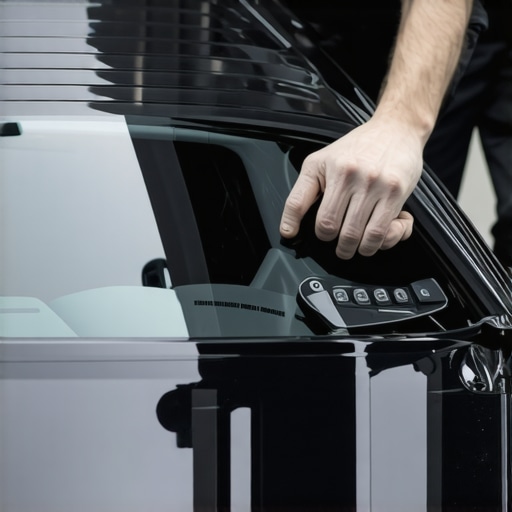
Why luxury cars need specialized glass calibration
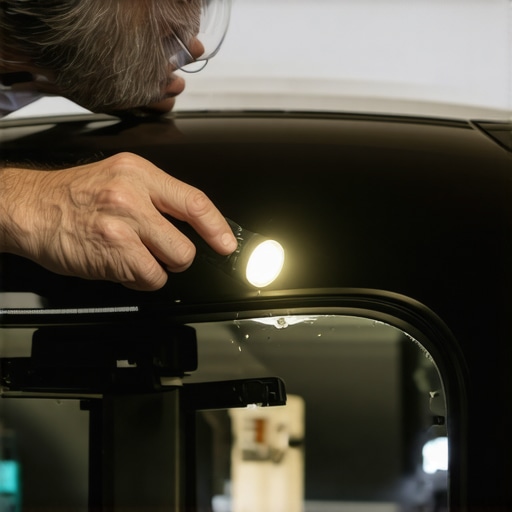
In my twenty-five years as a master glazier, I have seen every possible failure of glass and frame. I have watched as installers treated a high-performance aperture like a simple hole in a wall, ignoring the physics of the material. But nothing quite matches the scenario I encountered recently with a high-end European sedan. I pulled a windshield out of a vehicle in the shop where the previous glass installer had opted for a bargain-basement replacement. The owner complained that their lane-keep assist was twitchy, almost aggressive. When I inspected the header, I found that the urethane bead was unevenly applied, effectively changing the pitch of the glass by less than a millimeter. In the world of luxury glass calibration, that millimeter is the difference between a safe commute and a catastrophic sensor failure. The previous installer relied on the adhesive to fill gaps like a hack uses caulk on a rough opening, instead of ensuring the glass sat perfectly true to the frame geometry.
The Physics of Refractive Accuracy in Luxury Glass
When we discuss luxury vehicles, we are not just talking about leather and horsepower. We are talking about Advanced Driver Assistance Systems (ADAS). These systems rely on cameras and LiDAR sensors mounted behind the windshield. A standard piece of glass is a sandwich of two layers of annealed glass with a polyvinyl butyral (PVB) interlayer. However, in a luxury vehicle, the refractive index of that sandwich must be perfectly uniform across the entire surface. If the glass has even a microscopic wave or an inconsistent glazing bead, the light entering the camera lens is bent. This parallax error means the car’s computer thinks the lane marker is six inches to the left of its actual position. This is why a mobile service must be more than just a guy with a suction cup and a tube of glue; it requires a technician who understands that the windshield is now an optical component, not just a wind block.
“Installation is just as critical as the window performance itself. A high-performance window installed poorly will fail.” AAMA Installation Masters Guide
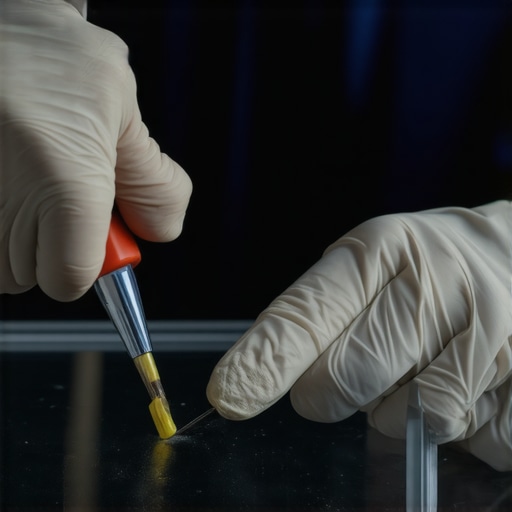
Consider the thermal stress on these sensors. In a southern climate where the solar heat gain (SHGC) can turn a dashboard into an oven, the glass acts as a thermal shield. Luxury glass often utilizes specialized Low-E coatings on Surface #2 to reflect infrared radiation back into the atmosphere. If a replacement glass lacks this specific coating, the internal temperature of the camera housing can exceed its operating parameters, leading to sensor drift. When we perform a chip repair, we are not just filling a hole; we are restoring the structural and optical integrity of a lens. If that chip is in the ‘critical area’—the field of vision for the ADAS camera—a simple resin fill may not be enough. The light refraction through the repaired chip could still trigger a system error.
Why Calibration Cannot Be Skipped During Same-Day Service
The industry is flooded with ‘tin man’ promises of same-day service that ignores the technical reality of modern fenestration. When a new windshield is set, the urethane must cure to a specific shore hardness before the vehicle can be safely operated, and more importantly, before it can be calibrated. Static calibration involves setting up target boards at precise distances and heights, essentially mimicking the ‘rough opening’ alignment we use in architectural glazing. We use digital levels to ensure the car is on a perfectly flat plane because even a slight tilt of the floor would invalidate the sensor’s horizon. This is the ‘Glass Class’ of automotive work: understanding that the sash of a car—the movable and fixed window components—must be harmonized with the electronics.
“The integration of fenestration products into the building envelope or vehicle frame requires precise adherence to manufacturer specifications to ensure both structural and thermal performance.” ASTM E2112 Standard Practice
In colder northern climates, the challenges shift. The enemy here is heat loss and the dew point. If the glass is not seated correctly against the pinchweld, or if the flashing tape equivalent—the perimeter molding—is compromised, moisture can enter the camera housing. This leads to internal condensation, which is a nightmare for luxury car owners. I have seen sensors short out because a weep hole in the cowl was blocked, or because the installer didn’t understand the shingle principle of water shedding. They ‘caulked and walked,’ leaving the owner with a four-figure repair bill for a fried camera module three months later.
The Myth of the Cheap Replacement
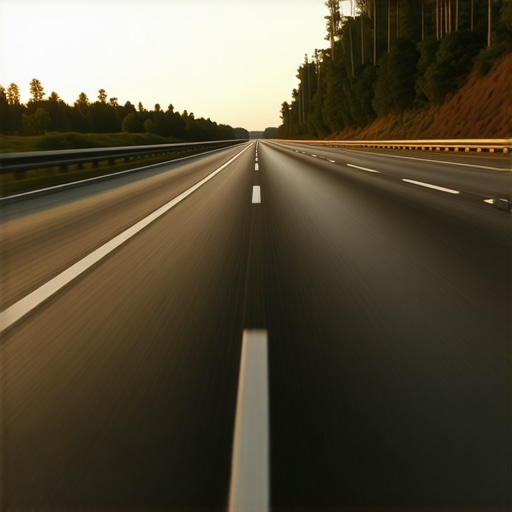
Many homeowners and car owners are led to believe that glass is glass. This is the same logic that leads people to install cheap vinyl windows that expand and contract so much they pop their glazing bead in the first summer. In a luxury car, the glass must be as stable as a fiberglass frame in a high-rise. We don’t use shims in automotive glass, but we do use precision spacers to ensure the glass height is consistent. If the glass sits too low, the camera’s angle of attack is changed. If it sits too high, the wind noise—that annoying whistle—is the least of your problems; the real issue is the aero-pressure on the glass at highway speeds affecting the sensor’s focal length. When you hire a mobile service, you must ensure they are performing either a static or dynamic calibration post-install. Dynamic calibration involves driving the vehicle at a set speed on well-marked roads so the system can ‘learn’ its new perspective through the glass. It is a meticulous process that rejects the ‘near enough is good enough’ attitude of the past. To maintain the safety standards of a luxury vehicle, every variable from the U-factor of the glass to the curing time of the adhesive must be managed with the precision of a master glazier.