How to check if your mobile glass tech used a primer
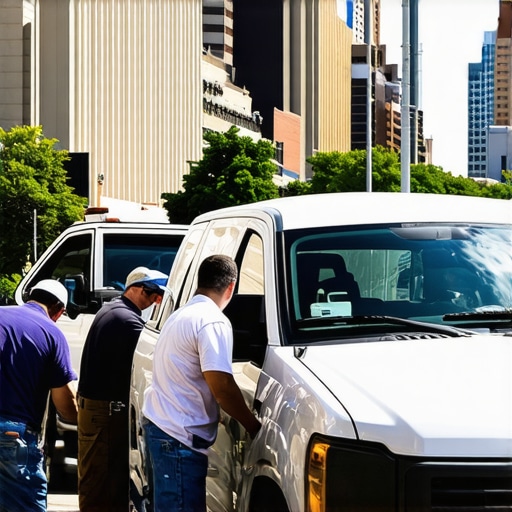
I pulled a windshield out of a late-model truck in Houston last summer and the pinchweld was a graveyard of orange flakes and bubbling rust. Why? The previous installer had rushed the job using a mobile service and relied on a cold knife to cut the old bead. They scratched the paint down to the raw metal and did not apply a single drop of primer. This is the hallmark of a caulk and walk installer. In the glass world, primer is not a suggestion. It is the chemical bridge between the vehicle and the glass. When you opt for a same-day mobile service, you are often trading a controlled environment for convenience. If that glass installer skips the black-out primer, your windshield is no longer a structural safety component. It is a heavy projectile waiting for a reason to leave the frame. A window is not just a piece of glass. It is an integrated system designed to manage energy, moisture, and structural load. Whether you are looking at a Rough Opening in a new build or the pinchweld of a sedan, the physics of adhesion remain identical. You need a clean surface, a chemical bond, and the correct atmospheric conditions for the material to set.
“Installation is just as critical as the window performance itself. A high-performance window installed poorly will fail.” – AAMA Installation Masters Guide
The Molecular Science of Glass Adhesion
To understand why primer matters, we must engage in some glazing zooming. Most people see a mobile service tech apply a black liquid and assume it is just paint. It is actually an adhesion promoter containing isocyanates and carbon black. This liquid performs two critical roles. First, it protects the urethane from ultraviolet radiation. UV rays are the natural enemy of polymers. Second, it creates a molecular bond with the ceramic frit of the glass. The frit is that black dotted pattern you see around the edges of the glass. In a South or Hot climate, like Texas or Florida, the Solar Heat Gain Coefficient (SHGC) becomes a major factor. The sun beats down on that glass, raising the temperature of the bond line to over 150 degrees Fahrenheit. Without a high-quality primer to block that radiation and secure the bond, the urethane will eventually lose its elasticity and pull away from the metal. This leads to the whistling sound of a wind leak or the catastrophic failure of the glass during an airbag deployment. While a residential window uses a Glazing Bead or a Sash to mechanically hold glass in place, modern auto glass relies entirely on the chemical strength of that urethane bead. If the tech skips the primer, you are essentially relying on friction and hope.
The Anatomy of a Mobile Glass Installation
When you call for a chip repair or a full replacement, the technician is working in an uncontrolled environment. In my 25 years as a master glazier, I have seen every shortcut in the book. A true pro will treat the metal frame like a Sill Pan in a high-end window installation. It must be pristine. If the tech is using a mobile service van, they should have a dedicated kit for cleaning and priming. Look for the small wool daubers. If you do not see them using a dauber to apply a black liquid to the metal frame where they just cut the old glass out, they are skipping the most important step. They might claim the urethane is a primer-less variety. Do not believe them. Industry standards like the AGRSS (Auto Glass Replacement Safety Standard) are clear about the necessity of protecting scratched metal. Even a Muntin in a decorative window needs proper finishing to prevent rot, and your vehicle frame is no different. Rust is an electrochemical process. Once it starts under the glass, it is nearly impossible to stop without a full tear-out and grinding session. If you see them Shim the glass to get it centered without checking the bond surface, you are watching a failure in progress.
“The technician shall apply primer to all scratches on the pinchweld to prevent corrosion and ensure proper adhesion of the urethane.” – ANSI/AGSC/AGRSS 003-2015
Visual Cues for the Homeowner
How do you check after the tech has left? Look at the edges of the glass from the outside. You should see a consistent, solid black line where the glass meets the metal. If you see gaps, or if you can see the shiny paint of the vehicle frame through the glass, they did not prime the glass or the metal correctly. This is similar to checking if a residential window has a Weep Hole that is actually clear. If the drainage or the bond is blocked, the system fails. Another test is the water test. Once the urethane has reached its initial tack-free time, usually an hour for same-day service, run a low-pressure hose around the perimeter. If you see even a single drop of water on the interior dash, the seal is broken. In a South/Hot climate, we worry about the radiant heat. If the glass feels excessively hot to the touch and you smell a strong chemical odor inside the cabin, the VOCs (Volatile Organic Compounds) are off-gassing because the primer was not allowed to flash off properly before the glass was set. A Sash that is Operable in a house needs to move freely, but a windshield must be static. Any movement or clicking sound when you hit a bump is a sign that the bond has failed. This often happens because the mobile tech did not use Flashing Tape or its equivalent in the auto world to hold the glass while it cured.
The Math of Safety
The ROI on a proper glass installation is measured in lives, not just dollars. In a rollover accident, the windshield provides up to 60 percent of the structural integrity of the roof. If the tech skipped the primer, the roof can collapse. When we talk about Rough Opening tolerances in a house, we are talking about keeping the 100-year storm out. In a vehicle, we are talking about g-forces. The same-day service model puts pressure on techs to move fast. They want to get to the next chip repair. But a chip repair that is not cleaned with a vacuum and then primed with resin is just a cosmetic fix. It does not restore the structural integrity of the glass. Always ask for the technical data sheet of the urethane they use. If it requires a specific primer and they do not have it on the truck, do not let them touch your car. This is the difference between a master glazier and a guy with a suction cup and a van. Water management and chemical adhesion are sciences, not opinions. Do not accept a caulk and walk job when your safety is on the line.”