Why cheap resin makes your windshield chip look worse
The Microscopic Reality of Optical Clarity
Most vehicle owners view their windshield as a static sheet of transparent material, but as a master glazier with a quarter-century in the trade, I see it as a complex laminated assembly. A windshield is a structural sandwich of two layers of annealed glass bonded by a Polyvinyl Butyral (PVB) interlayer. When a stone strikes that surface, it creates a rough opening in the outer lite. The failure of most low-cost mobile service providers lies in their misunderstanding of the physics of light and the chemistry of resins. They approach a chip repair like a simple hole to be plugged, but in the world of high-end glass, we know that every void has a refractive index that must be matched precisely to the surrounding substrate.
The Condensation Crisis: A Narrative of Failure
A homeowner recently called me in a panic because their new windshield repair was ‘sweating.’ I walked out to the driveway with my hygrometer and showed them that the internal humidity of the glass laminate was nearly 60 percent. It was not a failure of the glass itself; it was their lifestyle and the previous installer’s haste. They had used a cheap, high-acid resin during a humid morning mobile service call. The technician did not use a vacuum-pressure cycle to evacuate the moisture from the break before injecting the resin. He essentially sealed a microscopic puddle of water inside the glass. As the temperature dropped that evening, the moisture condensed, turning the repair into a milky, opaque blemish that looked significantly worse than the original stone chip. This is the ‘caulk-and-walk’ mentality that plagues the industry. True glass repair requires managing the dew point within the fracture itself.
“Installation is just as critical as the window performance itself. A high-performance window installed poorly will fail.” – AAMA Installation Masters Guide
The Physics of Refractive Index Mismatch
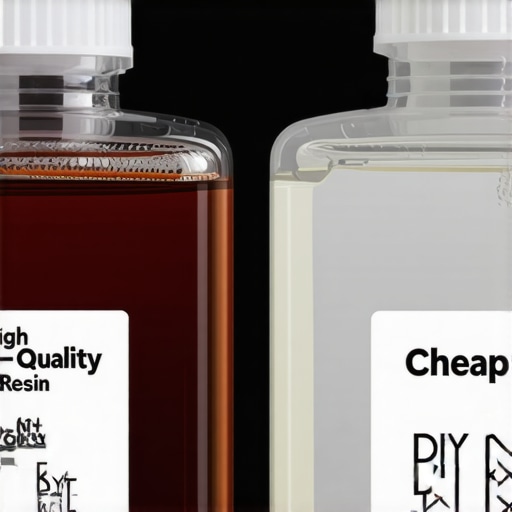
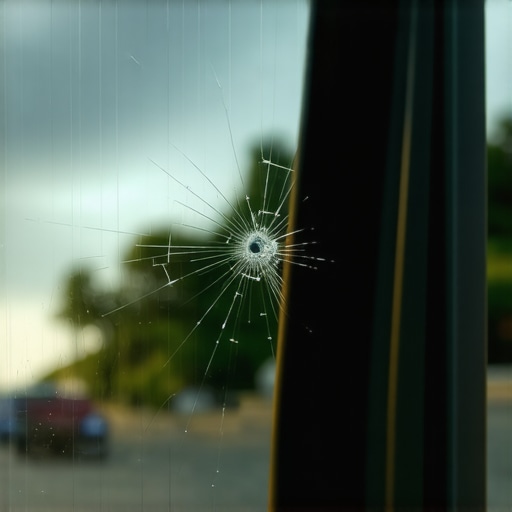
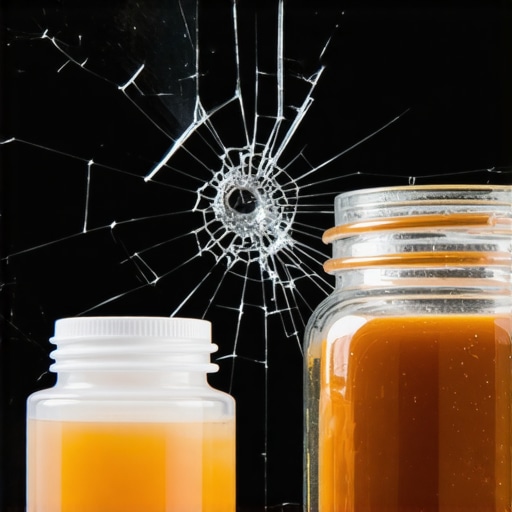
When you look at a windshield chip, you are seeing the air trapped inside the fracture. Air has a refractive index of 1.00, while automotive glass sits at approximately 1.52. This massive delta causes light to bend and reflect, making the crack visible to the human eye. The goal of a professional glass installer is to replace that air with a resin that matches the 1.52 index of the glass. Cheap resins, often found in ‘same-day’ discount kits, typically have a refractive index of 1.46 or 1.48. While this sounds close, it is an optical disaster. That 0.04 difference creates a ‘ghost’ or a shimmer that catches the sun, creating a dangerous glare for the driver. When we talk about same-day chip repair, we must prioritize the chemical compatibility of the monomer over the speed of the cure.
Thermal Stress and the Northern Climate
In cold environments like Chicago or Minneapolis, the thermal logic of a glass repair becomes the primary concern. Heat loss and condensation are the enemies of a stable windshield. In these regions, the U-Factor of the repair material is vital. While we don’t measure a small chip repair by its total U-Value, we must consider the thermal expansion coefficient. Glass is relatively stable, but cheap resins are essentially plastic. In a sub-zero January morning, the glass and the cheap resin will contract at different rates. If the resin is too rigid and lacks the proper modulus of elasticity, it will pull away from the ‘rough opening’ of the crack, creating new delamination. I have seen thousands of repairs that looked ‘fine’ in July but turned into full-blown cracks by December because the resin could not handle the thermal bridge of the glass. Professional-grade resins are engineered to mimic the expansion and contraction of the glass, ensuring the repair remains operable and structurally sound through 100-degree temperature swings.
“The integrity of the fenestration system depends on the continuity of the air and water barrier at the rough opening.” – ASTM E2112 Standard Practice
The Installation Autopsy: Why Cheap Resins Yellow
If you have ever seen a windshield repair that looks like an old piece of scotch tape, you are looking at the aftermath of a low-quality photo-initiator. All repair resins are UV-cured, meaning they contain chemicals that react to specific wavelengths of light to harden. Cheap resins use inexpensive monomers that are highly susceptible to solar degradation. Over six months of exposure to direct sunlight, these resins undergo a chemical shift called ‘yellowing.’ The resin breaks down, loses its bond to the glazing bead of the fracture, and becomes brittle. A professional glass installer uses high-viscosity resins with advanced UV stabilizers that remain crystal clear for the life of the vehicle. We treat the repair like a permanent architectural feature, not a temporary patch.
The Flashing System of a Glass Repair
In window installation, we talk about the ‘shingle principle’ where water must always flow down and out. We use sill pans and flashing tape to ensure that even if water gets past the primary seal, it has a path to escape through a weep hole. A windshield repair follows a similar logic. The ‘pit resin’ is the outermost layer of the repair, acting as the primary seal or the drip cap of the system. If this resin is cheap, it will shrink during the curing process. This shrinkage creates a microscopic gap around the edges of the repair. Water, driven by wind pressure at sixty miles per hour, is forced into these gaps. Once moisture reaches the PVB interlayer, it causes ‘blooming,’ a permanent white haze that cannot be repaired. A master glazier ensures that the pit resin is perfectly leveled with a shim and cured under a specialized film to prevent oxygen inhibition, ensuring a hermetic seal that no mobile service amateur can replicate.
Structural Integrity and the NFRC Standards
While the NFRC (National Fenestration Rating Council) focuses on residential and commercial windows, their logic regarding structural load and energy performance applies to the automotive sector. A windshield is a structural component that supports the roof during a rollover and provides the backstop for the passenger-side airbag. A chip is a point of structural failure. Using a cheap resin is the equivalent of using a wood shim to support a thousand-pound header. It might hold for a moment, but it lacks the compressive strength required for long-term safety. When we perform a chip repair, we are restoring the tension across the glass surface. This requires a resin with high tensile strength that can bond to the microscopic ‘muntins’ of the shattered glass fibers inside the break. A same-day service that rushes this bonding process is effectively leaving the window’s structural integrity to chance.
Final Verdict: The Installer Matters More Than the Sticker
Ultimately, the quality of a windshield repair is a product of the installer’s precision and the chemical purity of the materials. You can buy a high-performance window, but if it is installed poorly, it is worthless. The same applies to glass repair. Don’t be fooled by the convenience of a mobile service that promises a twenty-minute fix for thirty dollars. They are using the ‘tin man’ approach of high-volume, low-quality work. Instead, look for a specialist who understands the glazing bead, the rough opening, and the thermal physics of the glass. Your visibility and your safety depend on the invisible science of a high-quality resin bond.