Why we refuse to repair glass chips larger than a quarter
The Anatomy of a Fracture: Why Your Window Integrity is Non-Negotiable
In my twenty-five years as a master glazier, I have seen every imaginable glass failure. I have stood before towering curtain walls and knelt beside century-old wood sashes. One question persists from homeowners and property managers alike: Can you just fill this chip? When the chip exceeds the size of a standard quarter, my answer is a firm and non-negotiable no. This is not a matter of upselling; it is a matter of molecular physics, structural liability, and the inherent behavior of an amorphous solid under thermal stress. To understand why a mobile service offering same-day chip repair on a large fracture is often selling a temporary band-aid for a catastrophic wound, we must look at the glass through the eyes of a specialist.
“Installation is just as critical as the window performance itself. A high-performance window installed poorly will fail.” – AAMA Installation Masters Guide
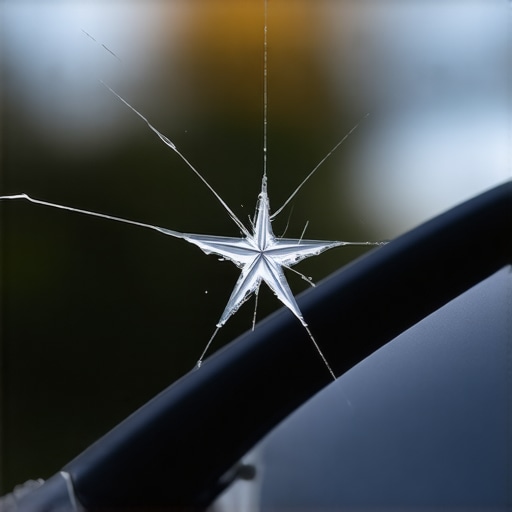
A homeowner called me last February in a panic because their master bedroom window was ‘sweating’ and vibrating in the wind. I walked in with my hygrometer and a thermal imaging camera. The humidity was hovering at 62 percent inside, but the real culprit was a supposedly repaired chip near the glazing bead. The previous glass installer had injected resin into a star-shaped crack that was nearly two inches wide. I showed the homeowner how the seal had already failed; the inert gas had leaked out, and the thermal bridge was now pulling freezing air directly onto the interior pane. It was not just a window issue; it was a physics failure that the previous installer ignored. The moisture they saw was the first sign of a total system collapse.
The Science of the Quarter-Inch Threshold
Why is a quarter the cut-off? It comes down to the critical crack length. In the world of glass science, we analyze the fracture toughness of the material. Glass is incredibly strong in compression but notoriously weak in tension. When an object impacts a window, it creates a pit surrounded by microscopic radiating fractures. If these fractures stay within a diameter smaller than a quarter, a high-viscosity resin can sometimes stabilize the area by displacing the air and bonding the jagged edges. However, once the damage exceeds that size, the surface tension of the glass is permanently compromised. The sash can no longer provide the necessary counter-pressure to keep the glass stable during high-wind events or rapid temperature fluctuations.
When we talk about a chip repair, we are talking about chemistry. Most resins used by a mobile service have a different coefficient of thermal expansion than the silica glass itself. In a climate where the temperature swings from forty degrees at night to eighty degrees in the direct afternoon sun, the resin and the glass expand at different rates. This creates localized stress. If the repair is too large, this stress acts like a wedge, slowly driving those microscopic cracks deeper into the core of the glass. Eventually, the glass reaches its breaking point, and what was once a small chip becomes a full-length crack that could have been avoided with a proper replacement.
Thermal Stress and the Northern Climate Reality
In colder regions, the enemy of glass is the U-Factor and the dreaded dew point. In a double-pane or triple-pane unit, the space between the glass is filled with Argon or occasionally other gases to provide thermal resistance. This gas is held in place by a primary and secondary seal. When a chip occurs, it does not just stay on the surface. The impact energy sends a shockwave through the pane, often micro-fracturing the seal near the shim points. If we attempt a same-day repair on a large chip in the middle of winter, we are fighting a losing battle against physics. The U-Factor, which measures the rate of heat loss, is instantly degraded at the site of the repair. Lower U-Factors are king in the north, and a resin-filled hole is a thermal highway for heat to escape your home.
“Glazing systems must be designed to accommodate the movements of the building and the thermal expansion of the glass itself to prevent premature breakage.” – ASTM E2112 Standard Practice
Furthermore, condensation thrives on these repair sites. Because the resin does not insulate as well as the surrounding glass, that spot becomes the coldest point on the window. Interior humidity hits that cold spot and turns into liquid water. This water then sits against the glazing bead and can eventually migrate into the rough opening. This is how a simple chip leads to rotted headers and moldy insulation. A professional glass installer knows that a window is a hole in your wall that is actively trying to let the outside in; every repair must be viewed as a barrier against that intrusion.
The Myth of the Quick Fix: Why Replacement is the Only Glazier-Approved Solution
The high-pressure mobile service industry thrives on the idea that every piece of glass can be saved. But let’s look at the mechanical components. An operable window, such as a casement or a double-hung, undergoes significant physical stress every time it is opened or closed. The act of sliding a sash or cranking an arm puts torque on the glass. A large-scale repair cannot withstand this repeated mechanical load. Over time, the constant vibration from the street or the simple act of locking the window will cause the resin to delaminate from the glass walls.
We also have to consider the weep hole system. In many modern window frames, water is designed to enter the frame and be channeled back out. If a glass installer performs a subpar repair on a large chip near the bottom of the pane, they risk obstructing the internal drainage pathways or creating new paths for water to enter the sill pan. We refuse these repairs because our name is attached to the long-term performance of your home. A quarter-sized chip is the boundary where a repair stops being a service and starts being a liability. We advocate for a full-frame or pocket replacement when integrity is at stake because we understand that your windows are the primary defense for your building envelope.
Decoding the NFRC Labels After Damage
When you look at a window, you see a clear view. When I look at a window, I see a series of performance metrics. The NFRC label tells me the Solar Heat Gain Coefficient (SHGC) and the Visible Transmittance. A large chip repair disrupts these values. The resin is not as clear as the glass; it diffuses light and absorbs more radiant heat. This creates a hot spot on the glass. In a high-performance home, this can actually lead to thermal cracking elsewhere on the pane. The sun hits the dark, resin-filled spot, that area expands rapidly, while the edges of the glass held by the muntin or frame stay cold. The resulting tension is what shatters windows in the middle of a quiet afternoon.
Ultimately, the decision to replace rather than repair is about safety. In an emergency, such as a fire, windows are often used as egress points. A compromised pane of glass is unpredictable. It may not break when you need it to, or it may shatter into dangerous shards because the tempering was compromised by the original impact. We don’t just install glass; we manage the safety of your environment. If you have a chip larger than a quarter, skip the same-day patch and consult a professional who understands that the only way to fix a hole in your defense is to restore it to its original, uncompromised state. Don’t let a small savings today lead to a structural failure tomorrow.