Why a cold morning makes your windshield chip spread instantly
The Anatomy of a Cold Morning Fracture
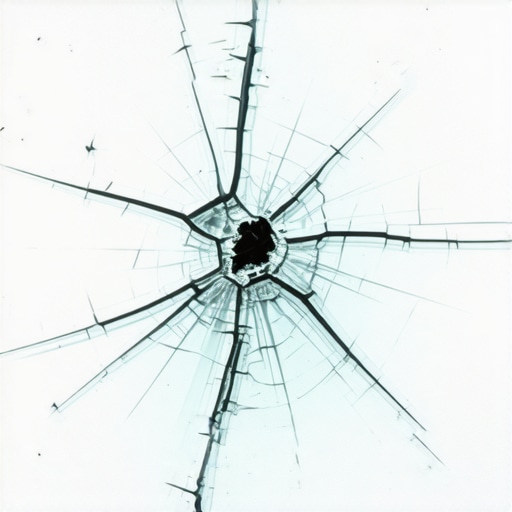
You wake up to a heavy frost, the kind that turns your driveway into a sheet of glass and makes your breath hang in the air like a fog. You start your car, crank the defroster to maximum, and suddenly you hear it: a sharp, metallic pop. That tiny, insignificant stone chip you ignored for three weeks has just transformed into a two-foot jagged scar across your laminate. As a master glazier with a quarter-century in the trade, I can tell you this is not bad luck; it is predictable physics. Glass is an amorphous solid, a material that manages to be both incredibly strong and frustratingly brittle. When you introduce a thermal gradient across a compromised surface, you are playing a high-stakes game with the coefficient of thermal expansion.
A homeowner called me in a panic because their new windows were ‘sweating.’ I walked in with my hygrometer and showed them the humidity was 60%. It wasn’t the windows; it was their lifestyle. I mention this because people often blame the material when they should be looking at the physics of the environment. Just as excessive interior humidity causes condensation and eventual rot in a poorly ventilated rough opening, the extreme temperature differential on a cold morning creates a localized stress concentration that your windshield simply cannot absorb once the structural integrity of the outer ply has been breached.
The Physics of Thermal Shock and Molecular Vibration
To understand why this happens, we have to look at the glazing zooming level of the material itself. Automotive glass is not a single layer; it is a sandwich consisting of two layers of soda-lime glass bonded together by a polyvinyl butyral (PVB) interlayer. This construction is designed for safety, but it creates a complex environment for thermal management. On a cold morning, the exterior layer of glass is subjected to sub-freezing temperatures, causing the molecules to contract and pull inward. When you activate your heater, the interior layer begins to expand rapidly. The PVB interlayer acts as a thermal break, but it also traps the stress between the two plies.
“Installation is just as critical as the window performance itself. A high-performance window installed poorly will fail.” – AAMA Installation Masters Guide
In the world of professional glazing, we talk about the U-factor, which is the rate at which a window, door, or skylight conducts non-solar heat flow. In cold climates like Chicago or Minneapolis, a low U-factor is essential for retaining heat. However, your windshield is designed for visibility and impact resistance first. When the exterior temperature is 10 degrees and your defroster is pumping out 100-degree air, the delta T (the difference in temperature) is massive. This creates a bending stress. The glass wants to bow. If the glass was perfectly intact, it might survive. But a chip is a point of infinite stress concentration. The microscopic cracks at the bottom of that chip are pulled apart by the expanding glass, and the crack propagates at the speed of sound until the stress is relieved.
The Role of the Glazing System and Structural Integrity
Every window, whether in a high-rise or a sedan, sits within a rough opening. In a car, this opening is a rigid steel frame. The glass is held in place by a high-modulus urethane glazing bead. This seal is not just to keep the rain out; it is a structural component. Unlike a residential sash that might allow for some movement with a flexible shim, the automotive glass is a stressed member of the vehicle’s body. When the frame contracts in the cold, it puts further pressure on the edges of the glass. If your glass installer used a low-quality, ‘caulk-and-walk’ approach with cheap adhesive or failed to prep the pinch-weld, the stress distribution becomes uneven, making a crack even more likely. Proper water management via the equivalent of a sill pan or weep hole system in the cowl is also critical; if water gets into the chip and freezes, it expands by 9%, acting as a wedge that forces the glass apart from the inside out.
“Standard Practice for Installation of Exterior Windows, Doors and Skylights requires meticulous attention to the flashing and the structural support of the glazing unit to prevent premature failure under environmental stress.” – ASTM E2112
Why Mobile Service and Same-Day Repair are Non-Negotiable
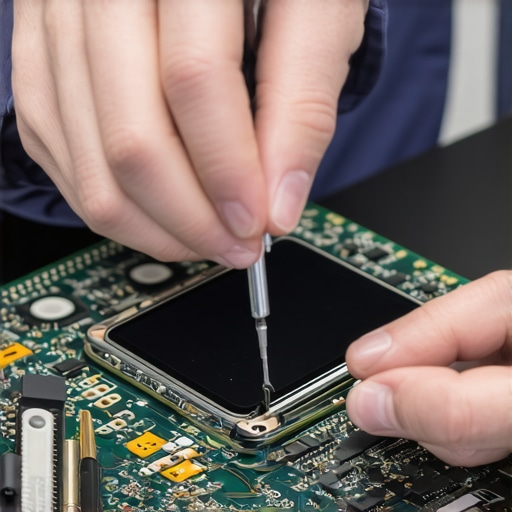
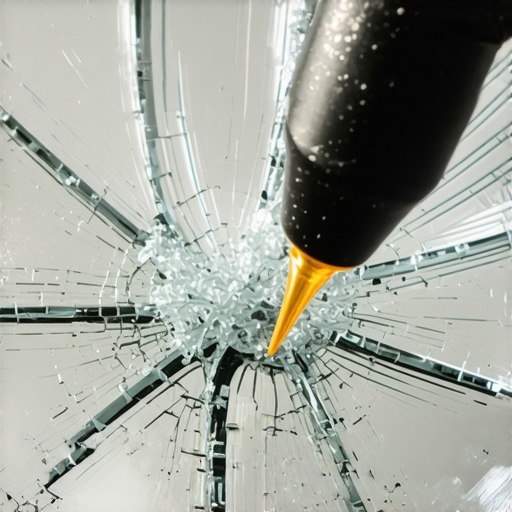
The solution to this thermal nightmare is a same-day chip repair. Waiting for the ‘perfect’ weather is a fool’s errand. A professional glass installer can use a vacuum-pressure tool to extract the air and moisture from the chip and inject a clear, UV-curable resin that has a similar refractive index and coefficient of thermal expansion as the glass itself. This restores the structural integrity of the outer ply and prevents the thermal expansion from finding a weak point. If you wait until the crack has spread, you are no longer looking at a simple repair; you are looking at a full-frame tear-out. This involves removing the old urethane, treating any corrosion in the rough opening, and ensuring the new glazing bead is applied with factory precision. Mobile service is particularly effective here because it allows the repair to be done before you subject the glass to the stress of a highway commute where wind pressure adds a third layer of force to the already stressed material.
The Technical Reality of Modern Glazing
We often hear about the NFRC (National Fenestration Rating Council) and their ratings for U-factor and SHGC (Solar Heat Gain Coefficient). While these are usually applied to residential windows, the logic remains. In cold climates, we want to maximize our heat retention, but we must do so through controlled means. Blasting a frozen windshield with hot air is the opposite of controlled. It is a thermal shock. For those in the North, the enemy is always heat loss and the resulting condensation that can lead to rot in wood frames or ice expansion in glass chips. By maintaining the integrity of the glass through professional chip repair, you are ensuring that the U-factor of your glazing system remains consistent and that the safety of the laminated sandwich is not compromised. Do not trust your safety to a high-pressure salesman or a cut-rate installer who doesn’t understand the shingle principle or the importance of a clean rough opening. Demand an expert who knows that a window is a complex thermal barrier, not just a piece of clear material in a hole in the wall. “, “image”: {“imagePrompt”: “A close-up macro photograph of a frosted car windshield on a freezing morning, showing a small stone chip with a single long crack beginning to spread across the ice-covered glass surface, soft morning light reflecting off the crystalline frost.”, “imageTitle”: “Thermal Stress on Frosted Glass”, “imageAlt”: “A cracked windshield on a cold morning showing thermal expansion damage”}, “categoryId”: 0, “postTime”: “2024-05-22T09:00:00Z”}