How to stop a chip from turning into a spiderweb in the heat
The Thermal Trap: Why Heat is the Enemy of Glass Integrity
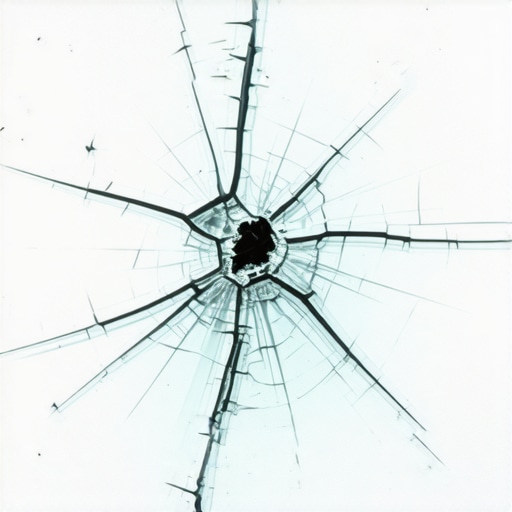
In the world of glazing, we often treat glass as a solid, immovable object. In reality, glass is a dynamic material that reacts violently to temperature fluctuations. When you have a minor chip, you are not just looking at a cosmetic blemish; you are looking at a structural failure point in a high-tension system. As a master glazier with over 25 years in the field, I have seen thousands of minor stone chips transform into catastrophic spiderweb cracks in the span of a single afternoon. The physics are simple yet brutal: thermal expansion. When the sun beats down on a glass surface, the molecules vibrate more intensely, causing the material to expand. If that expansion is hindered by a fracture, the stress concentrates at the sharpest point of the chip, forcing the glass to split apart to relieve the pressure.
The Afternoon the Glass Screamed: A Narrative of Neglect
A homeowner called me in a panic because their new high-efficiency windows were sweating and then suddenly, one of them made a sound like a gunshot. I walked in with my hygrometer and showed them the humidity was 60 percent, but the real issue was a tiny pit in the glass I found near the glazing bead. This client had ignored a small impact mark from a lawnmower stone for three weeks. On that particular July day, the temperature hit 98 degrees with a direct solar load on the south-facing facade. The internal temperature of the glass reached nearly 140 degrees. Because the glass was held tightly within the rough opening with no room for the concentrated stress to dissipate, that tiny pit became a three-foot crack in seconds. It wasn’t the window’s fault; it was a failure to understand that a chip is a ticking time bomb in a high-heat environment.
“Installation is just as critical as the window performance itself. A high-performance window installed poorly will fail or succumb to thermal stress faster than a properly integrated unit.” – AAMA Installation Masters Guide
The Science of the Spiderweb: Thermal Stress and SHGC
To understand why same-day repair is vital, we have to look at the Solar Heat Gain Coefficient (SHGC). In hotter climates, such as the South or Southwest, we specifically use Low-E coatings on Surface #2 of the glass to reflect solar radiation before it can pass through the pane. However, this means Surface #1, the exterior face, absorbs a significant amount of energy. When a chip exists on this surface, it creates what we call a stress riser. In the heat, the exterior face expands while the interior face remains cooler due to air conditioning. This thermal gradient creates a bending force. A mobile service professional understands that the goal of a chip repair is not just to fill a hole, but to restore the structural continuity of the glass using a resin that mimics the expansion coefficient of the glass itself.
Why Same-Day Mobile Service is Your Only Defense
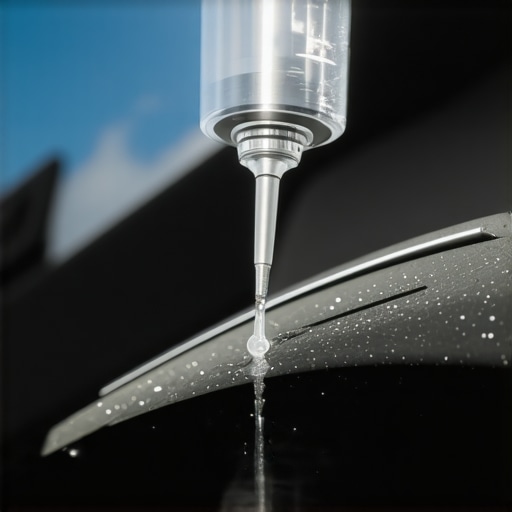
Many people think they can wait until the weekend to call a glass installer. This is a mistake. The vibration of daily life, combined with the relentless expansion and contraction of the glass during the diurnal cycle (day-to-night temperature swings), ensures that a crack will migrate. A mobile service technician is essential because it eliminates the need for you to transport a compromised piece of glass, which would further stress the fracture. When we perform a chip repair, we use a bridge tool to create a vacuum over the impact site. This removes the air that would otherwise act as a wedge when it expands in the heat. We then inject a UV-curable resin that bonds at the molecular level. This resin must be high-viscosity to penetrate the microscopic fissures known as star-breaks that radiate from the central pit.
“Glass is a brittle material that does not exhibit plastic deformation. Once a fracture starts, it will continue until it reaches an edge or the stress is relieved.” – ASTM E2112 Standard Practice
The Role of the Frame and Rough Opening
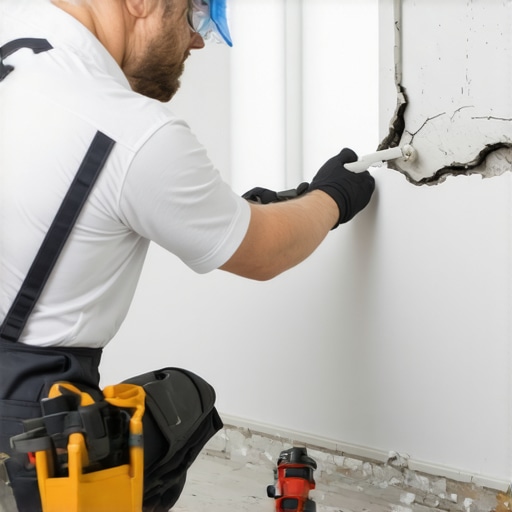
We also have to consider the rough opening. If a window is shimmed too tightly, there is no room for the frame to expand. This is common in cheap vinyl installations where the installer failed to account for the high thermal expansion rate of PVC. When the frame squeezes the glass, and the glass is trying to expand due to the heat, a chip provides the easiest path for that energy to escape. Proper glazing requires a balance: the glass must be supported by a sill pan and protected by a weep hole system to prevent water pressure, but it must also have enough clearance within the sash to breathe. A professional glass installer will check these tolerances before simply filling a chip, ensuring that the repair will actually hold under the pressure of a summer heatwave.
The Anatomy of a Professional Repair
A true professional doesn’t just squirt glue into a hole. We start by cleaning the impact point to remove any crushed glass or road oils. Then, using a specialized injector, we cycle between vacuum and pressure. This ensures the resin reaches the very end of every tiny leg of the spiderweb. We then apply a curing film and use a high-intensity UV lamp to harden the resin instantly. This process restores the refractive index of the glass so the repair is nearly invisible, but more importantly, it stabilizes the tension. Without this professional intervention, the heat will continue to work like a wedge, driving the crack further across the pane until a full replacement is the only option. Don’t be fooled by DIY kits; they lack the vacuum pressure necessary to remove the air trapped in the fracture, which is exactly what expands and causes the spiderweb to grow when the sun hits it.