How to keep your car cool to prevent glass stress cracks
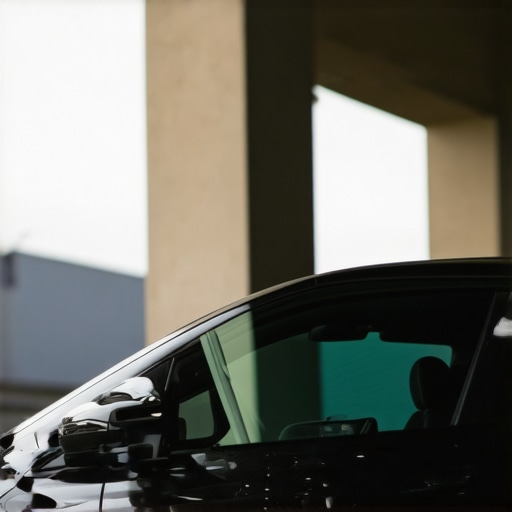
You have felt it before. You open your car door after it has been sitting in the July sun for four hours and a wave of stagnant 140 degree heat hits you in the face. To most people, this is just an inconvenience. To a master glazier, this is a high-pressure environment where physics is actively trying to destroy your windshield. We are talking about thermal stress, a phenomenon where the internal expansion of the glass exceeds its structural capacity. When that happens, you do not just get a crack; you get a structural failure of the most important safety component in your vehicle cabin.
The Anatomy of a Heat Crack: A Narrative Reality Check
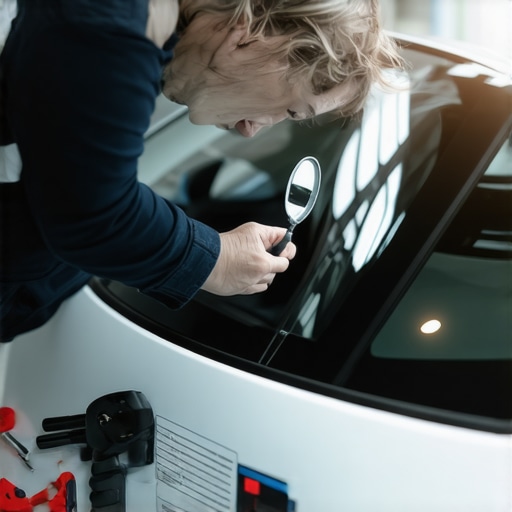
I recall a specific incident where a homeowner called me in a panic because their windshield had developed a foot-long horizontal crack while the car was sitting idle in their driveway. They were convinced it was a manufacturing defect. I arrived with my digital hygrometer and a thermal imaging camera. I showed them that the dashboard temperature was topping 165 degrees Fahrenheit, while the glass surface was significantly cooler due to a slight breeze. This extreme temperature gradient created a tension that the glass could no longer bridge. It was not a defect; it was a physics problem exacerbated by a tiny, neglected chip near the edge of the glass. This is the reality of glass management: a windshield is a structural member of your car, not just a clear view of the road.
“Installation is just as critical as the window performance itself. A high-performance window installed poorly will fail.” AAMA Installation Masters Guide
The Science of Solar Heat Gain in Automotive Glass
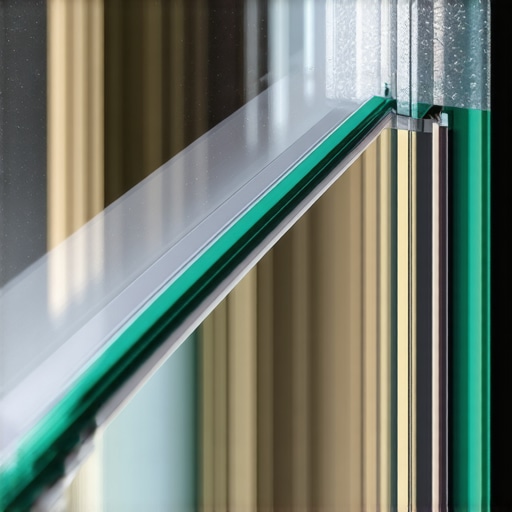
In the world of professional glazing, we focus heavily on the Solar Heat Gain Coefficient or SHGC. This is the ratio of solar radiation admitted through a window. For your car, the windshield is essentially a massive collector of infrared radiation. Unlike the windows in your home, which might have a Low-E coating on Surface #2 or #3 to reflect heat, automotive glass often relies on the PVB (Polyvinyl Butyral) interlayer to handle impact and some thermal filtering. However, when the sun beats down on the glass, the outer layer of the laminate expands at a different rate than the inner layer. If there is any imperfection in the glass installer work or a pre-existing chip, the stress concentrates at that point. This is why a same-day chip repair is not just an aesthetic fix; it is a structural necessity to prevent a full-blown stress fracture.
Why Your Car Is a Greenhouse
The glass in your vehicle is designed to be tough, but it is not invincible. The coefficient of thermal expansion dictates that as temperatures rise, the glass must grow. In a car, the glass is held in place by a high-modulus urethane bead. This urethane is the only thing allowing for the slight movement required as the car frame and the glass heat up at different rates. If you have a cheap mobile service that used low-quality adhesive or failed to prep the pinchweld properly, the glass cannot move. It becomes locked in a rigid cage. When the heat hits, the glass has nowhere to go but to crack. This is why I have a professional disdain for the caulk-and-walk installers who treat a windshield replacement like a simple gasket job. It is a complex engineering task involving thermal tolerances and chemical bonds.
Practical Steps to Mitigate Thermal Stress
To keep your car cool and protect the integrity of the glass, you must manage the temperature gradient. First, use a high-quality reflective sunshade. This prevents the dashboard from becoming a giant radiator that cooks the glass from the inside. Second, leave your windows cracked by a quarter-inch if it is safe to do so. This allows for air exchange, lowering the internal cabin temperature and reducing the pressure on the glass laminate. Third, never blast the A/C directly onto a hot windshield. The sudden shift from 150 degrees to 60 degrees causes a thermal shock that can instantly expand a microscopic chip into a major repair job.
“The integrity of the building envelope, or in this case the vehicle cabin, depends on the management of environmental stressors including thermal cycles.” ASTM E2112 Standard Practice Reference
The Importance of Professional Intervention
If you spot a chip, do not wait. The heat will find that weak point. A professional glass installer can perform a vacuum-pressure resin injection that restores the structural integrity of the laminate. This same-day service is the difference between a fifty-dollar fix and a five-hundred-dollar replacement. When looking for a mobile service, ask about their urethane cure times and their process for cleaning the rough opening of the frame. A real pro knows that moisture and heat are the enemies of a good bond. We use weep hole logic even in automotive applications to ensure that moisture does not sit against the seal, leading to rust and eventual glass failure. Do not buy into the hype of DIY kits; buy into the numbers and the technical expertise of a master glazier.