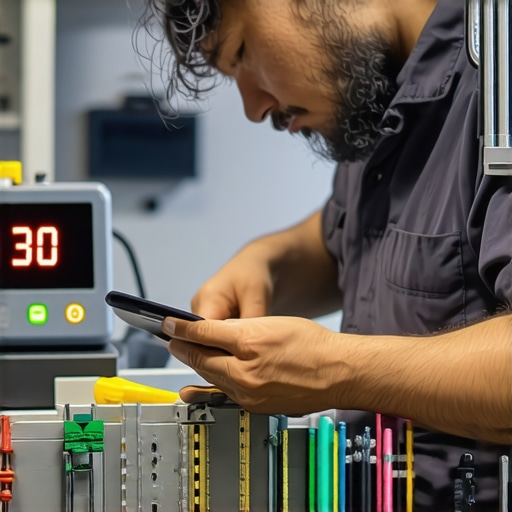
Why your mobile repair shouldn’t take more than 30 minutes
Precision Over Haste: The Reality of Glass Repair
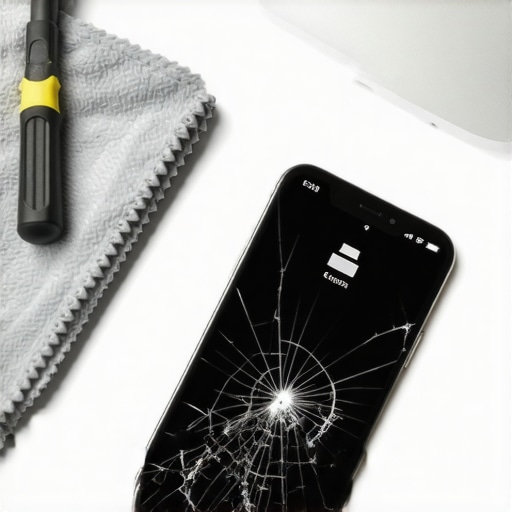
In my 25 years as a master glazier, I have seen every shortcut in the book. I have watched the caulk-and-walk installers try to mask structural failures with a bead of silicone, and I have seen homeowners wait for hours for a simple chip repair that should have been finished before their coffee got cold. When we talk about a mobile service for glass, the 30-minute benchmark is not a target for rushing; it is a limit dictated by the chemical properties of modern resins and the physics of glass tension. If your glass installer is taking two hours to fix a single stone chip, they are either stalling or they do not understand the tools in their hands.
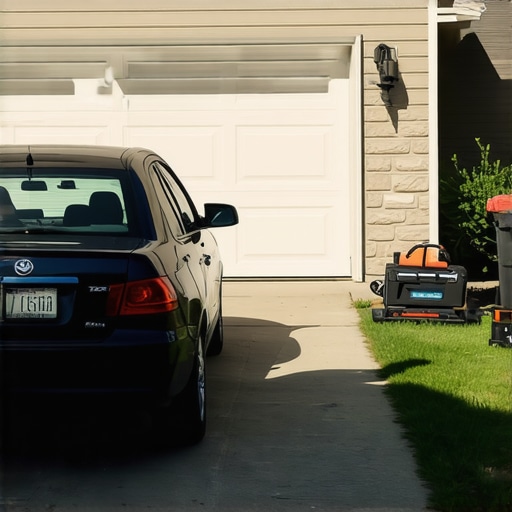
A homeowner called me in a panic because their new windows were ‘sweating’ and they thought the glass was failing. I walked in with my hygrometer and showed them the humidity was 60 percent. It wasn’t the windows; it was their lifestyle and a lack of proper ventilation. This taught me that the glass itself is rarely the only factor in a failure; the environment and the installation process are the true culprits. When a mobile unit arrives at your driveway for a chip repair, we are managing a microscopic environment within the break of the glass. We aren’t just filling a hole; we are restoring structural integrity by displacing air with a high-viscosity resin that matches the refractive index of the surrounding silica.
“Installation is just as critical as the window performance itself. A high-performance window installed poorly will fail.” AAMA Installation Masters Guide
The Anatomy of a 30-Minute Mobile Service
To understand why the process is so efficient, you have to look at the ‘Rough Opening’ of the damage itself. Whether it is an operable sash in a residential home or a laminated windshield, a chip is a disruption of surface tension. The first ten minutes of any professional same-day service are dedicated to stabilization. We use a bridge and injector tool to create a vacuum over the impact point. This is critical because any trapped oxygen or moisture will prevent the resin from bonding at a molecular level. If the installer skips the vacuum phase, the repair will eventually yellow or delaminate when the temperature hits the Dew Point.
The next ten minutes involve the injection of the resin. This isn’t hardware store glue. We use anaerobic resins that remain liquid until they are exposed to specific wavelengths of ultraviolet light. Because these resins have a lower surface tension than water, they ‘wick’ into the micro-fissures of a star break or a bullseye. During this phase, we are essentially re-fusing the glass. The final ten minutes are for the UV cure and the scraping of the excess material with a fresh razor blade to ensure the glazing bead or wiper blades can pass over the surface without resistance.
Why Climate Dictates the Repair Strategy
In colder northern climates, we have to worry about the glass being too brittle. If I try to inject resin into a cold pane, the thermal shock of the repair tool can cause the chip to ‘run’ and turn into a full crack. We have to gently warm the glass to a stable temperature to ensure the resin flows correctly. In these regions, U-Factor is the king of metrics, but during a repair, we are more concerned with the coefficient of thermal expansion. Glass expands and contracts at a different rate than the resin, which is why the quality of the chemical bond is the only thing preventing a failure when the temperature drops to sub-zero.
“Standard Practice for Installation of Exterior Windows, Doors and Skylights requires that the water-resistive barrier be properly integrated with the fenestration unit to prevent moisture intrusion.” ASTM E2112
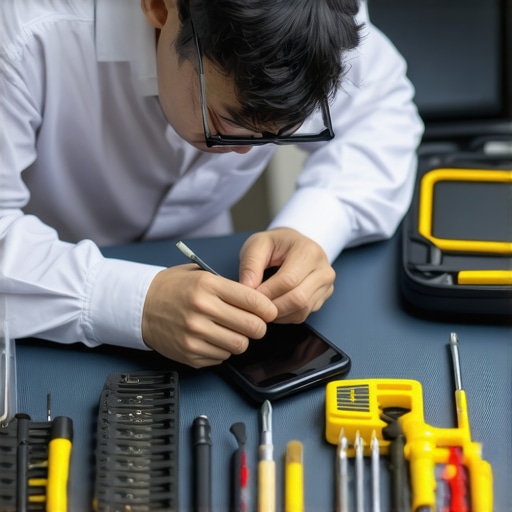
When you hire a glass installer for a same-day fix, you are paying for the technical knowledge of how that resin will behave under pressure. We look at the ‘Muntin’ layout and the frame stability before we even touch the glass. If the frame is twisted, the stress on the glass will make a repair impossible. We also check the ‘Weep Hole’ in the frame to ensure that any moisture that gets behind the glazing is properly drained. A chip repair is a surgical procedure for your home or vehicle. It requires a clean environment, the right chemistry, and an installer who understands that speed is a byproduct of mastery, not a goal in itself. If your repair takes 30 minutes, it means the technician knew exactly where the stress points were and how to neutralize them before the glass had a chance to react.
Finally, we must address the myth of the DIY kit. Those kits lack the vacuum pressure needed to clear the ‘Rough Opening’ of the chip. Without a vacuum, you are simply trapping air under a layer of plastic, which creates a lens that can actually focus sunlight and cause the glass to crack further due to localized Solar Heat Gain. A professional mobile service is the only way to ensure the repair is permanent. We don’t just patch; we restore the optics and the safety of the glass, ensuring that your view remains clear and your structure remains sound.