Why your car sensors fail after a rainy glass install
The Invisible Failure of Modern Glazing
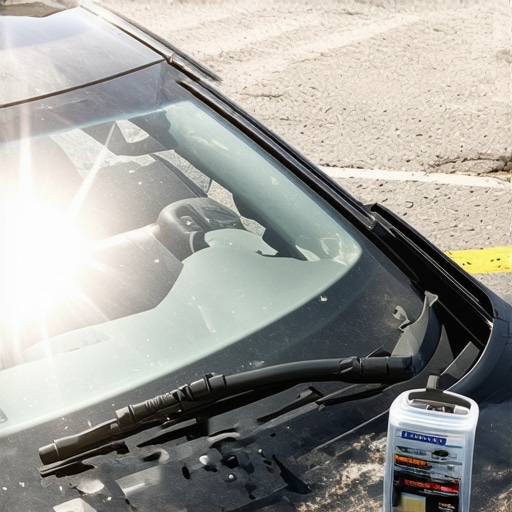
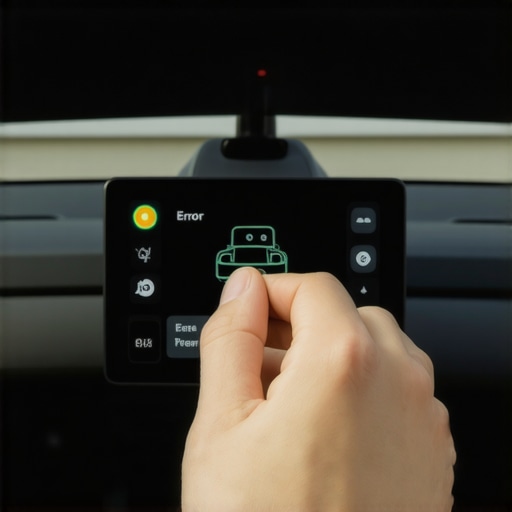
You step into your vehicle after a mobile service glass replacement, expecting the clarity of a fresh view, but within miles, your dashboard is screaming with ADAS warnings. As a master glazier with over two decades of experience, I see this daily. A window is not just a piece of transparent silica; it is a critical component of a structural system that manages environmental loads. When a mobile service technician performs a same-day chip repair or a full replacement in high-humidity or rainy conditions, they are fighting against the fundamental laws of chemical adhesion and refractive physics. Most installers are what I call ‘caulk-and-walk’ artists, focused on the visible bead of sealant rather than the molecular integrity of the bond line.
A homeowner called me in a panic because their new windows were ‘sweating.’ I walked in with my hygrometer and showed them the humidity was 60 percent. It wasn’t the windows; it was their lifestyle. I apply that same diagnostic rigor to automotive glass. If your car sensors are failing after a rainy install, it is rarely the sensor itself that has broken. Instead, it is the failure of the installer to manage the micro-climate during the bonding process. In a high-moisture environment, the urethane used by a glass installer can cure too rapidly on the surface while remaining unstable at the core, or worse, moisture can be trapped between the glass surface and the camera bracket, leading to immediate calibration drift.
The Science of the Bond Line
To understand why your lane-keep assist or emergency braking is failing, we must zoom into the glazing bead and the pinchweld, which functions as the rough opening of your vehicle. In a controlled environment, the glass installer applies a primer that creates a covalent bond between the glass and the frame. However, during a mobile service visit on a rainy day, the relative humidity spikes. Most high-grade urethanes are moisture-cured. While this sounds like rain would help, excessive moisture causes the adhesive to ‘skin over’ before it can properly wet the substrate. This creates a shim effect where the glass sits microns higher than it should. To a human eye, the glass looks perfect. To a camera calibrated to a fraction of a degree, the sash is out of alignment, and the world is viewed through a prism of structural distortion.
“Installation is just as critical as the window performance itself. A high-performance window installed poorly will fail.” – AAMA Installation Masters Guide
We must also discuss the role of the sill pan and weep hole logic in automotive design. Every vehicle has a drainage path. When a chip repair or replacement is rushed during a storm, water can infiltrate the flashing tape or the temporary seals used to hold the glass in place. This moisture migrates toward the sensor housing. Unlike a standard muntin in a residential window which simply holds a pane, the brackets for your car’s sensors are precision-engineered. Even a thin film of condensation on the interior of the glass, caused by high humidity during the install, will refract the light entering the sensor. This is why the system shuts down: it cannot verify the data it is receiving because the refractive index of the glass has been compromised by a layer of H2O.
Thermal Dynamics and Calibration Failure
In colder climates like Minneapolis or Chicago, the U-factor of the glass becomes vital. When we install glass in the rain, we are often introducing a massive thermal shock to the system. The cold rain hits the warm interior air, and the dew point is reached instantly on the glass Surface #2. This is where the ADAS camera is mounted. If the glass installer does not use a warm-edge spacer equivalent or ensure the mounting area is bone dry and thermally stabilized, the sensor will be looking through a fog that you cannot see. This is not a game-changer; it is a fundamental breach of ASTM E2112 standards which dictate that the mounting surface must be clean, dry, and prepared for the specific sealant being used.
“The presence of moisture on a substrate intended for sealant application can prevent the formation of a durable bond, leading to premature system failure.” – ASTM E2112 Standard Practice
The operative word here is ‘durable.’ A same-day chip repair might look fine for an hour, but as the vehicle moves and the frame flexes, that compromised bond allows for vibration. Most sensors are sensitive to frequencies that a human cannot detect. If the glass is not perfectly seated within the rough opening of the pinchweld, the vibration of the road is transmitted directly to the camera bracket. The software detects this as an instability and disables the system to prevent a false positive braking event. You are not just paying for glass; you are paying for the management of the aperture’s structural integrity.
Managing Solar Heat Gain and Sensor Accuracy
In southern climates like Texas or Arizona, the challenge shifts from condensation to Solar Heat Gain (SHGC). Rain in a hot climate creates a localized greenhouse effect. If your glass installer replaces your windshield in these conditions, they are often trapping high-temperature steam between the glass and the sensor shroud. This heat cannot escape. High-performance glass with Low-E coatings on Surface #2 is designed to reflect this heat, but if the heat is trapped inside the sensor housing, it can lead to thermal throttling of the camera’s processor. This is why your sensors might work in the morning but fail in the heat of the afternoon. The ‘Tin Man’ salesman won’t tell you that the glass type and the installation environment are linked; they just want to move the inventory.
When you choose a mobile service, you must demand that they use a specialized tent or wait for a dry window. A true professional understands that the rough opening must be treated with the same respect as a high-rise curtain wall. We use shims only when necessary for temporary alignment, but the primary support is the cured urethane. If that urethane is compromised by raindrops, the entire safety system of the vehicle is undermined. The cost of a failed calibration often exceeds the cost of the glass itself, making the ‘cheap and fast’ same-day option a massive financial risk. Focus on the numbers: the U-factor of your adhesive, the SHGC of your replacement glass, and the relative humidity of the install day. That is how you maintain the performance of your vehicle’s glazing system.