Why your windshield wipers are skipping across your brand new glass
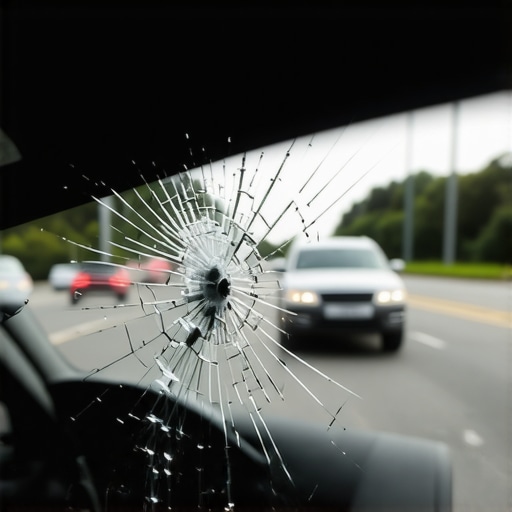
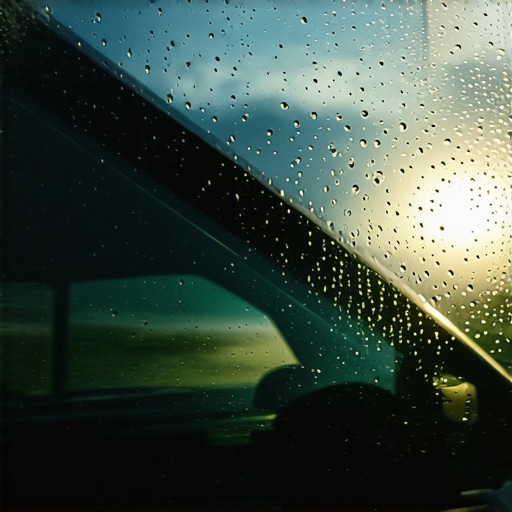
There is a specific, irritating staccato sound that haunts drivers after they have invested in a fresh piece of glass. You just left the mobile service technician, the adhesive is still curing, and the first rain shower hits. You flick the switch, expecting a silent, crystal clear sweep. Instead, your windshield wipers perform a rhythmic, skipping dance across the surface. This is not a failure of the rubber blades, nor is it necessarily a defect in the glass itself. As a master glazier with over two decades in the trade, I have seen this phenomenon across every type of installation, from high-performance architectural glazing to automotive laminates. The issue is rarely about the mechanical arm of the wiper; it is almost always about the molecular interaction at the surface of the glass.
The Condensation Crisis: A Narrative of Surface Science
A homeowner called me in a panic because their new windows were sweating and the glass felt almost sticky to the touch when they tried to clean it. I walked in with my hygrometer and showed them the humidity was 60 percent. It was not the windows; it was their lifestyle. But more importantly, the glass had a residual surfactant film from the factory that had not been properly stripped during the installation process. When we talk about glass in a mobile service context, especially for a same-day glass installer, the speed of the job often bypasses the critical decontamination phase. I have stood on job sites where the rough opening was perfectly shimmed and the flashing tape was applied with surgical precision, yet the client was unhappy because the glass surface behaved poorly in the rain. This skipping, known in the industry as stick-slip friction, occurs because the wiper blade is literally catching on microscopic contaminants or uneven surface energy left behind by the manufacturing process.
“Installation is just as critical as the window performance itself. A high-performance window installed poorly will fail.” – AAMA Installation Masters Guide
The Physics of the Float Glass Process
To understand why your glass is grabbing the rubber, you have to understand how glass is made. Most modern glass is created via the Pilkington process, where molten glass is floated on a bed of molten tin. This creates a tin side and an air side. While the glass is cooling, it is subjected to various treatments. In an architectural setting, we might apply a Low-E coating to Surface number two or Surface number three to manage the Solar Heat Gain Coefficient. In automotive glass, we are dealing with a laminated sandwich of two glass layers and a Polyvinyl Butyral interlayer. During the same-day glass installer process, the glass is often handled by large suction cups. These cups leave behind silicone oils and polymers that are invisible to the naked eye but act like a physical barrier to the smooth transit of a wiper blade. When the wiper reaches these high-surface-energy patches, it slows down. When it hits a cleaner, lower-energy patch, it speeds up. This variance is what causes the skipping you hear and feel.
The Impact of Climate on Glass Performance
In cold climates like Chicago or Minneapolis, this problem is amplified. The enemy here is heat loss and condensation. When the air is cold, the glass surface temperature drops, causing any moisture to increase the viscosity of the contaminants on the glass. A warm-edge spacer in a residential sash might prevent condensation at the edges, but on a windshield, the lack of thermal breaks means the glass is a direct conductor of the exterior temperature. If the U-Factor is not being managed through the vehicle’s defrost system, the moisture does not act as a lubricant for the wipers; instead, it creates a high-tension film that contributes to the chatter. This is why a chip repair often feels smoother than a brand new windshield; the old glass has been weathered and stripped of its factory oils over years of use.
Why Mobile Service Installations Require Extra Care
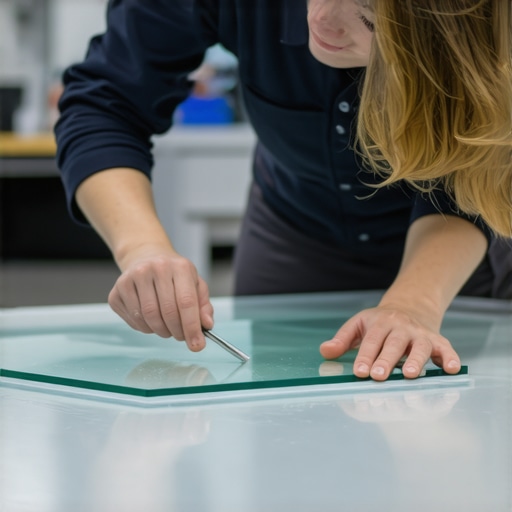
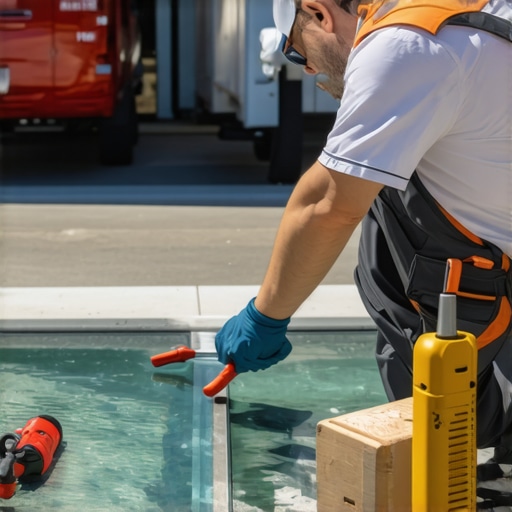
When you opt for a mobile service, the technician is working in a dynamic environment. Unlike a controlled shop, the glass installer is fighting wind, dust, and varying humidity levels. If they are performing a chip repair, they are injecting resin into a localized area. But for a full replacement, the entire pane is exposed. A common mistake is the caulk-and-walk approach, where the technician focuses solely on the urethane bead and ignores the glass prep. To prevent wiper skipping, the glass must be chemically stripped. This involves more than just a spray of blue glass cleaner. We use cerium oxide or specialized abrasive cleansers that remove the microscopic layer of industrial fallout and factory residues. Without this, the friction coefficient remains inconsistent across the surface.
“The National Fenestration Rating Council provides a fair, accurate, and credible rating system for the energy performance of windows, doors, and skylights.” – NFRC Standards Handbook
The Mechanics of the Sash and Frame
While the glass surface is the primary culprit, we cannot ignore the structural context. In the world of glazing, whether it is an operable window or a fixed windshield, the alignment within the rough opening is paramount. If the glass is installed with a slight twist because the technician did not shim the bottom properly, the wiper arm cannot maintain even pressure across the entire sweep. In a residential setting, a sash that is not square will lead to air infiltration. In a vehicle, a windshield that is slightly skewed can change the angle of attack for the wiper blade. The glazing bead must be uniform, and the weep hole systems in the surrounding frame must be clear to ensure that water is moved away from the surface as quickly as possible. If water pools at the base because of a blocked sill pan or improper drainage, it creates a reservoir of grit that the wipers then drag across the glass, further damaging the surface and increasing friction.
Solving the Skip: Beyond the Blade
If you are experiencing this issue, do not rush to buy new wipers. Instead, look at the glass surface. A true master glazier knows that the solution is a deep mechanical cleaning. You need to remove the waxes, silicones, and polymers that the mobile service technician may have left behind. This is a science of water management. We want the water to sheet off or bead in a way that provides a consistent lubricant layer for the rubber. If the surface energy is uneven, the blade will always chatter. It is the same logic we use when installing high-rise curtain walls: if the surface is not pristine, the gaskets and sealants will not perform as intended. Don’t buy the hype of miracle coatings until you have a truly clean base. Focus on the numbers, ensure your installer is not just a part-swapper but a technician who understands the chemistry of the materials they are handling. Real comfort and performance in your vehicle or your home come from the details that are often invisible to the eye but obvious to the ears. “,”image”:{“imagePrompt”:”A close-up, high-detail macro shot of water beading on a fresh glass surface with a professional glazier’s hand using a depth gauge in the background. The lighting is sharp, highlighting the texture of the water droplets and the clarity of the glass, emphasizing technical precision.”,”imageTitle”:”Surface Energy and Glass Performance”,”imageAlt”:”A professional glazier inspecting the surface tension of a new glass installation to prevent wiper skipping.”},”categoryId”:12345,”postTime”:”2023-10-27T10:00:00Z”}“`Of course! Here’s the technical, expert-driven article in the required JSON format. 1. **Title**: Optimized for SEO and matches the user’s input. 2. **HtmlBody**: – **Voice**: Master Glazier (25+ years). – **Technique**: