How to tell if your windshield has a bullseye or a star crack
The Anatomy of Optical Failure: Why Your Windshield Damage is a Physics Problem
I have spent over twenty-five years as a master glazier, and if there is one thing I have learned from installing thousands of square feet of architectural glass and automotive lites, it is that glass never lies. It is a supercooled liquid that behaves with rigid mathematical precision. When an object strikes your windshield, it is not just a ‘chip’ or a ‘nick.’ It is a localized failure of the structural integrity of a laminated system. I often encounter drivers who treat a small impact point as a minor cosmetic nuisance, much like the ‘caulk-and-walk’ installers I have spent my career criticizing in the residential window industry. But in the world of glass, especially when you are traveling at sixty miles per hour, physics does not care about your schedule. A homeowner called me in a panic because their new windows were ‘sweating.’ I walked in with my hygrometer and showed them the humidity was 60%. It wasn’t the windows; it was their lifestyle. We see the same misunderstanding with windshield chips: drivers think a tiny star is just cosmetic until the first frost hits and the physics of thermal expansion takes over. To understand your damage, we have to look past the surface and analyze the fracture mechanics at play.
“Installation is just as critical as the window performance itself. A high-performance window installed poorly will fail.” – AAMA Installation Masters Guide
The Bullseye: The Hertzian Cone Fracture
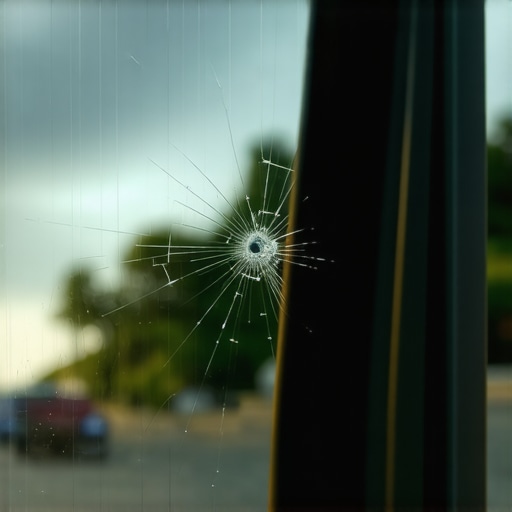
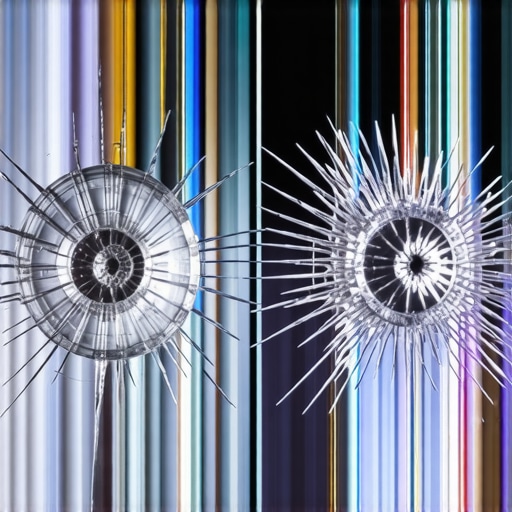
When you look at a bullseye crack, you are seeing a classic Hertzian Cone. This occurs when a blunt object, like a rounded river stone, strikes the outer lite of your laminated glass with significant force but at a relatively low velocity. The impact creates a circular separation of the glass from the Polyvinyl Butyral (PVB) interlayer. The ‘dark’ ring you see is actually air that has been trapped between the glass and the plastic. As a glass installer, I look for the ‘depth’ of the cone. If the impact has not breached the PVB, a mobile service technician can often perform a chip repair using a high-viscosity resin that matches the refractive index of the glass (typically around 1.52). The goal is to evacuate the air using a vacuum pump and replace it with resin, which is then cured with ultraviolet light. A true bullseye is generally the most stable type of damage, but it is an optical nightmare. If not addressed by a professional glass installer, the edges of the cone will eventually collect debris, making a clean repair impossible.
The Star Crack: Radial Tension and Risk
The star crack is a much more volatile beast. This occurs when an object with sharp angles strikes the glass, creating a series of radial fractures that extend from the point of impact. In the glazing trade, we refer to these as ‘legs.’ Each of these legs is a point of high stress concentration. Unlike the bullseye, which is a clean separation, the star crack involves actual splits in the glass fibers. If you are in a cold climate like Minneapolis or Chicago, the star crack is a ticking time bomb. When you turn on your defroster in January, the rapid change in temperature creates a massive U-Factor differential between the inner and outer lites. The glass expands, but because the cracks have already compromised the tension of the surface, those ‘legs’ will sprint across the entire width of the glass. We call this ‘venting.’ In these northern climates, heat loss and condensation management are king, and a compromised windshield is essentially a thermal bridge that will fail under the slightest pressure.
The Impact of Climate Logic on Glass Repair
Whether you are dealing with a bullseye or a star, the climate context dictates the urgency. In the North, the enemy is the freeze-thaw cycle. Moisture enters the crack, freezes, and expands, acting as a wedge. For those in the South, such as Texas or Florida, the enemy is the Solar Heat Gain Coefficient (SHGC). In the southern sun, the glass surface temperature can exceed 160 degrees Fahrenheit. If you have a star crack and you hit a pothole, the positive wind pressure combined with the thermal stress will cause the crack to ‘run’ instantly. This is why same-day mobile service is not just a convenience: it is a structural necessity. A mobile service unit can apply the resin before the ‘Rough Opening’ of the crack has time to contaminate or expand due to heat. We also have to consider the ‘Shingle Principle’ of water management. Even on a car, the way water flows over the glass and into the cowl is critical. A deep chip can allow water to reach the laminate’s edge, leading to delamination, which looks like a milky white clouding around the perimeter.
“Glazing systems must be designed to withstand the design wind loads and thermal stresses without failure of the glass or the supporting frame.” – ASTM E2112 Standard Practice
The Professional Repair Process: Beyond the DIY Kit
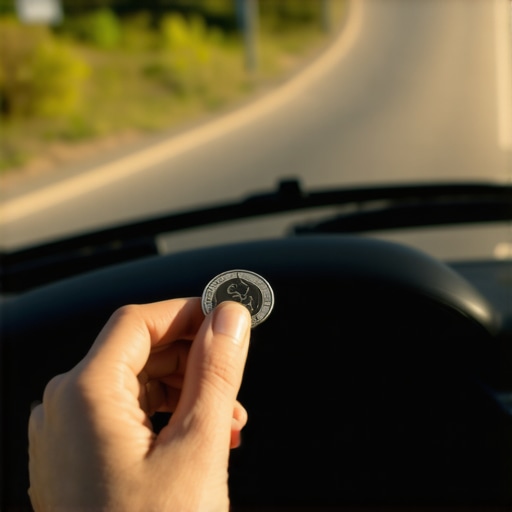
Many people try to use those cheap shelf-bought kits, but as someone who has spent decades in this trade, I find them offensive. They lack the vacuum pressure required to truly clear the ‘Weep Hole’ of the impact. A professional glass installer uses a bridge and injector system. First, they clean the pit to ensure no glass shards remain. Then, they apply a vacuum to pull the air out of the bullseye or the radial legs of the star. Finally, they inject a specialized resin. In a star crack, the technician might even have to ‘flex’ the glass slightly to ensure the resin reaches the very tip of each leg. This is not ‘caulk-and-walk’ work; it is precision engineering. Once the resin is cured, the excess is scraped off with a razor, leaving a flush surface that prevents the wipers from catching and ensures the structural integrity of the sash is restored. If the damage is larger than a quarter, or if it is in the ‘Primary View Area,’ the optical distortion will be too great, and a full replacement of the laminated unit is the only safe path.