The one thing that ruins a chip repair in minutes
The Anatomy of a Fractured Surface
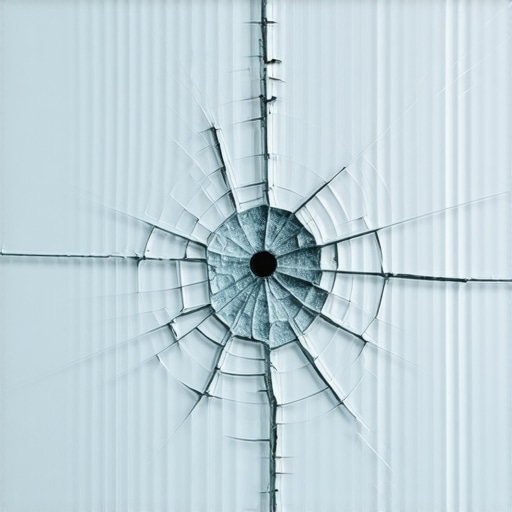
The sound is unmistakable. It is a sharp, percussive ‘clack’ that signals a sudden breach in the structural integrity of a glass pane. Whether it occurs on a high-performance architectural window or a piece of specialized glazing, a chip is more than a cosmetic blemish. It is a structural vulnerability. As a glass installer with over twenty-five years in the field, I have seen thousands of these impacts. Most people assume that a chip is a static event. They believe that once the rock hits, the damage is done. This is a fundamental misunderstanding of glass physics. Glass is an amorphous solid, a material that exists in a state of constant internal tension. When that tension is disrupted by a localized impact, the resulting ‘chip’ is actually a complex network of micro-fissures waiting for a reason to expand.
I recall a specific instance in a cold climate residential project that illustrates the fragility of this balance. A homeowner called me in a panic because their new windows were ‘sweating’ and a small chip they had ignored for a week had suddenly bifurcated the entire pane. I walked in with my hygrometer and showed them the humidity was 60 percent. It was not a failure of the window manufacturing; it was their indoor climate coupled with a neglected impact. The moisture had penetrated the micro-fissures of the chip through capillary action. When the temperature dropped overnight, that trapped moisture expanded as it approached the freezing point, exerting thousands of pounds of pressure per square inch from the inside out. It was not the wind or a second impact that ruined the glass; it was the simple presence of water and a lack of immediate professional intervention.
The One Thing That Destroys Your Repair
If you are looking for the primary culprit that ruins a chip repair in minutes, look no further than contamination. Specifically, the introduction of moisture or chemical cleaning agents into the break before the resin can be injected. Most homeowners see a chip and immediately reach for the glass cleaner or a damp rag. This is a catastrophic mistake. The ‘star break’ or ‘bullseye’ created by an impact is not a shallow crater; it is a deep, microscopic canyon. When you spray a surfactant-laden cleaner onto that break, the liquid is drawn deep into the fissures. Once those chemicals are inside, they are almost impossible to remove completely. They create a film on the glass walls that prevents the repair resin from bonding at a molecular level.
A mobile service technician arriving for a same-day repair can only work with the substrate they find. If that substrate is saturated with Windex or rainwater, the resin will not ‘wet’ the glass surface properly. The refractive index will be off, the structural bond will be weak, and within minutes of the UV curing process, you will see a ‘shimmer’ or a ‘halo’ where the resin has delaminated from the glass. This is why a professional glass installer insists on a bone-dry, chemically pure environment before beginning the injection. This is the difference between a repair that lasts the life of the glass and one that fails before the technician leaves the driveway.
“Installation is just as critical as the window performance itself. A high-performance window installed poorly will fail.” AAMA Installation Masters Guide
Technical Glazing: The Physics of Resin Bonding
To understand why contamination is so deadly, we must perform a technical zoom into the glazing chemistry. Professional chip repair relies on an anaerobic or UV-cured resin with a specific refractive index, usually around 1.52, which matches the index of standard soda-lime glass. The goal is to replace the air (refractive index 1.00) inside the crack with this resin. When the indices match, the light passes through the repair without bending, making the damage invisible. However, if water (refractive index 1.33) or cleaning oils are present, they create a third interface. The light hits the oil, then the resin, then the glass. This mismatch causes a visual refraction that alerts the eye to the failure.
Furthermore, the viscosity of the resin is tuned to the ambient temperature. In a North or Cold climate, the glass must be carefully pre-heated to open the fissures slightly, allowing the thick resin to flow into the furthest reaches of the ‘legs’ of the crack. If the glass is too cold, the resin sits on top like honey. If the glass is too hot, the resin can cure prematurely or cause the crack to run due to thermal shock. A mobile service expert understands this ‘Rough Opening’ of the crack physics. They use specialized injectors that create a vacuum first, sucking out the air and any residual moisture before introducing the resin under pressure. This ensures that the Glazing Bead or the surrounding Sash structure is not compromised by the repair process itself.
The Role of Climate and Thermal Stress
In regions like Chicago or Minneapolis, the U-Factor of the glass is your primary concern, but during a chip repair, it is the Delta-T (temperature difference) that dictates success. Glass is an excellent insulator but a poor conductor of heat. If a technician applies a hot repair bridge to a freezing cold window, the localized expansion can cause the chip to ‘bloom’ into a full-scale crack instantly. This is why climate-controlled mobile service is essential. The technician must stabilize the glass temperature before attempting the repair.
We also have to consider the ‘Shingle Principle’ of water management, even in a small chip. If the chip is located near the bottom of the pane, near the Weep Hole or the Sill Pan, it is at higher risk for hydrostatic pressure. Water that pools at the base of a window can be wicked upward into a chip through the same capillary action mentioned earlier. If the Flashing Tape or the overall installation didn’t account for proper drainage, the glass is perpetually sitting in a high-moisture environment, making a successful, long-term chip repair nearly impossible without first addressing the window’s drainage issues.
“Standard practice for installation of exterior windows requires that all components, including the glass and its integrity, be maintained to prevent air and water infiltration that could lead to structural degradation.” ASTM E2112
Why Same-Day Professional Service is Non-Negotiable
The reason same-day service is prioritized in the glazing industry is not just for customer convenience; it is to beat the clock of contamination. Every hour a chip sits open to the elements is an hour where dust, road salt, car wax, and humidity are migrating into the break. Once a chip is ‘dirty,’ the repair quality drops by fifty percent. A professional glass installer will often tell you to put a small piece of clear packing tape over the chip immediately after it happens. This isn’t to fix it, but to act as a temporary ‘Sill Pan’ to keep the debris out until the mobile service arrives.
When you choose a professional over a DIY kit, you are paying for the vacuum pressure. DIY kits rely on simple gravity or a cheap plastic syringe that cannot achieve the 20+ inches of mercury vacuum required to truly evacuate the air from the micro-fissures. Without that vacuum, you are simply trapping air under a layer of resin. Under the sun’s heat, that trapped air expands, pushing the resin out and allowing the crack to continue its journey across your Sash. A professional setup uses a bridge that shims against the glass, providing the stability needed to inject the resin at the precise pressure required to fill every Muntin-like intersection of the break.
Final Verdict: Respect the Glass
A window is an engineered system. From the Glazing Bead that holds it in place to the gas fill that provides its R-value, every component is designed to work in harmony. A chip is a discord in that harmony. To fix it, you cannot just ‘caulk and walk.’ You must understand the thermal dynamics, the chemical requirements of the resin, and the environmental factors that lead to failure. The one thing that ruins a chip repair in minutes is the arrogance of thinking it is a simple fix. It is a surgical procedure for your home or vehicle. Keep it dry, keep it clean, and call a professional mobile service before the first temperature swing of the day turns a ten-minute fix into a thousand-dollar replacement.