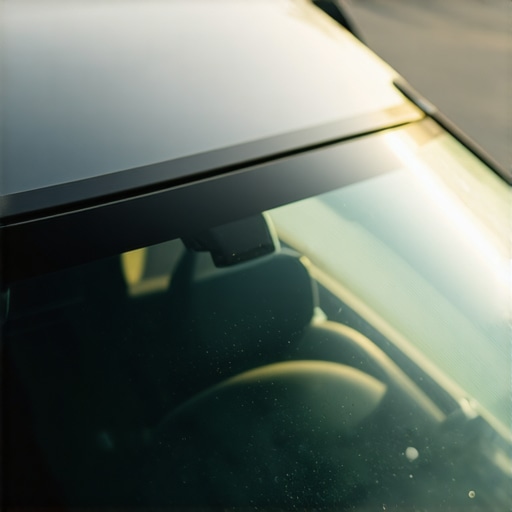
Why your windshield glass is thinner than it used to be
The Technical Reality of Modern Automotive Glazing
As a Master Glazier with over a quarter-century in the trade, I have seen the evolution of glass from the heavy, thick plate glass of the 1970s to the high-tech, razor-thin lites we install today. When you look at a modern vehicle, you are looking at an engineering marvel that balances structural integrity with a desperate need for weight reduction. A decade or two ago, a standard windshield might have been 5mm or 6mm thick. Today, we are seeing manufacturers push the boundaries down to 3.5mm or even 3mm. This shift is not about cutting corners on safety; it is a calculated response to CAFE (Corporate Average Fuel Economy) standards. In the world of automotive engineering, this is known as the Gram Strategy. If you can shave two pounds off the windshield, four pounds off the side glass, and a pound off the backlite, you have significantly reduced the vehicle’s curb weight, which directly translates to better fuel efficiency and lower emissions.
However, this reduction in mass has consequences for the homeowner or car owner that most salespeople will never mention. I recall a specific instance that mirrors what I often see in residential window failures. A homeowner called me in a panic because their new windows were ‘sweating’ and their car windshield was constantly fogging up on the interior. I walked in with my hygrometer and showed them the humidity was 60%. It wasn’t the windows or the car glass; it was their lifestyle and the lack of understanding of the dew point. With thinner glass, the thermal mass is lower. This means the glass surface temperature reaches the dew point much faster than the old, thick glass did. When that thin lite of glass cools down at night, the interior moisture condenses almost instantly. It is a physics problem, not a manufacturing defect.
The Science of Solar Heat Gain and Thin Glass
When we talk about windows, we have to talk about the Solar Heat Gain Coefficient (SHGC). In a hot climate, thin glass is a liability unless it is treated with advanced coatings. In my years as a glass installer, I have explained to countless clients that the thickness of the glass does not necessarily stop the heat; it is the Low-E coating and the interlayer technology. Modern thin windshields are actually a sandwich of two thin lites of glass with a Polyvinyl Butyral (PVB) interlayer. To combat the loss of thermal mass, engineers now use an acoustic interlayer that is specifically designed to dampen sound frequencies that thin glass would otherwise allow to pass through. This is why your car remains quiet even though the glass is 30% thinner than it used to be. The coating is typically placed on Surface #2 (the inside of the outer lite) to reflect long-wave infrared radiation before it even enters the laminate sandwich.
“Installation is just as critical as the window performance itself. A high-performance window installed poorly will fail.” – AAMA Installation Masters Guide
This principle applies tenfold to automotive glass. When a glass installer performs a mobile service replacement, the precision of the Rough Opening (or in this case, the pinch weld) is paramount. If the technician does not use the proper primers or allows the urethane to skin over before the glass is set, the structural integrity of the entire vehicle is compromised. The windshield in a modern car is a structural component; it provides up to 60% of the cabin’s strength during a rollover. When the glass is thinner, the tolerances for the adhesive bead become even tighter. There is no room for a ‘caulk-and-walk’ mentality in this industry.
Why Chips Happen More Frequently Now
Clients often ask me why they need chip repair more often than they did twenty years ago. The answer is simple: Young’s Modulus and surface tension. Thinner glass is more flexible. While flexibility can be an advantage in some structural applications, in automotive glazing, it means that a stone impact has a different effect on the surface. A thinner lite of glass lacks the sacrificial mass to absorb the kinetic energy of a highway projectile. Instead of a small pit, the energy is transferred through the thinner material, often leading to a full-thickness fracture or a star-break that requires same-day attention. If you ignore a small chip, the thermal expansion and contraction of that thin glass will cause the crack to propagate across the entire Sash area of the windshield in a matter of hours.
The Role of the Professional Glass Installer
When you are looking for a mobile service for glass replacement, you need to ensure the technician understands the Sill Pan principle of drainage. In a vehicle, the cowl area acts as the drainage system. If the Glazing Bead or the urethane seal is not perfectly consistent, water will bypass the intended path and end up in your floorboards, leading to rot that looks exactly like the rotted headers I see in residential window failures. A true professional doesn’t just slap a piece of glass in and move on. They check the Weep Hole equivalents in the vehicle’s body, ensure the Operable side glass is calibrated, and verify that any Flashing Tape or gaskets are seated correctly. We use Shim-like blocks to ensure the glass is perfectly centered in the opening, preventing stress points that could lead to spontaneous breakage.
“Proper adhesion of the glazing system to the substrate is the primary defense against environmental intrusion.” – ASTM E2112
The ASTM E2112 standard is the bible for residential installers, but the core logic of ‘substrate preparation’ is universal. If the pinch weld has any rust or old urethane left behind, the new bond will fail. For a thin-glass windshield, this is catastrophic because there is less surface area for the adhesive to grab onto compared to the thick glass of yesteryear. We are working with smaller margins of error across the board. The Muntin-like dividers you see on some luxury vehicle side windows are often the only thing providing additional rigidity to these thinner assemblies.
The Future of Glazing: Thinner, Stronger, Smarter
We are moving toward chemically strengthened glass, similar to what you find on your smartphone (Gorilla Glass), being used for automotive applications. This allows for even thinner lites—sometimes as low as 2mm—while maintaining incredible impact resistance. But until that becomes the industry standard, we are in a transitional period where your glass is thin, vulnerable, and highly technical. Don’t let a cut-rate installer handle a high-tech component. Whether it is a chip repair or a full replacement, the quality of the glass and the precision of the installation will determine whether that ‘hole in your wall’ manages the heat, light, and water correctly, or becomes a source of constant frustration. Focus on the numbers, the technical specs, and the reputation of the installer rather than the lowest bid. In the world of glazing, you truly get what you pay for.
{“@context”:”https://schema.org”,”@type”:”HowTo”,”name”:”How to Maintain Thin Modern Windshield Glass”,”step”:[{“@type”:”HowToStep”,”text”:”Inspect the glass daily for small chips or pits, especially after highway driving.”},{“@type”:”HowToStep”,”text”:”Ensure the interior humidity of the vehicle is controlled to prevent rapid dew point condensation on thin glass surfaces.”},{“@type”:”HowToStep”,”text”:”Use only high-quality, non-ammonia glass cleaners to protect the interior Low-E and acoustic coatings.”},{“@type”:”HowToStep”,”text”:”Address chips immediately with a professional glass installer to prevent cracks from spreading due to thermal stress.”}]}