Why your mobile glass installer needs at least 45 minutes of dry weather
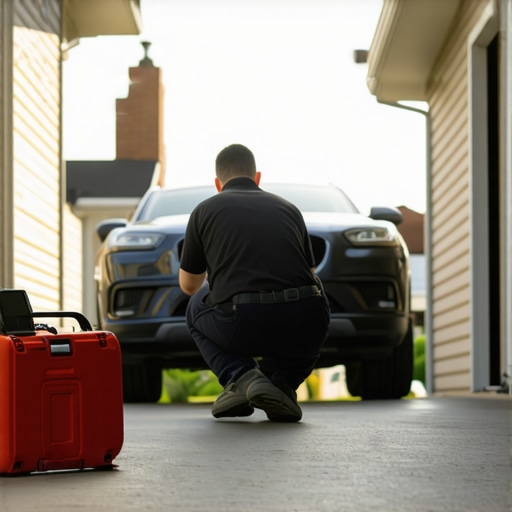
Convenience in the modern glazing industry often comes in the form of a mobile service van arriving at your driveway to execute a same-day repair. However, as a master glazier with a quarter-century in the field, I have seen too many ‘caulk-and-walk’ installers prioritize their schedule over the chemical integrity of the bond. Whether we are discussing a residential sash replacement or a critical chip repair, the physics of adhesion remain indifferent to your calendar. The reality is that the 45-minute window of dry weather is not a suggestion; it is a fundamental requirement dictated by the molecular behavior of high-performance urethanes and resins.
The Narrative Matrix: A Lesson in Atmospheric Humidity
A homeowner once called me in a panic because their newly installed glass was ‘sweating’ within hours of a mobile service call. They suspected a defective seal in the unit. I walked onto the job site with my hygrometer and showed them that the ambient humidity was nearly 75 percent due to a light drizzle that had passed through just before the installer arrived. I had to explain that it wasn’t a defect in the glass; it was their lifestyle and the installer’s negligence in ignoring the dew point. The moisture had infiltrated the pinchweld area before the primer could flash off, creating a microscopic layer of water that prevented the urethane from ever truly cross-linking with the substrate. That window was essentially held in by gravity and hope, not by a structural bond. This is why a professional glass installer must be obsessed with the weather forecast.
“Installation is just as critical as the window performance itself. A high-performance window installed poorly will fail.” AAMA Installation Masters Guide
The Chemistry of Adhesion in Mobile Service
To understand the 45-minute rule, we must zoom into the glazing bead and the chemical composition of the adhesives used in mobile service. Most structural glass adhesives are moisture-cured urethanes. While they need a small amount of atmospheric moisture to cure over 24 hours, an excess of liquid water during the initial application is catastrophic. If a chip repair resin is introduced to a break that contains even a trace of rainwater, the surface tension of the water prevents the resin from reaching the tips of the cracks. This results in an incomplete fill that will inevitably spread when the glass undergoes thermal expansion.
When a glass installer applies a primer to the rough opening or the glass frit, the solvents in that primer must ‘flash off’ or evaporate completely. This process is hindered by high humidity and stopped entirely by rain. If you trap moisture under a bead of sealant, you are essentially creating a failure point for future rot or structural detachment. The 45-minute dry window allows for the substrate to reach a state of surface dryness where the Van der Waals forces can actually take effect between the adhesive and the glass surface.
Thermal Logic and the Enemy of Moisture
In colder climates like Chicago or Minneapolis, the enemy is the dew point. If the glass temperature drops below the dew point, a microscopic layer of condensation forms instantly. If an installer applies resin or urethane over this ‘sweat,’ the bond will fail. For mobile chip repair, the resin’s viscosity is tuned to penetrate tight breaks. Water has a different refractive index and a much lower viscosity, but its high surface tension in a confined space like a star break makes it nearly impossible to displace without a dedicated drying cycle. This is why same-day service must still be ‘dry-day’ service.
“The presence of moisture on a substrate intended for sealant application can lead to total adhesive failure, often hidden from view until the system is stressed by wind or thermal movement.” ASTM E2112 Standard Practice
The Mechanics of the Chip Repair
During a mobile service for chip repair, the technician uses a bridge and injector tool to create a vacuum. If it has rained within the last 45 minutes, that vacuum will pull water into the injector rather than pulling air out of the break. The result is a milky, visible scar in the glass that provides zero structural reinforcement. A proper glass installer will use a heat gun or a moisture-wicking tool, but even then, the surrounding atmosphere must be dry enough to prevent re-contamination. We are looking for a clean ‘Rough Opening’ even in a small chip, ensuring the glazing bead of the repair is pristine.
Why Speed Kills in Glazing
The ‘Tin Man’ installers will tell you that they can work in any weather, using ‘special’ primers that work in the rain. As a master glazier, I call foul. No primer can override the laws of thermodynamics. If the solvents cannot evaporate because the air is saturated with water vapor, the primer remains ‘tacky’ or ‘wet’ far beyond its engineered limit. When the urethane is applied over a wet primer, it ‘skins’ over the top while the base remains a liquid slurry. In a vehicle, this could mean the glass pops out during an airbag deployment. In a home, it means a leak that will rot your headers and sills within two seasons.
The 45-Minute Breakdown
Why 45 minutes specifically? This time frame accounts for the ‘open time’ of most industrial-grade adhesives and the necessary flash-off period for the cleaning agents used to prep the glass. A mobile glass installer needs at least 15 minutes to clean and prep the surface, 15 minutes for the chemical primers to stabilize, and another 15 minutes of dry time post-application to allow the outer layer of the sealant to develop a ‘tack-free’ skin. This skin is the first line of defense against subsequent rain. Without this 45-minute window, the structural integrity of your glass installation is compromised, leading to wind noise, water leaks, and eventual failure of the operable parts of the sash.
Conclusion: Trust the Professional, Not the Clock
The next time you schedule a mobile service, and the technician asks to reschedule because of a passing shower, do not be frustrated. Instead, recognize that you are dealing with a professional who understands the difference between ‘stuck on’ and ‘bonded.’ Same-day service is a wonderful convenience, but it should never supersede the technical requirements of the materials. A quality glass installer knows that a dry environment is the most important tool in their van, more so than the most expensive vacuum pump or suction cup. Water management is a science, and in the world of glazing, science always wins over speed.