The real reason your new glass might be whistling on the highway
The Symphony of a Failed Seal: Why Precision Glazing Matters
You are cruising at 70 mph when it starts: a high-pitched, tea-kettle shriek that cuts through your radio and your sanity. Most drivers turn up the music, but to a master glass installer with 25 years in the trenches, that sound is a technical failure crying out for a post-mortem. I once inspected a late-model sedan where the owner complained of this exact highway whistle just three days after a mobile service replacement. I pulled the trim and found the culprit immediately: the previous technician had used a high-viscosity urethane in near-freezing temperatures without pre-heating the cartridge. The bead didn’t collapse properly, leaving a microscopic tunnel where the air was forced through at high velocity. I pulled that glass out and the pinchweld was already showing signs of moisture. This was not a glass problem; it was an installation disaster. Why? Because the previous installer relied on the trim to hide a gap instead of ensuring a continuous structural bond.
“Installation is just as critical as the window performance itself. A high-performance window installed poorly will fail.” – AAMA Installation Masters Guide
The Physics of the Whistle: Pressure Differentials and Bernoulli
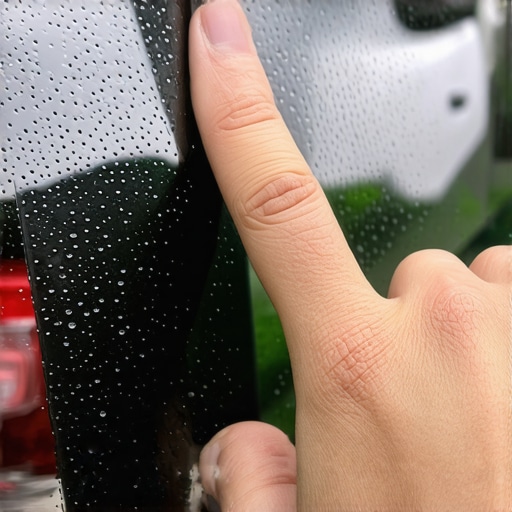
To understand why your glass is singing, you have to understand the Bernoulli Principle. As your vehicle moves, the air passing over the exterior surface of the glass travels faster than the air inside the cabin. This creates a low-pressure zone on the outside. If there is even a pinhole-sized void in the urethane bead, the higher-pressure air from your cabin is literally sucked out through that hole. That vibration of air through a tight aperture is what creates the whistle. In my world, we call this a failure of the glazing bead or the primary seal. It is a sign that the glass installer did not achieve a 100% wet-out of the adhesive. When you opt for a same-day mobile service, the technician is often fighting against environmental variables like wind, dust, and temperature that can compromise the chemistry of the bond. If the rough opening of the vehicle frame is not cleaned to a surgical standard, the primer will fail to bite, and you end up with an air leak.
The Anatomy of a Proper Glass Installation
A professional glass replacement is not just about slapping a new piece of laminate into a hole. It is a multi-step engineering process. First, we have to talk about the pinchweld. If a technician uses a metal scraper and nicks the paint, that is an invitation for oxidation. Rust is the enemy of any glass installer because it expands and lifts the seal, leading to leaks and whistles. We use specific shims to ensure the glass is perfectly centered within the frame, maintaining an even gap for the adhesive to work. Then there is the matter of the weep hole and drainage. In architectural glazing, we worry about water management; in automotive glass, we worry about air management. If the molding or the cowl isn’t seated properly, it disrupts the laminar flow of air over the glass, creating turbulence that manifests as noise. A chip repair is a different beast entirely, requiring a vacuum-sealed bridge to inject resin into the break, but even then, the goal is to restore the structural integrity and the aerodynamic profile of the surface.
“The integrity of the fenestration seal is dependent upon the continuity of the sealant bead and the preparation of the substrate.” – ASTM E2112 Standard Practice
Thermal Dynamics: Why the Cold Makes it Worse
In northern climates like Chicago or Minneapolis, the U-Factor of the installation becomes critical. When the temperature drops, materials contract. If the glass installer used a low-quality adhesive with poor elastic recovery, the seal can actually pull away from the frame in sub-zero temperatures. This is why we insist on using high-modulus urethanes that maintain their flexibility across a wide thermal range. We also have to consider the dew point during the mobile service. If there is any condensation on the metal when the primer is applied, the bond is compromised from second one. This is the technical reality that “discount” installers won’t tell you. They are focused on the “same-day” turnaround, but a quality cure takes time and the right environment. If your glass is whistling, it is likely because the adhesive didn’t have the green strength to hold against the wind pressure before the vehicle was driven.
The Mathematical Reality of Replacement
Many homeowners and drivers think that all glass is the same, but the NFRC ratings tell a different story. While you might not see an NFRC label on your windshield, the same principles apply: Visible Transmittance and Solar Heat Gain Coefficient. High-quality glass is designed to manage the infrared spectrum, keeping your cabin cooler and reducing the load on your HVAC system. When a chip repair isn’t enough and you need a full swap, you are effectively replacing a structural component of the vehicle. The glass provides up to 60% of the structural integrity in a rollover accident. That whistle isn’t just a noise; it’s a warning that the structural bond between the glass and the frame is incomplete. Don’t buy the marketing hype of the “fastest” service; buy the technical precision of a glazier who knows how to manage a sill pan and a sash correctly.