How to fix a chip before it reaches the glass edge
The Anatomy of a Fracture: Why Every Second Counts
The sound is unmistakable. It is a sharp, metallic crack that resonates through the pane, a sound any seasoned glass installer recognizes as the beginning of a structural headache. When a projectile strikes a glass surface, it creates a localized zone of immense stress. As a master glazier with over two decades in the field, I have seen these minor imperfections transform into catastrophic failures overnight. The physics of glass is unforgiving. We are dealing with an amorphous solid that maintains a delicate balance of internal tension. A chip is not just a cosmetic blemish; it is a breach in the structural integrity of the glazing unit. When you see a bullseye or a star break, you are looking at a site where the glass is actively trying to pull itself apart. If that tension reaches the glass edge, the repair window closes permanently. At the edge, the glass is often under even higher stress due to the glazing bead pressure or the expansion of the frame. Once a crack enters the perimeter of the rough opening, the entire lite is compromised and must be replaced.
The Moisture Contamination Crisis: A Narrative of Neglect
A homeowner called me in a panic because their new windows were ‘sweating’ internally around a small impact point. I walked in with my hygrometer and showed them the humidity was 60 percent. It was not a failure of the factory seal initially; it was a small chip they had ignored for three weeks. In our northern climate, moisture is the ultimate enemy of glass longevity. That tiny pit in the glass had acted as a straw, pulling in humid air. When the temperature dropped at night, that moisture condensed inside the chip. Because water expands when it freezes, it acted like a hydraulic wedge, driving the crack deeper into the glass. The homeowner thought they could wait until spring, but the laws of thermodynamics do not take seasonal breaks. They were looking at a full sash replacement because they skipped a simple chip repair. This is why mobile service is not a luxury; it is a technical necessity for preserving the U-Factor and structural stability of your windows.
The Physics of the North: Why Temperature Fluctuations Kill Glass
In cold climates like Chicago or Minneapolis, the U-Factor is the metric that governs our lives. We want to keep the heat inside, but this creates a massive thermal gradient across the glass. The inner surface might be 70 degrees Fahrenheit while the outer surface is sub-zero. This temperature delta causes the glass to bow slightly. If you have a chip on Surface #1, it is subjected to constant expansion and contraction cycles. The Low-E coating on Surface #3 is designed to reflect heat back into the room, which is great for your heating bill but creates a complex thermal environment for the glass itself. When a chip is present, the glass can no longer distribute these thermal stresses evenly. It concentrates at the sharpest point of the chip, which we call the ‘stress riser.’ Without a professional resin injection to fill that void and restore the refractive index, the glass will eventually yield to the pressure. A same-day mobile service intervention uses specialized resins that match the expansion coefficient of the glass, effectively ‘welding’ the break back together before the next cold front hits.
“Installation is just as critical as the window performance itself. A high-performance window installed poorly will fail.” AAMA Installation Masters Guide
The Technical Repair Process: More Than Just Glue
When a glass installer arrives for a mobile chip repair, they are performing a high-precision surgical strike. The process begins with cleaning the rough opening of the chip. Any microscopic debris or moisture trapped inside will prevent the resin from bonding. We use a vacuum pump to evacuate the air from the fracture. This is critical. If you simply smear resin over the top, you are trapping air pockets that will expand and contract, eventually pushing the resin out. Once a vacuum is achieved, we inject a high-viscosity UV-curable resin. This resin must be thin enough to penetrate the microscopic ‘legs’ of a star break but thick enough to provide structural support. We then apply a curing film and expose the site to a specific wavelength of ultraviolet light. This triggers a chemical reaction called polymerization, turning the liquid resin into a solid that is nearly as hard as the glass itself. Finally, the excess resin is scraped flush with the surface using a razor, ensuring the glazing bead and wipers can pass over it without snagging. This process restores the structural integrity and prevents the fracture from migrating toward the edge where the frame’s mechanical pressure would finish the job.
“Glazing materials must be selected and installed to withstand the design pressure and thermal loads of the specific environment.” ASTM E2112 Standard Practice
The Edge Tension Zone: Why the Perimeter is the Point of No Return
The perimeter of any glass lite is its most vulnerable area. This is where the glass meets the shim and the sash. In a properly installed window, the glass is ‘floating’ in the frame, supported by setting blocks to prevent direct contact with the sash material. However, the edges are still subjected to the highest mechanical loads. If a chip is allowed to propagate and reaches within two inches of the edge, the likelihood of a successful repair drops to near zero. At this point, the crack enters the ‘tension zone’ where the glass is being pinched by the glazing stops. Any slight movement of the building, a gust of wind, or even the closing of a door creates a vibration that will send that crack through the entire pane. By opting for a same-day repair, you are essentially putting a physical stop-gap in the path of the crack. You are reinforcing the glass at its weakest point before it reaches the area of maximum stress. This is the difference between a fifty dollar repair and a thousand dollar replacement.
The Myth of the DIY Repair Kit
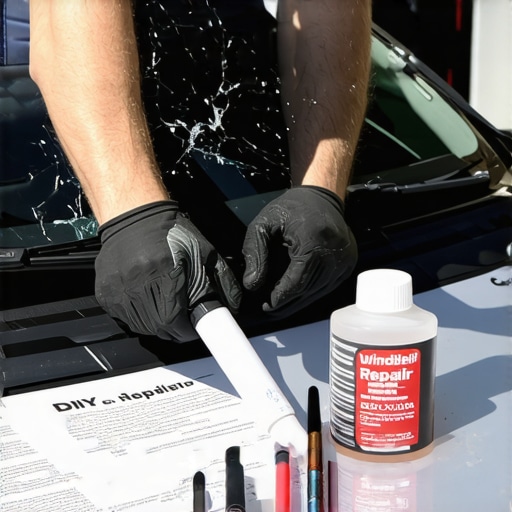
I often see the aftermath of ‘home-brew’ repairs. A homeowner buys a ten dollar kit from a big-box store and tries to fix a star break in the middle of a July afternoon. The results are usually disastrous. These kits often use low-grade resins that yellow over time and do not have the proper refractive index. Furthermore, without a professional vacuum tool, they trap air inside the crack, making it more visible and less stable. A professional glass installer understands the chemistry of the glass. We know that the surface temperature must be within a specific range for the resin to bond correctly. If the glass is too hot, the resin cures too fast and becomes brittle. If it is too cold, it will not flow into the microscopic fissures. True mobile service involves climate control at the repair site to ensure the resin performs its job for the next twenty years, not just the next twenty minutes. Don’t buy the hype of a quick fix; buy the numbers and the expertise of a master glazier.
Managing the Weep Holes and Drainage
Even a chip repair is related to the overall water management system of the window. In many modern glazing units, the frame includes weep holes to allow incidental moisture to escape. If a chip is located near the bottom of the pane, it is in a high-moisture zone. If water enters that chip and cannot drain, it sits against the PVB layer in laminated glass or against the seal in an IGU (Insulated Glass Unit). This leads to delamination or seal failure, often characterized by a foggy appearance that cannot be wiped away. A professional repair seals that entry point, ensuring the ‘Shingle Principle’ is maintained and water flows over the glass and out through the drainage system as intended. We are not just fixing a hole; we are maintaining the envelope of the building.
{“@context”: “https://schema.org”, “@type”: “HowTo”, “name”: “How to Fix a Glass Chip Before it Reaches the Edge”, “description”: “A professional guide on stopping glass fractures using resin injection and vacuum technology.”, “step”: [{“@type”: “HowToStep”, “text”: “Clean the chip of all debris and moisture using a specialized probe and vacuum.”}, {“@type”: “HowToStep”, “text”: “Apply a vacuum seal over the fracture to remove trapped air from the glass layers.”}, {“@type”: “HowToStep”, “text”: “Inject high-viscosity UV-curable resin into the void under pressure.”}, {“@type”: “HowToStep”, “text”: “Cure the resin using a UV light source to ensure polymerization and structural bonding.”}, {“@type”: “HowToStep”, “text”: “Scrape the excess resin flush with the glass surface to restore aerodynamic and structural smoothness.”}]}