How to stop a rock chip from spidering in the summer heat
The Physics of Thermal Stress and Glass Failure
As a Master Glazier with over a quarter-century of experience in the field, I have seen every type of glazing failure imaginable, from the total collapse of a poorly shimmed curtain wall to the catastrophic shattering of tempered glass in high-heat environments. When you are dealing with a rock chip in the peak of summer, you are not just looking at a cosmetic blemish; you are looking at a ticking time bomb of molecular stress. Glass is an amorphous solid that responds to temperature changes with significant expansion and contraction. In the South, where the Solar Heat Gain Coefficient (SHGC) becomes the most critical metric for any glass installer, the exterior surface of a pane can reach temperatures far exceeding the ambient air. If it is 100 degrees Fahrenheit outside, your glass surface can easily hit 140 degrees. This is where the physics of ‘spidering’ begins.
“Installation is just as critical as the window performance itself. A high-performance window installed poorly will fail.” – AAMA Installation Masters Guide
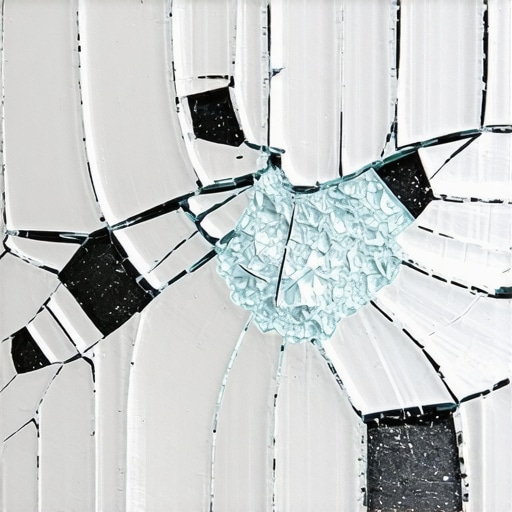
A homeowner called me in a panic because their new windows were ‘sweating.’ I walked in with my hygrometer and showed them the humidity was 60%. It was not the windows; it was their lifestyle choices. But that same homeowner had a tiny rock chip on the outer lite of an operable sash. Within two hours of the afternoon sun hitting that Surface #1, the chip had expanded into a twelve-inch crack. Why? Because the thermal gradient between the cool, air-conditioned interior and the scorching exterior created a massive amount of tension. The chip acts as a ‘stress riser,’ a point where the mechanical energy of the expanding glass concentrates. Without immediate intervention via same-day mobile service, that energy has nowhere to go but to rip through the molecular bonds of the silica.
Decoding the Numbers: Why Summer Heat is the Enemy
In hot climates, we prioritize the SHGC, which measures how well a product blocks heat caused by sunlight. A lower SHGC means less solar heat is transmitted through the glass. When a chip occurs, it compromises the glass lite’s ability to distribute this heat evenly. In a professional glass installer setup, we look for Low-E coatings on Surface #2. This is the inner face of the outermost pane. By reflecting the long-wave infrared radiation back toward the outside, we keep the heat from penetrating the building envelope. However, when a chip is present on Surface #1 (the exterior), it disrupts the glass’s structural integrity precisely where the heat absorption is most intense. The glass around the chip expands, but the damaged area cannot support the load, leading to the dreaded spidering effect.
“The integrity of the glass lite is compromised at the moment of impact. Thermal expansion serves only to accelerate the inevitable failure of the molecular bonds at the crack tip.” – NFRC Performance Guidelines
To stop a chip from spreading, you must understand the ‘Neutral Axis’ of the pane. When the exterior heats up, the glass wants to bow. If the glass is constrained by a tight glazing bead or if the rough opening was not properly leveled with a shim, there is no room for this movement. This external pressure, combined with thermal expansion, forces the crack to propagate. This is why a mobile service technician does not just ‘fill the hole.’ They must assess the tension of the glass within the sash and ensure that the resin used has a refractive index and a coefficient of thermal expansion similar to the glass itself. If the resin is too rigid, it will pop out; if it is too soft, it will not provide the structural reinforcement needed to halt the spidering.
The Critical Role of Same-Day Mobile Service
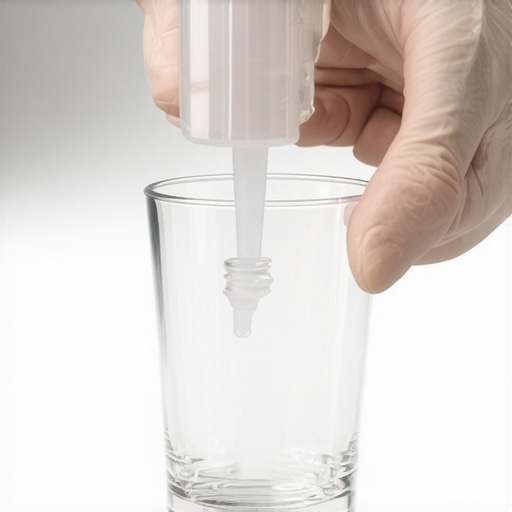
Time is your greatest enemy when dealing with a chip in a high-heat zone. Every hour the sun beat down on that glass, the microscopic fissures at the edge of the chip are deepening. A professional chip repair involves injecting a specialized UV-cured resin into the damaged area. This resin must be thin enough to penetrate the ‘legs’ of a star break but thick enough to stay in place. As a glazier, I use a vacuum-pressure tool to extract the air from the crack before forcing the resin in. If you leave air inside, that air will expand in the heat, effectively acting as a wedge that drives the crack further apart. This is why DIY kits often fail in the summer; they lack the vacuum capability to remove the trapped air and moisture.
Structural Management and Water Defense
Even when repairing a chip, an expert installer considers the entire assembly. We look at the weep hole at the bottom of the frame to ensure no moisture is backing up into the glazing pocket. Moisture trapped against a chip can lead to hydrostatic pressure when it heats up, further accelerating the crack. We also check the sill pan and flashing tape around the window frame. While these are usually for water management, any rot in the header or the rough opening can cause the frame to sag, putting uneven pressure on the glass. This pressure is often the silent partner in why a chip suddenly spiders when you hit a small bump or when the wind pressure changes. A master glass installer knows that the glass is part of a system, not an isolated component.
How to Protect Your Glass Until the Installer Arrives
If you cannot get same-day service, there are a few technical steps you can take to mitigate the risk. First, keep the glass out of direct sunlight. Park in a garage or the shade of a building. Second, do not blast your air conditioning directly onto the glass. The thermal shock of 60-degree air hitting 140-degree glass is the most common cause of immediate spidering. Third, avoid washing the glass with cold water. Fourth, do not use clear tape over the chip if the glass is already hot, as this can trap heat and increase the localized temperature. Your goal is to keep the temperature of the pane as stable as possible until a professional can perform the resin injection.
Technical Summary of Resin Repair
The chemistry of the repair is fascinating. We use an anaerobic resin that cures under specific UV wavelengths (usually 365nm). In the summer, we have to be careful because the ambient UV from the sun can cause the resin to cure before it has fully penetrated the crack. A master installer uses a UV shield during the injection process. Once the resin is in, we remove the shield and let the sun or a specialized lamp cure it. We then scrape off the excess with a razor blade at a 90-degree angle to the glazing bead, ensuring a flat, clear finish that restores the structural integrity of the lite. This process, when done correctly, can prevent the need for a full sash replacement, saving the homeowner hundreds of dollars while maintaining the energy efficiency and U-factor of the original unit.