How to spot a low-quality windshield seal before it leaks
A windshield is not merely a piece of glass designed to keep bugs out of your teeth; it is a structural component of your vehicle. In my twenty-five years of experience as a master glazier, I have seen too many ‘caulk-and-walk’ installers treat a windshield replacement like a simple sticker swap. It is not. The windshield provides up to 60 percent of the structural integrity in a rollover accident and supports the deployment of the passenger-side airbag. When that seal is compromised, you are not just looking at a potential wet floor mat; you are looking at a critical safety failure. Spotting a low-quality seal requires a technical eye and an understanding of how the glass interacts with the aperture of the vehicle.
The Condensation Crisis: A Warning Sign in the Cabin
I recall a specific case involving a client who called me in a panic because their brand-new luxury SUV was ‘sweating’ on the inside every morning. They assumed it was a defect in the glass or perhaps an issue with the climate control. I arrived with my hygrometer and a sonic leak detector. Within five minutes, I showed them that the humidity in the cabin was spiking because water was wicking through a pinhole-sized gap in the urethane bead at the top of the A-pillar. The previous mobile service had rushed the job, failing to account for the dew point during the early morning installation. The moisture trapped in the pinchweld prevented the primer from flashing off correctly, leading to a bond failure. It was not a lifestyle issue; it was an installation failure disguised as condensation.
“The integrity of the perimeter seal is the primary defense against environmental infiltration and structural degradation. A failure in the adhesive bond is a failure of the entire glazing system.” – Adapted from ASTM E2112 Installation Standards
The Anatomy of the Pinchweld and the Urethane Bead
When a professional glass installer approaches a vehicle, they are looking at the pinchweld. This is the metal track where the glass sits. A low-quality seal often begins here. If the old urethane is not trimmed down to a consistent two-millimeter thickness, the new bead will not seat properly. This is known as ‘short-cutting’ the prep work. If you look closely at your windshield from the outside, the black ceramic band called the frit should hide the adhesive. However, if you see ‘squeeze-out’ or messy black goop encroaching onto the dashboard or visible from the exterior, the installer used too much pressure or an inconsistent bead height. A professional bead is a perfect V-shape when applied, ensuring that as the glass is set, the air is pushed out to create a hermetic seal. If you see gaps or bubbles in that black line from the interior, you have a structural void.
Climate Context: The Southern Heat Factor
In hot climates like Texas or Arizona, the enemy of the windshield seal is Solar Heat Gain and UV degradation. The sun’s radiant heat can reach temperatures on the dashboard that exceed 200 degrees Fahrenheit. If your glass installer used a low-grade, high-viscosity urethane without the proper primer, that heat will cause the adhesive to soften and lose its ‘grab.’ This is why we focus on the Solar Heat Gain Coefficient even in auto glass. A high-quality windshield will have an interlayer designed to reflect long-wave infrared radiation. If you notice your car is significantly hotter after a replacement, or if you smell a chemical, ‘vinegary’ odor when the car sits in the sun, the installer may have used a cheap architectural silicone instead of a true automotive-grade polyurethane. This is a massive red flag. Polyurethane is designed to remain elastic yet structurally sound across a massive temperature gradient; silicone is for bathtubs, not for 70-mile-per-hour wind loads.
The Visual Inspection: Spotting the ‘Mobile Service’ Shortcuts
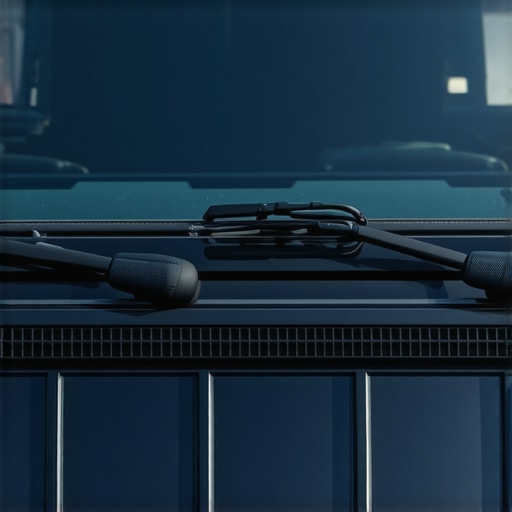
To spot a bad seal before the rain finds it, you must perform a visual autopsy of the work. First, check the cowl. This is the plastic panel at the base of the windshield where the wipers reside. If it is not seated flush against the glass, water will bypass the drainage system and dump directly onto your cabin air filter. Next, look at the moldings. They should be tight against the body. Any ‘rippling’ in the rubber indicates the glass was set too low or off-center. One of the most common signs of a rushed same-day service is the ‘dry set’ where the glass is dropped onto the glue without proper alignment, leading to one side having a massive gap while the other is tight against the metal. This creates stress concentrations that lead to spontaneous cracks when you hit a pothole.
“Installation is just as critical as the window performance itself. A high-performance window installed poorly will fail.” – AAMA Installation Masters Guide
The Sonic Test and Wind Noise
If the visual inspection passes, the next step is the auditory test. High-quality chip repair and glass installation should result in a cabin that is as quiet as the day it left the factory. If you hear a high-pitched whistle or a ‘fluttering’ sound at highway speeds, you have an air leak. This is often caused by a ‘skip’ in the urethane bead. Mobile service technicians sometimes run out of adhesive mid-bead and fail to overlap the new start with the old finish correctly. This creates a microscopic tunnel. You can test this by running a soapy water solution around the exterior seal while someone inside the car blows compressed air toward the edge. If you see bubbles, the seal is a failure. This air leak will eventually become a water leak, and in the winter, that water will freeze, expand, and shatter the glass from the inside out.
Final Verdict: The Installer Over the Brand
At the end of the day, the brand of the glass matters far less than the hands that set it. You can buy the most expensive OEM glass available, but if the installer doesn’t respect the Safe Drive-Away Time (SDAT) or fails to use a proper primer-less-to-auto-glass system in the correct humidity, the seal will fail. Don’t be fooled by the ‘same-day’ marketing if it means compromising on the curing process. A quality glass installer will explain the chemistry of the bond and the physics of the pinchweld. They won’t just ‘caulk-and-walk.’ They will ensure the glass is an integral part of your vehicle’s safety cage. If you see shortcuts, uneven beads, or a messy cowl, you aren’t just looking at a bad job; you are looking at a ticking clock of water damage and safety risk. Buy the numbers, respect the chemistry, and never settle for a seal that isn’t perfect.”