Why your windshield wipers are skipping over a new repair
The Friction Paradox: Why Smooth Glass Suddenly Stutters
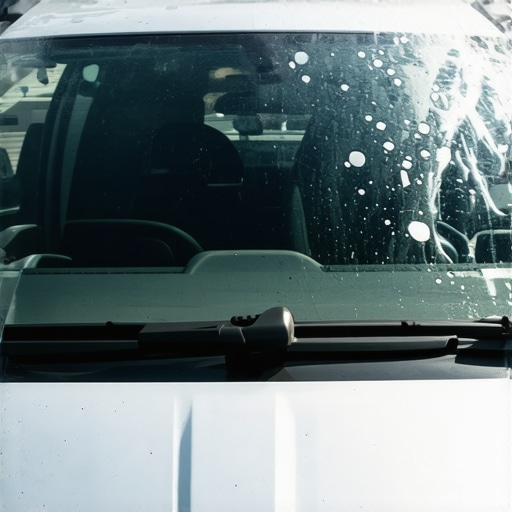
That irritating rhythmic thrumming of a wiper blade catching against the glass is more than a nuisance; it is a technical failure of surface geometry. As a master glazier with over two decades in the field, I have seen every iteration of glass failure, from the structural collapse of a high-rise curtain wall to the microscopic delamination of a mobile service chip repair. When your wipers skip over a newly repaired area, you are witnessing a conflict between the EPDM rubber of the blade and the polymer resin of the fix. This is not just about a bump in the road; it is about the physics of the refractive index and the Shore D hardness of the material used by your glass installer.
I remember a specific case in a high-humidity environment where a homeowner called me because their fleet of vehicles had all developed the same chatter after a ‘same-day’ repair marathon. I walked out with my digital micrometer and a high-intensity UV lamp. What I found was a classic case of improper leveling. The technician had rushed the vacuum cycle, leaving the resin ‘proud’ of the surface by less than three microns. In the glazing world, we deal with tolerances where a fraction of a millimeter determines whether a sash sits correctly in its rough opening or if a sill pan will actually direct water toward the exterior. With auto glass, that same minute variance causes the wiper blade to lose its laminar flow, creating a pocket of air that leads to the skip.
“Installation is just as critical as the window performance itself. A high-performance window installed poorly will fail.” – AAMA Installation Masters Guide
The Anatomy of the Pit: Why Resin Fails the Wiper Test
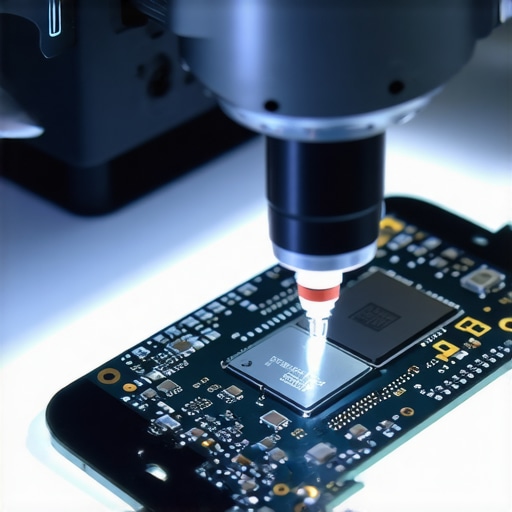
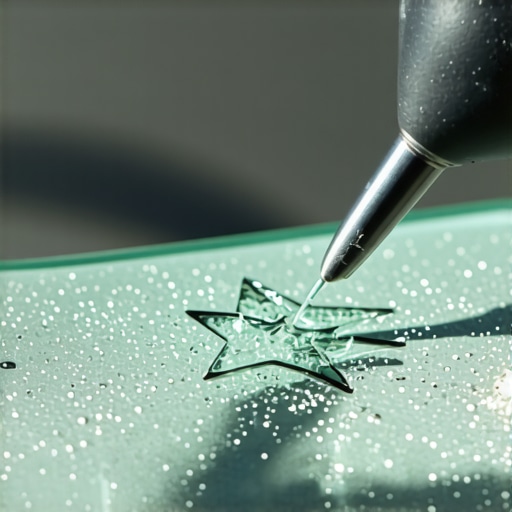
To understand the skip, we must perform a technical autopsy on the repair site. When a stone hits your windshield, it creates a void. A mobile service glass installer uses a bridge and injector to create a vacuum, pulling out the air and forcing in a clear anaerobic resin. This resin is designed to match the refractive index of the glass so the chip disappears. However, the top layer, known as the pit filler, must be cured under a specialized film to prevent oxygen inhibition. If the technician pulls that film too early or fails to use a fresh razor to plane the resin flush with the glass, you are left with a microscopic mountain. In architectural glazing, we don’t worry about wipers, but we do worry about how a glazing bead holds the glass against a muntin. In the automotive realm, the ‘frame’ or sash is fixed, but the surface remains operable via the wiper arm. If that surface isn’t perfectly planar, the rubber blade will catch, oscillate, and skip.
The climate plays a massive role in this chemistry. If you are in a cold, northern environment, the resin becomes more brittle. The U-Factor of the glass matters here because temperature differentials between the heated cabin and the freezing exterior cause the glass to expand and contract at a different rate than the resin. This is the same principle we see in triple-pane units where warm-edge spacers are required to prevent condensation. If the resin doesn’t have the same coefficient of thermal expansion as the borosilicate glass, the repair site will eventually heave or sink, creating a lip that the wiper blade hits like a speed bump.
Surface Tension and the Chemical Bond
We often talk about the Solar Heat Gain Coefficient (SHGC) in residential windows, but in a windshield, we are concerned with surface energy. A professional chip repair involves more than just filling a hole; it involves preparing the ‘rough opening’ of the crack so the resin can wick into the tightest micro-fractures. If the technician didn’t use a dry-out tool to remove moisture, the resin won’t bond. This is why ‘same-day’ service can be a gamble if it has been raining. Water trapped in the crack acts as a barrier, much like how failing flashing tape allows rot to start in a window header. When the wiper passes over this poorly bonded resin, the friction of the rubber can actually micro-lift the edges of the repair, leading to the skipping sound.
“Standard practice for installation of exterior windows and glass must account for the management of water and air pressure to ensure long-term durability.” – ASTM E2112
Correcting the Chatter: The Glazier’s Approach
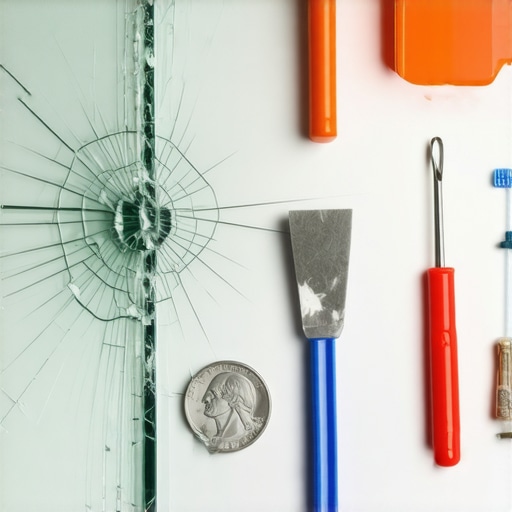
If your wipers are currently skipping, the fix isn’t necessarily a new windshield. It usually requires a technical re-leveling of the pit. We treat this like polishing a glazing bead or adjusting a shim in a complex window installation. You take a high-carbon steel razor blade, hold it at a strict 90-degree angle to the glass, and shave the excess resin using a single, decisive stroke. This removes the ‘proud’ material without scratching the surrounding glass. We then use a cerium oxide polishing compound to restore the surface tension. In the south, where the sun beats down and the SHGC is the primary enemy, we have to be careful with heat buildup during this polishing. If the glass gets too hot, the laminate layer (the PVB) can yellow or even bubble.
Ultimately, the quality of your chip repair depends on the technician’s understanding of glass as a dynamic material. It is not a static, dead substance. It moves, it breathes, and it reacts to the environment. Whether it is a weep hole in a bottom rail or the cowls and sill pan area of a vehicle, water management and surface integrity are the two pillars of glazing. Don’t settle for a repair that interferes with your visibility. A smooth sweep of the wiper is the only acceptable outcome for a true professional.