The truth about rice and wet electronics
The Truth About Rice and Wet Electronics: Why Professional Glass Service Beats DIY Myths
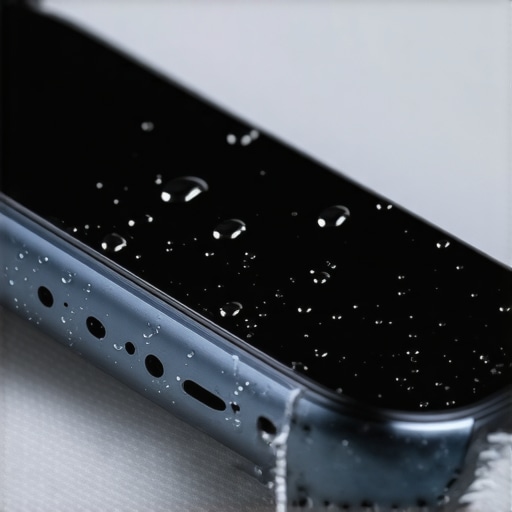
You have heard the old wives tale. You drop your smartphone in the sink, panic, and bury it in a bowl of white rice. You hope the grains will miraculously draw out the moisture before the logic board corrodes. In my twenty five years as a master glazier, I have seen homeowners apply this same flawed logic to their windows. They see condensation between the panes or a crack in the sash and think a bit of caulk or a dehumidifier is the cure. It is not. Just like the rice trick often fails because it cannot reach the internal corrosion, DIY window fixes ignore the fundamental physics of the Rough Opening and the Sill Pan. When moisture infiltrates an Insulated Glass Unit (IGU), the clock starts ticking on a total system failure. [image_placeholder_1]
The Condensation Crisis: A Master Glaziers Perspective
A homeowner called me in a panic because their new windows were ‘sweating.’ I walked in with my hygrometer and showed them the humidity was 60 percent. It wasn’t the windows; it was their lifestyle. They had a massive collection of tropical plants and a broken bathroom vent fan. This scenario happens more often than you think. People assume that if they see water on the glass, the window has failed. While that can be true if the water is between the panes, surface condensation is a matter of the Dew Point. In cold climates like Chicago or Minneapolis, the glass surface temperature often drops below the dew point of the interior air. If your interior humidity is too high, that water has to go somewhere. However, if that moisture is inside the unit, you are looking at a failed seal. The desiccant, which is the technical equivalent of that rice in the phone bowl, is housed inside the spacer bar. This molecular sieve is designed to absorb minute amounts of moisture that permeate the primary seal over decades. Once that desiccant is saturated, the window is effectively dead. No amount of ‘rice’ or DIY drying will save it.
“Installation is just as critical as the window performance itself. A high-performance window installed poorly will fail.” – AAMA Installation Masters Guide
The Installation Autopsy: Why Windows Leak
When I perform an installation autopsy on a leaking window, the culprit is rarely the glass itself. It is the water management system. Every window installation must follow the Shingle Principle. This means every layer of the building envelope must overlap the one below it so that water is shed to the exterior. I often find that ‘caulk-and-walk’ installers have skipped the Sill Pan. A sill pan is a flashing component that sits at the bottom of the Rough Opening. It is sloped toward the exterior and has a back dam to prevent water from reaching the interior framing. If water gets past the Flashing Tape or the Drip Cap, the sill pan is your last line of defense. Without it, water sits on the wooden header, leading to rot that can compromise the structural integrity of your wall. This is why a glass installer who understands the full assembly is vital. We don’t just put glass in a hole; we manage a complex thermal and hydraulic barrier.
The Science of the Seal: Why Same-Day Mobile Service Matters
When you have a chip repair or a small crack, you might think you can wait. But glass is a dynamic material. It expands and contracts with every degree of temperature change. This is the Coefficient of Thermal Expansion. In a cold climate, the exterior pane of an IGU might be zero degrees while the interior is seventy. This creates massive Thermal Stress. A small chip acts as a stress concentrator. If you don’t call for same-day mobile service, that chip will propagate into a full-length crack across the Sash. Once the glass cracks through, the Argon gas fill escapes. Argon is used because it is denser than air and reduces the convective heat transfer between the panes. When the gas is gone and replaced by moist air, your U-Factor (the measure of heat loss) skyrockets. You are essentially paying to heat the outdoors.
NFRC Ratings and the Cold Climate Logic
In the North, we obsess over the U-Factor. A lower U-Factor means the window is a better insulator. We want Triple-pane units with a Low-E coating on Surface 3. This reflects the long-wave infrared radiation from your heater back into the room. If the installer misplaces the Shim or fails to level the Rough Opening, the window frame can twist. This twist prevents the weatherstripping from making full contact when the window is closed, leading to air infiltration. Air leaks will tank your energy efficiency faster than a poor U-Factor ever could.
“The thermal performance of a fenestration system is dependent on both the glass and the frame, which must be evaluated as a single unit to ensure accurate U-factor reporting.” – NFRC 100 Technical Procedure
The Glazing Bead and Water Exit Strategies
An operable window, like a casement or a double-hung, relies on Weep Holes. These are small ports at the bottom of the frame designed to let water out. I have seen countless homeowners and amateur painters plug these holes with caulk or paint, thinking they are ‘sealing’ the window. This is a recipe for disaster. When water cannot exit the frame, it backs up over the Glazing Bead and into the interior of your home. A professional glass installer ensures that these weep systems are clear and functional. We understand that we cannot stop 100 percent of water from entering the outer layers of a window, so we must provide a clear path for it to leave. This is the difference between a technician and a master.
The Math of Replacement vs. Repair
I often have to tell homeowners that their ROI on new windows is longer than they think. If you are replacing windows solely for energy savings, it might take twenty years to break even. However, you are paying for comfort. A window with a warm-edge spacer and proper Flashing Tape eliminates that ‘drafty’ feeling. It stabilizes the interior glass temperature so you don’t feel the radiant cold in January. When you consider same-day mobile service for a chip repair, you are protecting that investment. It is much cheaper to repair a small defect than to replace an entire Sash or a custom-sized IGU. Don’t fall for the ‘rice’ myths of the window world. If your glass is compromised, the physics of the unit are compromised. Call a specialist who knows the difference between a Muntin and a meeting rail, and who understands that a window is a high-performance machine, not just a piece of glass.