Why you shouldn’t use a hair dryer on a wet smartphone
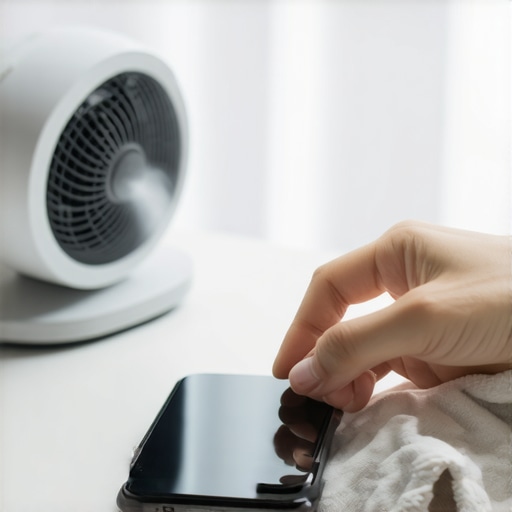
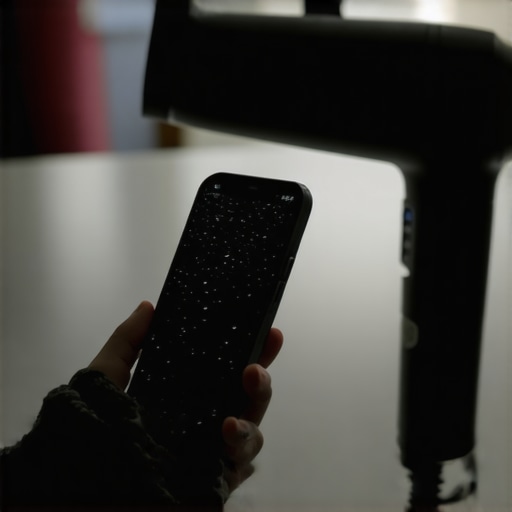
The instinct to grab a hair dryer when your smartphone takes a plunge is understandable but scientifically reckless. As a master glazier with a quarter-century in the field, I have seen exactly what happens when people apply uncontrolled heat to multi-layered glass and electronics composites. Whether it is a smartphone screen or a high-performance Insulated Glass Unit (IGU), the physics of thermal stress remain the same. Applying a concentrated blast of heat from a hair dryer creates a localized thermal gradient that can lead to catastrophic failure of the glass and the underlying adhesives. This is why a professional glass installer will never suggest high-heat DIY methods for chip repair or moisture removal. Instead of fixing the problem, you are likely to crack the glass and melt the glazing bead or the internal gaskets that keep the device or window airtight.
The Condensation Crisis and the Misunderstood Dew Point
A homeowner called me in a panic because their new windows were ‘sweating’ and they were tempted to use a heat gun to dry them out. I walked in with my hygrometer and showed them the humidity was 60%. It wasn’t the windows; it was their lifestyle. They were boiling pasta and running a humidifier in a sealed environment. When you see moisture, your first thought might be to dry it with heat, but if you do that to a smartphone or a window, you are inviting thermal shock. In the glazing world, we deal with the dew point every day. Condensation occurs when the temperature of a surface falls below the dew point of the surrounding air. By blasting a wet phone with a hair dryer, you aren’t just evaporating water; you are forcing it deeper into the internal components as vapor, which then condenses on cooler internal surfaces like the camera lens or the logic board once the heat is removed. This is the same reason we tell people not to use heat to clear a fogged window. If the seal is broken and moisture is inside the IGU, heat only increases the internal pressure, potentially blowing the secondary seal.
“Installation is just as critical as the window performance itself. A high-performance window installed poorly will fail.” – AAMA Installation Masters Guide
Thermal Expansion and the Science of Glass Failure
Glass is a poor conductor of heat. When you point a hair dryer at a specific spot on a smartphone screen, that area expands rapidly while the surrounding glass remains cool. This creates a massive amount of tension at the boundary between the hot and cold zones. If this tension exceeds the modulus of rupture of the glass, it will snap. This is a thermal stress crack. A professional glass installer knows that when performing a chip repair, temperature management is the most critical factor. In our mobile service units, we use specialized resins that are designed to flow into the break at specific ambient temperatures. If the glass is too hot, the resin cures prematurely and won’t bond. If you have a chip in your glass and you hit it with a hair dryer, the expansion will almost certainly turn that tiny chip into a massive crack that spans the entire surface. Same-day service is only possible when we control the environment, often using shades to keep the glass at a stable temperature before the repair begins.
Solar Heat Gain and Surface Chemistry
In hot climates, managing heat is the primary goal of any glazing system. We focus heavily on the Solar Heat Gain Coefficient (SHGC). In these regions, we place Low-E coatings on Surface #2 of the glass. For those unfamiliar with the terminology, Surface #1 is the exterior face, and Surface #2 is the inner face of the outer pane in a double-pane unit. By putting the coating on Surface #2, we reflect the sun’s radiant energy before it can even cross the air gap. When you use a hair dryer on a device, you are essentially creating an artificial high-SHGC environment. The radiant heat from the dryer passes through the glass and is absorbed by the dark components of the phone, such as the battery or the screen’s backplane. This can cause the battery to swell or the adhesives holding the screen to the frame to fail. In the world of windows, we use a sill pan to ensure that any water that does get past the primary seal is directed back outside through a weep hole. A smartphone has no such drainage system. Once you drive that moisture deep into the chassis with a hair dryer, it has nowhere to go.
“The selection of glass type and its thermal properties must be matched to the local climate to ensure longevity and energy efficiency.” – NFRC Performance Standards
Why Mobile Service and Same-Day Repair Require Professional Tools
When you call for same-day mobile service for a glass repair, you aren’t just paying for the resin; you are paying for the technician’s ability to manage the physics of the repair site. A professional glass installer uses a bridge and injector system to vacuum air out of the chip before introducing the resin. This is the opposite of what a hair dryer does. A hair dryer blows air (and dust, and hair) into the crevices. If you have moisture in a device or a glass assembly, the professional approach is desiccation or vacuum extraction, not forced heated air. We often use shims to perfectly align an operable sash within a rough opening to ensure that the weatherstripping makes consistent contact. If the frame is warped by heat, no amount of shimming will make it airtight again. The same logic applies to the structural integrity of your phone. High heat can warp the plastic or thin metal components that hold the glass in place, leading to a permanent loss of the factory seal.
The Role of Adhesives and the Glazing Bead
In modern window construction, the glazing bead is what holds the glass in the sash. These are often made of vinyl or composite materials that have a much lower melting point than the glass itself. If you were to use a hair dryer to try and dry out the edge of a window, you could easily deform the glazing bead, leading to air leaks and water penetration. In a smartphone, the glass is often held in place by extremely thin strips of pressure-sensitive adhesive. These adhesives are designed to withstand normal operating temperatures, but the 140-degree air from a hair dryer can cause them to soften and shift. This is why professional repair shops use controlled heating plates that distribute heat evenly across the entire surface when they actually need to open a device. They never use a concentrated point-source of heat like a hair dryer. For a glass installer, ensuring the flashing tape and sill pan are correctly installed in the rough opening is what prevents the need for any kind of drying later on. Proper water management is a science of gravity and membranes, not a science of evaporation.
Conclusion: Trust the Physics, Not the Shortcuts
Whether you are dealing with a cracked windshield, a foggy window, or a wet smartphone, the physics of glass and moisture do not change. Localized heat is the enemy of structural integrity. A chip repair should be handled by a mobile service professional who understands how to stabilize the glass. If you are worried about energy efficiency in a hot climate, look at your SHGC numbers and ensure your Low-E coating is on Surface #2. And if you drop your phone in the water, skip the hair dryer. You cannot beat the dew point with a blast of hot air; you can only cause more damage through thermal expansion and moisture migration. Keep your heat tools for your hair and let the glass experts handle the glazing.