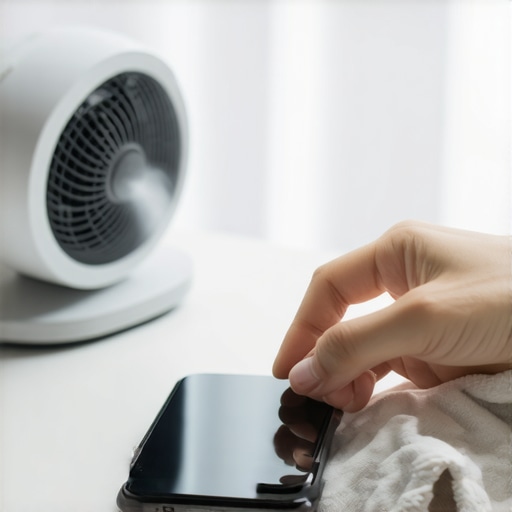
How to dry out your phone correctly without using a bowl of rice
The Glazier’s Perspective: Why Rice is the ‘Caulk-and-Walk’ of Phone Repair
I have spent over 25 years as a master glazier, and if there is one thing I know, it is that moisture is a persistent enemy. I have seen water infiltrate the most expensive high-rise curtain walls and rot out the headers of historic wood sash windows because an installer thought a bead of cheap caulk was a substitute for proper flashing. When I see people recommending that you put a wet smartphone in a bowl of rice, it triggers the same professional frustration. It is a ‘caulk-and-walk’ solution: a low-effort myth that ignores the fundamental physics of moisture management. Just as a window is a hole in a wall that must manage heat and water, a phone is a precision-engineered enclosure where the glass, frame, and seals must work in perfect harmony to maintain a hermetic environment. When that environment is breached, you do not need a pantry staple; you need a desiccation strategy.
A homeowner called me in a panic because their new windows were ‘sweating.’ I walked in with my hygrometer and showed them the humidity was 60 percent. It wasn’t the windows; it was their lifestyle: they were running a humidifier in a sealed room without any ventilation. It is the same with a phone that has taken a plunge. The ‘sweat’ you see under the camera lens or the glass screen is not just water; it is a crisis of relative humidity trapped within a structure that has no natural way to breathe. To dry a device, you must understand the vapor pressure gradient, much like we understand the dew point in a double-pane insulated glass unit.
“Installation is just as critical as the window performance itself. A high-performance window installed poorly will fail.” – AAMA Installation Masters Guide
The Physics of the ‘Rough Opening’: Why Rice Fails
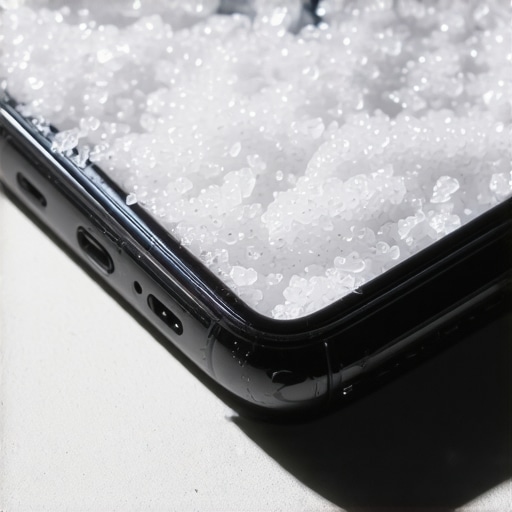
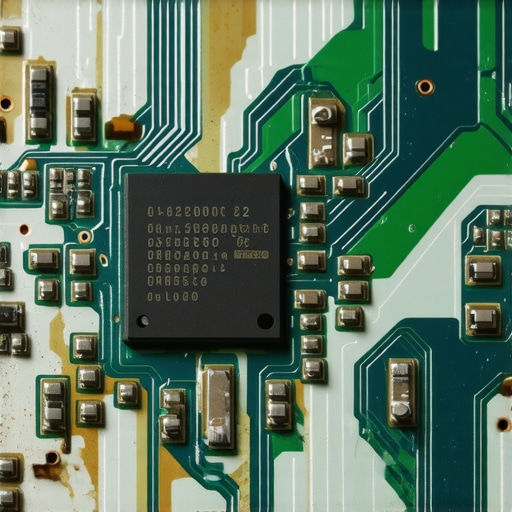
In the glazing world, the Rough Opening is the space where we fit the window. In your phone, every port, speaker grille, and button is a miniature rough opening. When you submerge the device, surface tension and capillary action pull water into these gaps. Rice is a poor desiccant because it lacks the surface area and the molecular affinity for water vapor required to pull moisture out of these tight tolerances. Furthermore, rice contains starch and dust. Introducing fine particulates into a device with sensitive internal muntins and delicate circuitry is like throwing sand into the glazing bead of a high-performance slider. It creates a ‘gunk’ that can trap moisture against the logic board, leading to long-term corrosion that no mobile service technician can easily fix.
Instead of rice, you need to think like a professional glass installer. When we build an Insulated Glass Unit (IGU), we use a molecular sieve hidden within the spacer bar. This is a high-grade desiccant specifically designed to adsorb any residual moisture trapped between the panes. To dry your phone correctly, you must replicate this industrial process. You are looking for silica gel or a similar synthetic desiccant that can lower the internal humidity to near-zero, creating a vapor pressure vacuum that draws the liquid water out of the device’s internal sash and frame.
The Restoration Protocol: Managing the Internal Climate
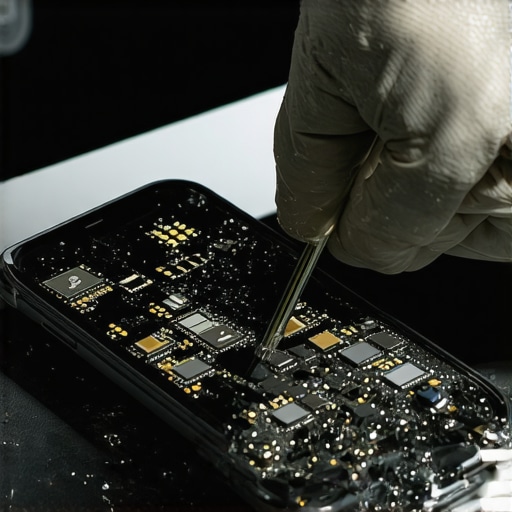
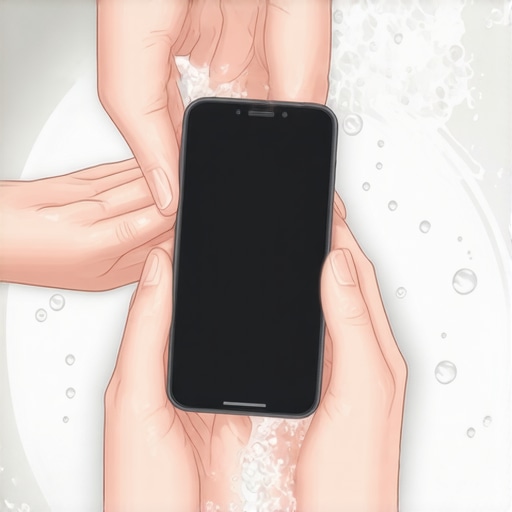
If your phone has been exposed to water, the first step is to manage the operable parts. Just as you wouldn’t leave a window open during a rainstorm, you must immediately power down the device to prevent short-circuiting. If you have a cracked screen, the situation is more dire. A crack in the glass is a breach in the primary seal. This is where chip repair and same-day glass installation knowledge becomes vital. A breach allows water to bypass the flashing tape and gaskets that usually protect the electronics. If the glass is compromised, do not attempt to ‘dry’ it yourself with heat; you will only drive the moisture deeper into the assembly.
The correct method involves airflow and desiccation. If you have ever seen a weep hole in a window frame, you know it is designed to let water out while allowing air to circulate. Your phone lacks weep holes, so you must create an artificial environment of low humidity. Place the device in a sealed container with several large packets of silica gel. This creates a dry ‘micro-climate’ where the water molecules are encouraged to transition from a liquid state to a vapor state, where they are then captured by the desiccant. This process takes time, often 48 to 72 hours, which is much longer than the average person’s patience allows. However, as any glazier will tell you, rushing the drying process is how you end up with mold in the walls or a dead motherboard.
“Water penetration is the primary cause of premature failure in fenestration assemblies.” – ASTM E2112
The Role of the Mobile Glass Installer
There are times when the moisture has already done its damage to the glazing bead or the adhesive holding the screen in place. Modern smartphones use advanced adhesives that act as a sill pan, catching moisture before it hits the internal components. If these seals are old or if the phone has been dropped, their effectiveness is reduced. This is why same-day service from a glass installer is often necessary after a water event. We can assess if the structural integrity of the ‘glazing’ is still intact. If you see fogging inside the camera lens that does not go away after desiccation, the ‘seal is blown,’ much like an old double-pane window that has turned milky. At that point, the assembly must be opened, cleaned, and re-sealed by a professional who understands the importance of a clean rough opening.
In conclusion, stop treating your expensive electronics like a side dish. Use the principles of professional glazing: prioritize the seal, manage the vapor pressure, and never rely on a ‘quick fix’ that ignores the laws of physics. If you have a chip repair need or a cracked screen that is letting the elements in, call a professional mobile service to ensure the job is done with the precision that a master glazier would expect. Your phone is a window into your world; keep it dry, keep it sealed, and keep the rice in the kitchen.