Why your phone camera lens is foggy inside
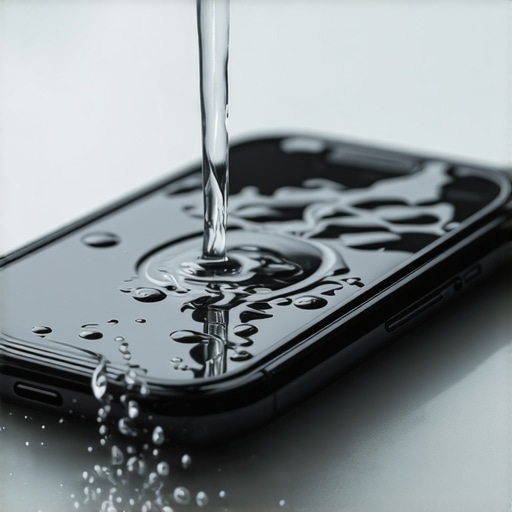
The sight of a hazy, blurred image when you try to capture a moment is more than a nuisance. It is a visual manifestation of a physics failure that glaziers deal with on a massive scale. When you ask why your phone camera lens is foggy inside, you are really asking about the integrity of a hermetic seal and the saturation of internal desiccants. As a master glazier with a quarter-century of experience handling everything from residential sash replacements to high-performance curtain walls, I can tell you that the physics of a foggy phone lens and a failed insulated glass unit (IGU) in a skyscraper are nearly identical. Both rely on a controlled internal environment that has been compromised by the ingress of moisture-laden air.
“Condensation is not a window manufacturer defect, but rather a result of excess humidity in the home or a failure of the unit’s seal to manage vapor pressure.” – NFRC (National Fenestration Rating Council) Consumer Guide
A homeowner called me in a panic last autumn because their newly installed patio doors were ‘sweating’ between the panes. I walked in with my digital hygrometer and a thermal imaging camera. I showed them that the internal humidity was hovering at 62 percent while the outdoor temperature had plummeted. It was not a window defect; it was their lifestyle choices and the home’s lack of mechanical ventilation. However, when that fog is inside a sealed camera lens or a double-pane window, the diagnosis changes from environmental management to structural failure. In the glazing world, we call this a seal breach. Inside your phone, a tiny gasket or adhesive bond has failed, allowing the dew point to be reached inside the lens assembly.
The Physics of the Fog: Vapor Pressure and the Dew Point
To understand why moisture is trapped, we have to look at vapor pressure. Air is like a sponge; the warmer it is, the more water it can hold. When that warm, moist air finds its way into a cool, sealed environment, it eventually hits the dew point. This is the temperature at which the air can no longer hold its water vapor, and it condenses into liquid droplets on the nearest surface. In a window, this often happens because of a process called solar pumping. Throughout the day, the sun hits the glass, heating the air or gas (like Argon) between the panes. This causes the unit to expand, putting immense pressure on the primary seal, usually made of polyisobutylene (PIB). At night, the unit cools and contracts. Over thousands of cycles, if the seal has a microscopic flaw, it will eventually ‘breathe’ in moist air. Your phone undergoes a similar cycle as it moves from an air-conditioned room to the humid outdoors or heats up during a rapid charge. Once that moisture is inside, it has no way to escape, and the internal desiccant, which is a material designed to soak up small amounts of moisture, becomes saturated.
The Mobile Service Solution: Chip Repair and Seal Integrity
In my years of mobile service, I have seen how critical it is to address glass issues the moment they appear. Whether it is a chip in a windshield or a crack in a high-performance architectural pane, time is the enemy. When you require a glass installer for a chip repair, you are not just fixing a cosmetic blemish. You are restoring the structural integrity of the glass and preventing the ‘running’ of a crack that could lead to a full-system failure. Same-day mobile service is essential because temperature fluctuations will cause that chip to expand. We use high-viscosity resins that are injected under vacuum pressure to displace the air and bond the glass back together. This same logic applies to specialized optics. While you cannot usually ‘repair’ a phone lens seal in the field, understanding the importance of a same-day response for glass integrity is a universal rule in the glazing trade.
Anatomy of a Sealed Unit: From Glazing Beads to Desiccants
When we build a window, we don’t just throw glass into a frame. We use a series of components designed to manage water and air. The glass sits in the sash, held by a glazing bead. Below the IGU, we often install a sill pan. This is a critical line of defense that ensures any water that bypasses the primary seals is directed back outside through a weep hole. If an installer ignores the sill pan or fails to use proper flashing tape around the rough opening, the glass might stay clear, but the wall underneath will rot. In the case of foggy optics, the ‘frame’ is the phone’s chassis, and the ‘glazing’ is the tiny sapphire or glass cover. When you see fog, it means the secondary seal, often a specialized adhesive, has degraded. This is why professional installers are so intolerant of the ‘caulk-and-walk’ crowd. Using a generic silicone where a high-performance structural sealant is required is a recipe for a moisture crisis six months down the line.
“Installation is just as critical as the window performance itself. A high-performance window installed poorly will fail to meet energy and moisture resistance standards.” – AAMA Installation Masters Guide
Climate Logic: Why Your Location Matters
If you are in a cold climate like Chicago or Minneapolis, the enemy is heat loss. We focus on the U-Factor, which measures how well a window prevents heat from escaping. In these zones, we want Low-E coatings on Surface 3 of the glass to reflect heat back into the room. Condensation here is often a sign that the warm-edge spacer, the piece that separates the glass panes, is not performing, allowing the edge of the glass to get cold enough to hit the dew point. Conversely, in the hot South, we are fighting Solar Heat Gain (SHGC). We want the Low-E coating on Surface 2 to reflect the sun’s infrared radiation before it even enters the house. If you are seeing fog in a hot, humid climate like Florida, it is often because the cool, air-conditioned interior of the glass is causing moisture from the heavy outdoor air to condense on the exterior or inside the seal if it is compromised. This is why mobile service technicians must understand local psychrometrics before recommending a fix.
The Myth of the Quick Fix
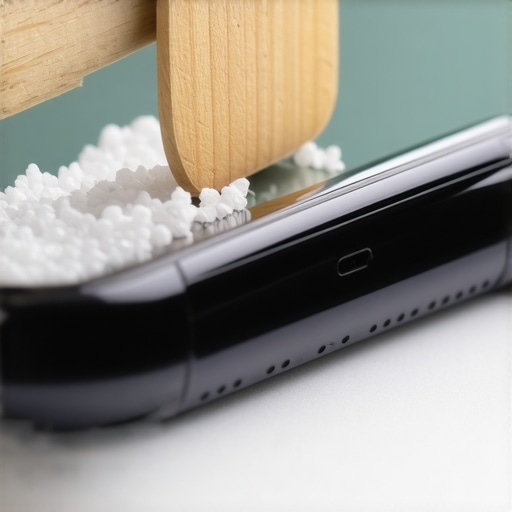
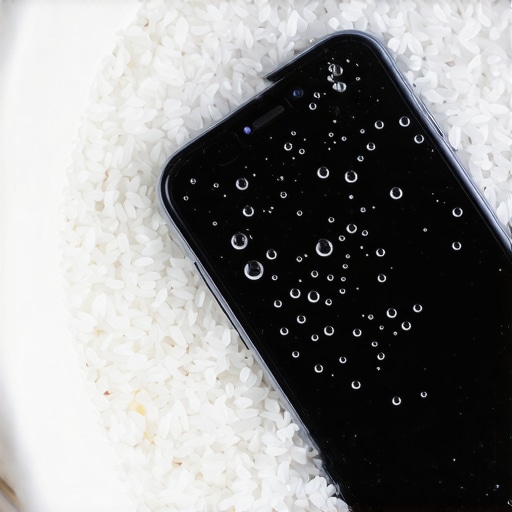
I often hear people suggest putting a foggy phone in a bag of rice. In the glazing world, that is the equivalent of putting a towel on a leaking windowsill and calling it a day. Rice is a poor desiccant compared to the molecular sieves (zeolites) we use inside window spacers. While it might pull some surface moisture, it will not repair the failed seal that allowed the moisture in. For an IGU, the only real fix for internal fogging is a full replacement of the glass unit. You cannot ‘clean’ the inside of a double-pane window because the moisture leaves behind mineral deposits and ‘scumming’ that etches the glass. Similarly, for a camera lens, once the internal desiccant is saturated and the seal is blown, the assembly usually needs a professional teardown or replacement to restore optical clarity.
The Glazier’s Final Word on Glass Integrity
Whether you are dealing with a microscopic lens or a ten-foot floor-to-ceiling window, the principles of glazing remain the same. You must manage the rough opening, ensure the sash is square, and never rely on a single line of defense. A quality glass installer knows that the best mobile service is the one that identifies the root cause, whether it is a blocked weep hole or a failed PIB primary seal. Fog is a signal. It tells you that the barrier between ‘controlled’ and ‘uncontrolled’ environments has vanished. Respect the physics of the dew point, invest in high-quality sealants, and never settle for an installer who does not understand the importance of a proper sill pan and flashing system. In the world of glass, clarity is a result of meticulous engineering and even more meticulous installation. Stay dry, keep your seals tight, and remember that when it comes to glass repair, the details you cannot see are the ones that matter most.