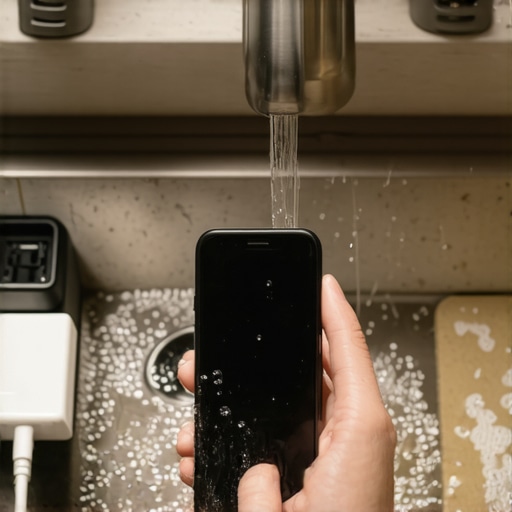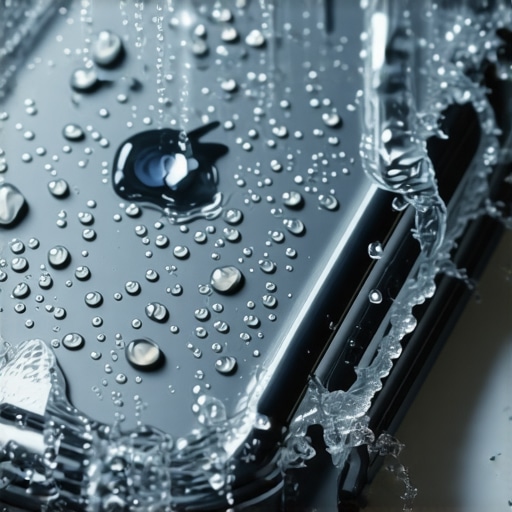
How moisture gets inside a sealed phone
The Myth of the Permanent Seal
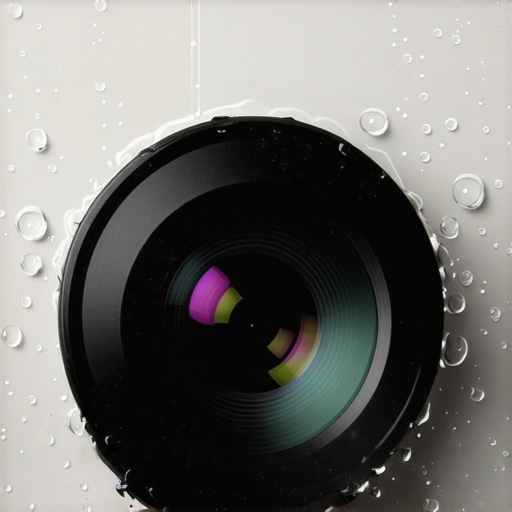
As a Master Glazier with over a quarter-century in the trade, I have seen every way a hole in a wall can fail. But lately, I am seeing the same physics-based failures in the palm of a hand. When someone brings me a device or asks about a foggy screen, they often believe their ‘sealed’ unit is a vacuum-tight fortress. It is not. Whether it is a triple-pane IGU in a high-rise or the glass assembly on a mobile device, the laws of thermodynamics do not take a day off. A homeowner called me in a panic because their new windows were sweating. I walked in with my hygrometer and showed them the humidity was 60 percent. It was not the windows: it was their lifestyle. We see the same thing with mobile glass. You take a device from a 70-degree air-conditioned room into a 95-degree humid afternoon, and you are inviting a dew point crisis. Most people do not realize that moisture does not always liquid-leak into a device: it often migrates as a gas. As a glass installer, I look at the glazing bead of a phone the same way I look at a curtain wall. If there is a microscopic breach, the vapor pressure will equalize, and that is when the trouble starts.
“Installation is just as critical as the window performance itself. A high-performance window installed poorly will fail.” AAMA Installation Masters Guide
The Physics of the Rough Opening: Why Seals Fail
In the world of windows, we talk about the rough opening: the space where the window sits. In a phone, the frame acts as that rough opening. The glass is held in place by a structural adhesive that functions exactly like a glazing bead. However, unlike a house, your phone lives in your pocket, a high-humidity microclimate. When you have a small chip in the corner of your screen, you might think it is just cosmetic. It is not. That chip is a breach in the thermal envelope. As a specialist in chip repair, I can tell you that even a hairline fracture creates a capillary path. Water is a polar molecule: it wants to climb into those tight spaces. Once it sits in that fracture, the next time the device heats up from the processor or the sun, that liquid turns to gas. Because the rest of the unit is still mostly sealed, that gas has nowhere to go. It hits the coldest surface: the underside of the glass: and condenses. This is the same reason you see fogging in a failed insulated glass unit where the desiccant has reached its saturation point.
Vapor Drive and the Thermal Bridge
If you live in a cold climate like Chicago or Minneapolis, you understand heat loss. In those regions, the U-Factor is the king of metrics. We want to keep the heat inside. But moisture moves from warm to cold. This is called vapor drive. If your phone is warm from use and you step out into the freezing air, the internal pressure drops, creating a slight vacuum. If your glazing bead is compromised or if you have skipped a necessary chip repair, that vacuum will suck in the moist ambient air. Once that air is inside, the drop in temperature hits the dew point instantly. I see this all the time with low-quality mobile service providers who do not understand the shingle principle. They slap a new screen on, forget the primary seal, and the first time the user goes from a warm car to a cold sidewalk, the screen is a foggy mess. Water management is a science, not a suggestion. You cannot just caulk-and-walk a glass repair, whether it is a storefront or a smartphone.
“Condensation is not a window defect; it is a symptom of excess humidity and a thermal bridge.” NFRC Residential Guide
The Danger of Same-Day ‘Caulk-and-Walk’ Repairs
We live in a culture that demands same-day results. While mobile service is convenient, speed often comes at the expense of proper flashing and sealing. When I replace a sash in a historic home, I have to ensure the sill pan is clear and the weep holes are functional. A phone does not have weep holes: it is a closed system. This means if a technician performs a screen replacement in a humid environment, they are literally sealing that humidity inside the device. It is a locked-in failure. As a professional glass installer, I always tell my clients that the environment of the repair is just as important as the part itself. If the technician does not use a clean-room environment or at least a controlled-humidity space, that same-day repair will lead to a next-week failure. The adhesive needs time to cure to reach its full hydrophobic potential. Rushing the shim placement or failing to clean the rough opening of the frame ensures that the new seal will have microscopic voids. These voids are the highways for future moisture ingress.
Structural Integrity and the Expansion Coefficient
Everything expands and contracts. In the glazing industry, we use expansion joints to make sure a large pane of glass does not shatter when the sun hits it. Your phone is made of different materials: glass, aluminum, and plastic: all of which have different expansion coefficients. When the device gets hot, these materials grow at different rates. This puts immense stress on the glazing bead. If you have a small chip, that stress concentrates at the point of the chip. This is why chip repair is critical. A chip is a structural weak point that allows the frame to flex away from the glass. Once that bond is broken, you no longer have a sealed unit. You have a sieve. For those in the South where the Solar Heat Gain Coefficient is the primary concern, the radiant heat from the sun can bake the adhesives until they become brittle. Once brittle, they crack under the pressure of thermal expansion, and the humidity of the Gulf Coast or the Florida panhandle rushes in. You need a glass installer who understands that the chemical composition of the sealant must match the environmental stressors of the region.
How to Manage a Compromised Seal
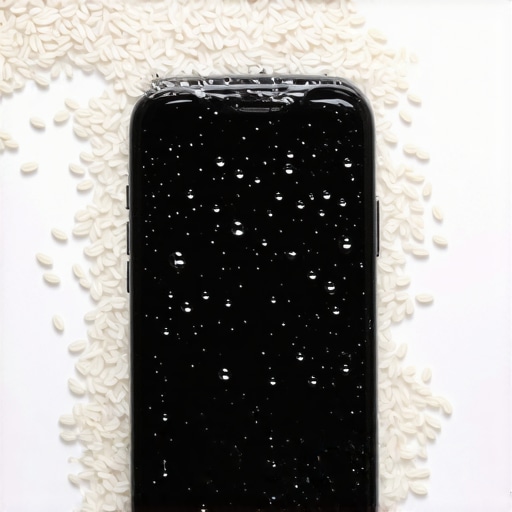
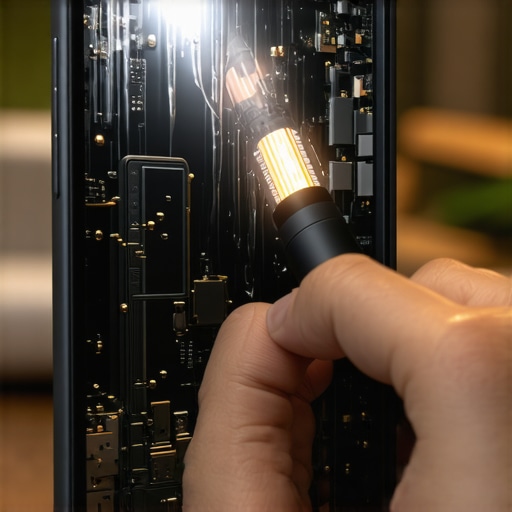
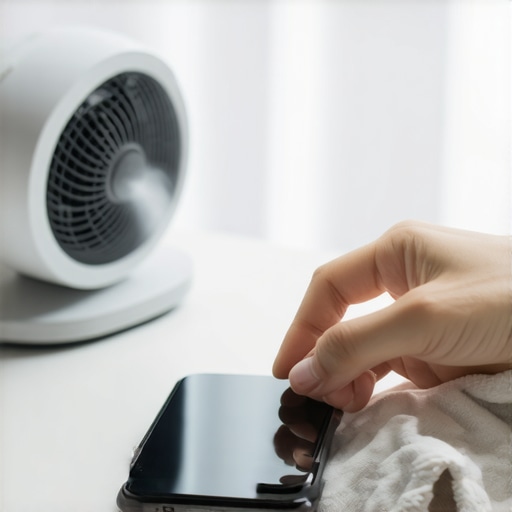
If you see moisture, the seal is already gone. There is no such thing as a partial seal in a high-performance glass unit. The first step is to address any visible damage. A professional chip repair can sometimes stabilize the glass, but if the moisture is already inside, the unit must be opened, dried in a desiccated chamber, and resealed. Do not trust the ‘rice’ myth. Rice cannot pull moisture out of a sealed unit through a microscopic hole fast enough to prevent corrosion of the internal components. You need a technician who treats the device like a high-end glazing project. They should inspect the frame for warping: the rough opening must be square. They must ensure the new glazing bead is continuous without any gaps. And most importantly, they must perform the repair in a low-humidity environment to ensure the air trapped inside is dry. This is the difference between a hack job and a professional glass installation. We are not just fixing glass: we are managing an envelope. Whether it is a forty-story building or a device in your pocket, the goal is the same: keep the outside out and the inside in.