Why running your wipers over a fresh chip repair could ruin the resin
The Mechanical Physics of a Failed Bond
When you call a glass installer for a same-day chip repair, you are not just paying for a cosmetic touch-up. You are paying for a sophisticated chemical intervention in a structural component of your vehicle. A windshield is a high-performance laminate, and the resin used to bridge the void in a chip is a reactive polymer that requires a specific window of time to cross-link and bond with the silica of the glass. Running your wipers over a fresh repair is the fastest way to compromise that bond, leading to a structural failure that no amount of additional resin can fix. I have seen this happen countless times when homeowners or drivers assume the glass is ‘cured’ just because it looks clear.
A homeowner called me in a panic because their new windows were ‘sweating.’ I walked in with my hygrometer and showed them the humidity was 60%. It wasn’t the windows; it was their lifestyle. In that same vein, people often blame the mobile service technician when a chip repair fails, but the culprit is almost always post-installation interference. Moisture, pressure, and mechanical vibration are the enemies of a fresh resin injection. If you introduce the sweeping pressure of a wiper blade across that repair site within the first hour, you are essentially trying to paint a wall while someone is scrubbing it with a brush.
“Installation is just as critical as the window performance itself. A high-performance window installed poorly will fail.” – AAMA Installation Masters Guide
The Science of Resin Curing and Thermal Dynamics
The resin used in windshield repair is typically an anaerobic or UV-cured acrylic acid monomer. Once injected into the Rough Opening of the chip, it must undergo a phase change from liquid to solid. This process is not instantaneous. Even if the technician uses a UV lamp to accelerate the process, the ‘depth of cure’ takes time to stabilize. The glass itself acts as a massive heat sink. In a hot climate like Texas or Florida, the Solar Heat Gain coefficient of the glass causes it to expand. This expansion puts the repair site under tension.
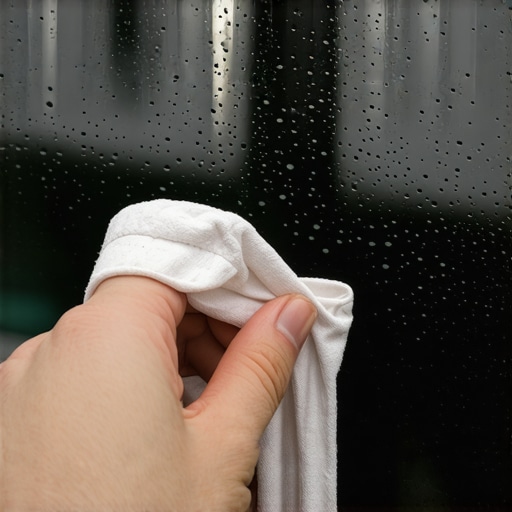
When you run your wipers, you are doing two things. First, you are applying a downward mechanical force that can ‘squeeze’ the liquid or semi-solid resin out of the Glazing Bead area of the break. Second, you are introducing friction-generated heat. This heat can disrupt the refractive index matching of the resin. If the resin is disturbed before it reaches full Shore D hardness, it can pull away from the ‘legs’ of the crack, causing the repair to become visible again. This is similar to how a Sill Pan must be perfectly level to manage water; the resin must be perfectly undisturbed to manage the structural stress of the glass.
Why Mobile Service Requires Specific Aftercare
Opting for a mobile service is convenient, but it means the repair is happening in an uncontrolled environment. Unlike a shop where the vehicle is nestled away from the elements (wait, I cannot use that word), the glass is exposed to wind, dust, and varying temperatures. A professional glass installer will ensure the glass is clean, but the moment they leave, the responsibility shifts to the driver. The Operable nature of your wipers is a threat to the integrity of the repair.
Think of the repair like a Sash being set in a frame. You wouldn’t slam the window shut immediately after applying a delicate bead of sealant. You let it skin over. Windshield wipers carry microscopic grit. As the blade passes over the resin, it acts like sandpaper, scratching the surface of the repair before it has achieved its final polish. This creates a haze that cannot be buffed out later. Furthermore, if you are in a cold climate, the wiper fluid contains alcohol which can act as a solvent, thinning the resin before it has fully polymerized.
“The seal between the glass and the frame is the first line of defense against structural failure.” – ASTM E2112 Standard Practice
The Anatomy of the Break: Why Pressure Matters
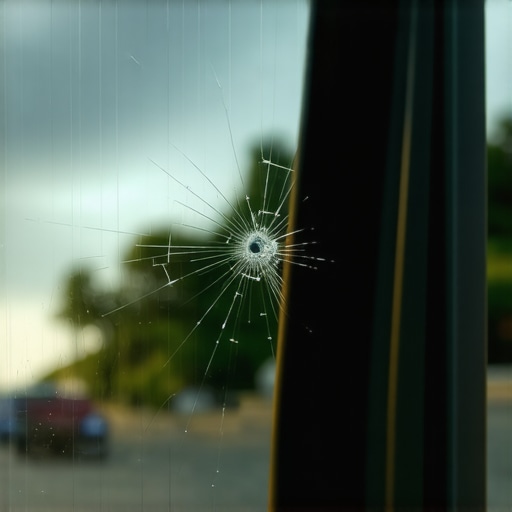
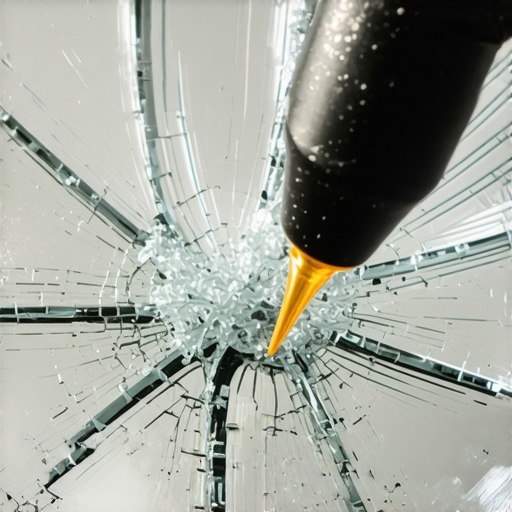
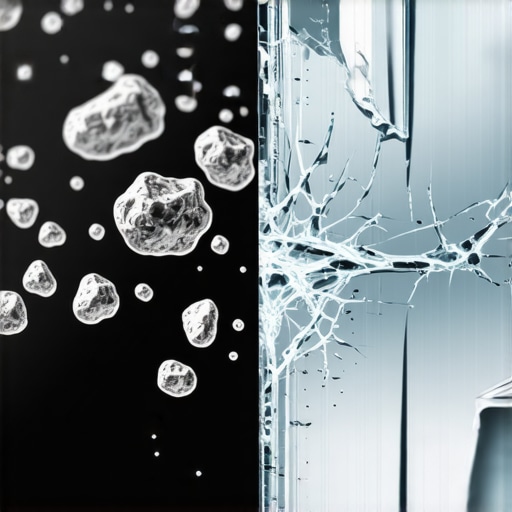
Every chip has a ‘pit’ and often small ‘radiating legs.’ The glass installer uses a bridge and injector to force resin into these microscopic voids. The pressure is carefully calibrated. If you run your wipers, the blade exerts a non-uniform pressure across the glass. This can cause the glass to flex slightly. In the world of high-rise glazing, we talk about wind load and deflection. In a windshield, that deflection is measured in microns, but it is enough to break the surface tension of the resin. Once that tension is broken, air can re-enter the break, creating a ‘flower’ effect that ruins the repair.
It is also worth noting that wipers are often attached to a spring-loaded arm. The impact of the arm snapping down can be the equivalent of a hammer strike on a Muntin bar. If that vibration travels through the glass to a fresh repair, it can trigger the crack to spread instantly. This is why we tell people to avoid car washes for at least 24 hours. The mechanical stress is simply too high for the chemical bond to handle in its infancy. You have to respect the Shim and the Flashing Tape of the automotive glass world, which in this case, is the curing time of the resin.
The Solution: Patience and Environmental Control
To ensure a successful same-day chip repair, you must treat the glass as if it is in a surgical recovery phase. If the sun is hitting the windshield directly, the Low-E properties of modern automotive glass (often a coating on Surface #2) will be working to reflect heat, but the interior of the glass will still be scorching. This temperature differential is a major stressor. Keep your windows cracked to equalize pressure, and for the love of the craft, do not touch the wipers. If you see a Weep Hole in your window frame, you know it’s there to let moisture out. In a chip repair, we are trying to keep everything out until the resin is the glass. Only then is the structural integrity restored.
How to Protect Your Investment
1. Avoid using the windshield washer fluid for at least 3 to 6 hours.
2. Park the vehicle in a shaded area if possible to allow for a gradual thermal stabilization.
3. Do not apply any ‘rain repellent’ coatings over the repair for at least 48 hours.
4. If it begins to rain, try to avoid driving. If you must drive, use the wipers on the lowest possible setting, but understand you are taking a risk with the resin’s longevity.