The simple trick to keep a crack from moving today
The Reality of Glass Tension: Why That Tiny Chip is a Ticking Time Bomb
As a Master Glazier with over two decades of experience, I have seen every possible failure of glass integrity. People often treat a small chip in their glass as a cosmetic annoyance, but to a professional, that chip is a structural breach in a pressurized system. Glass is a liquid that has been cooled into a rigid state, and it is under constant internal stress. When you introduce a stone chip or a small crack, you are creating a point of stress concentration where the laws of physics are actively working to tear the material apart. You might think you have time, but the relationship between the coefficient of thermal expansion and the structural integrity of the pane says otherwise. Whether it is a window in your home or a piece of laminated glass in a high-rise, once that surface tension is broken, the clock is ticking.
The Sales Pitch Takedown: Why ‘Magic’ DIY Kits Often Fail
I sat across from a client last month who was convinced by a mobile service salesman that a five dollar DIY resin kit from a big box store was identical to what a professional glass installer uses. I had to explain to this homeowner that the chemistry of the resin is only half the battle. This salesman was pushing a low-viscosity acrylic that had no chance of bonding with the Polyvinyl Butyral (PVB) interlayer of the glass. I showed them that the ROI on a cheap fix is actually negative because once you contaminate a crack with inferior glue, a professional can no longer perform a proper same-day chip repair. You have effectively turned a simple fix into a full replacement. The homeowner realized that the salesman was selling a temporary mask, not a structural solution. Proper repair requires a vacuum to remove the air from the fracture and a high-refractive index resin that matches the optical properties of the glass perfectly.
The Simple Trick: Temporary Stabilization Against Contamination
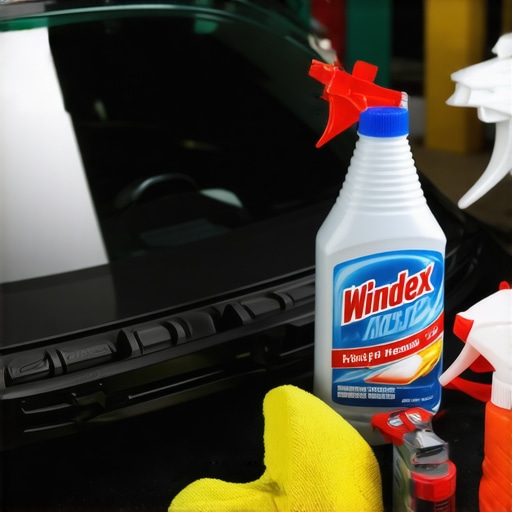
If you cannot get a glass installer to your location immediately, the most critical thing you can do is not what most people think. People want to reach for superglue or nail polish, which are disasters for the repair process. The simple trick to keep a crack from moving today is to cover the impact point with a small piece of clear packing tape immediately. This does nothing to strengthen the glass, but it prevents dirt, moisture, and windshield washer fluid from entering the microscopic fissures of the crack. Moisture is the enemy; when water enters a crack and the temperature drops, that water expands as it freezes, acting like a hydraulic wedge that forces the crack open. By using a simple piece of tape, you keep the ‘wound’ clean, ensuring that when the mobile service arrives for a same-day repair, the resin can achieve a 100% bond without being blocked by road grime or chemical residues.
“Installation is just as critical as the window performance itself. A high-performance window installed poorly will fail.” – AAMA Installation Masters Guide
The Physics of Crack Propagation: The Thermal Cycle
In cold climates like Chicago or Minneapolis, the threat to your glass is the heater. You have a surface that is sub-zero on the outside, and you blast the interior with 75-degree air. This creates a massive thermal gradient across the thickness of the glass. The inside of the glass wants to expand, while the outside wants to contract. This tension is managed by the glass until a chip provides a path of least resistance. This is why most cracks ‘jump’ or spread the moment you turn on your defroster or your home’s HVAC system kicks in. We call this ‘thermal shock.’ In a residential setting, if a window sash is not seated properly within the rough opening, the frame can put uneven pressure on the pane, further accelerating the movement of the crack. A professional glass installer knows how to check for these external stressors before even beginning the chip repair.
Trade Cant and Technical Precision
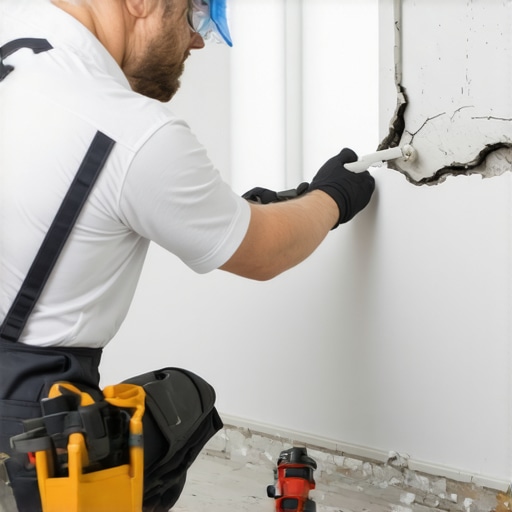
When I evaluate a piece of glass, I am looking at more than just the hole. I am looking at the glazing bead to see if it is holding the glass with uniform pressure. I am checking the weep holes to ensure moisture isn’t backing up into the frame, which can cause the edge seal of a dual-pane unit to fail. If I am looking at a window replacement, the rough opening must be perfectly square; if the installer didn’t use a proper shim to level the unit, the frame will twist, and the operable parts of the window will bind. This same logic applies to glass repair. If the glass is under mechanical stress from a poor installation, no amount of resin will stop that crack from moving. This is why a sill pan and flashing tape are vital in the initial build—they prevent the rot that leads to shifting frames and cracked glass later in the building’s life.
“Glazing systems must be designed to accommodate the movements of the building structure and the thermal expansion of the glass itself.” – ASTM E2112 Standard Practice
Why Same-Day Service is a Structural Necessity
The phrase same-day service is not just a marketing gimmick for a mobile service; it is a technical requirement. Every hour that a crack is exposed to the environment, its chances of a successful, invisible repair drop. Oxidation begins to affect the edges of the glass inside the crack, and the vibration of daily use causes micro-fractures to extend from the main impact point. A professional glass installer uses a bridge and injector tool to cycle through vacuum and pressure phases. This ensures that the resin penetrates the entire depth of the chip. Without this specialized equipment, you are just painting over a problem. When we talk about chip repair, we are talking about restoring the refractive index so that light passes through the repair at the same speed it passes through the surrounding glass. This is the only way to achieve an invisible finish and restore the structural integrity of the pane.
The Math of Glass Replacement vs. Repair
Many people wait because they fear the cost of a glass installer. However, the math is simple. A chip repair is typically a fraction of the cost of a full glass replacement. If you have a high-performance Low-E coating on your windows, the cost of replacing that unit is significant because you are paying for the argon gas fill and the specialized metallic coatings on Surface #2 or #3. By opting for a same-day mobile service to fix a chip, you are preserving the factory seal of your Insulated Glass Unit (IGU). Once that seal is broken and the gas escapes, the U-factor of your window skyrockets, and your energy efficiency plummets. Don’t let a twenty-dollar problem turn into a five-hundred-dollar replacement simply because you ignored the physics of glass tension.