Why your windshield wipers are streaking on old resin
The Frustration of the Persistent Streak
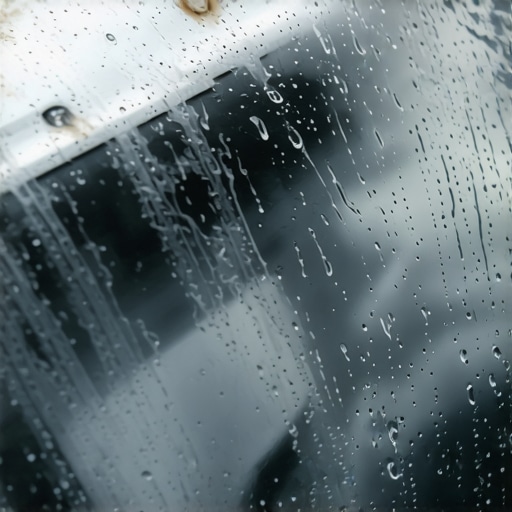
You are driving through a sudden downpour, and every time the wiper blades pass over your line of sight, a ghostly veil of moisture remains. It is not just the rubber failing. As a master glazier with a quarter-century in the trade, I have seen every type of glass failure from high-rise curtain walls to the laminate on your daily driver. When you complain about streaking on old resin, you are not just talking about a dirty surface; you are talking about the failure of a chemical bond. A homeowner called me in a panic because their new windows were ‘sweating.’ I walked in with my hygrometer and showed them the humidity was 60%. It wasn’t the windows; it was their lifestyle choices affecting the dew point. The same logic applies to your glass: the streak is a symptom of an underlying environmental mismatch. Poorly applied or aged resin in a chip repair creates a microscopic speed bump that disrupts the hydraulic seal of your wiper blade.
“Installation is just as critical as the window performance itself. A high-performance window installed poorly will fail.” – AAMA Installation Masters Guide
The Science of Resin Degradation
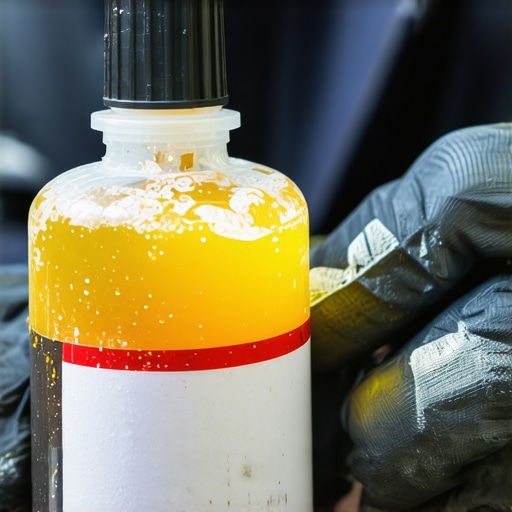
When a mobile service technician performs a same-day chip repair, they are injecting a liquid polymer, typically a UV-cured methacrylate, into the rough opening of a glass break. In the industry, we call this managing the void. This resin is designed to match the refractive index of the glass, but it is not glass. Over time, exposure to solar heat gain and ultraviolet radiation causes the polymer chains to undergo scission. The resin begins to shrink. In a northern climate like Chicago or Minneapolis, the cycle of freezing and thawing exacerbates this. The resin pulls away from the glass edges, creating a lip. This is where the wiper blade, an operable component of your visibility system, loses contact. Instead of a smooth transition, the rubber jumps, leaving a micro-film of washer fluid and road oils trapped in the recession.
Thermal Expansion and the Shingle Principle
We must consider the physics of the substrate. Glass has a specific coefficient of thermal expansion. Resin has another. In the heat of July, that resin patch expands more than the surrounding glass, protruding slightly. When the wiper passes over, it acts like a squeegee hitting a shim. It lifts. This is why a mobile service must be precise with their curing temperature. If the resin is not properly bonded at the molecular level, it becomes a sacrificial layer that attracts contaminants. Water management is a science, whether it is a sill pan in a rough opening or the surface tension on a windshield. If the resin is old, it becomes hydrophobic in some spots and hydrophilic in others, leading to the uneven sheeting that causes streaks.
The Anatomy of a Proper Chip Repair
A quality glass installer does not just ‘fill the hole.’ They must prepare the site. This involves removing any crushed glass or ‘glass dust’ that acts as an impurity in the bond. Think of it like preparing a glazing bead for a new pane. If there is debris, the resin will not ‘wet’ the surface properly. Once the resin is injected, it must be cured under pressure to ensure it reaches every corner of the break. If a technician uses a ‘caulk-and-walk’ approach, you are left with a patch that will fail within a single season. The streak you see is often the result of the wiper blade catching on the uneven margin where the resin meets the original glass surface. This is why same-day service must still adhere to rigorous technical standards.
“The performance of a glazing system is dependent upon the proper selection of materials and the quality of the installation process.” – NFRC Performance Guidelines
Why Mobile Service Requires Precision
Mobile service offers convenience, but the glazier must be a master of their environment. They are fighting wind, dust, and varying temperatures. When repairing a chip, the technician is essentially creating a miniature laminate. If the resin is old or has been stored in a van through 100-degree days, its viscosity changes. It won’t flow into the tightest parts of the fracture. After it cures, these air pockets, or ‘voids,’ become points of failure. As the wiper blade passes over these spots, the pressure difference causes the blade to chatter. To fix this, a professional might need to perform a ‘pit fill’ refresh or, in cases of severe degradation, recommend a full replacement to restore the structural integrity of the sash.
Conclusion: More Than Just a Patch
When your wipers are streaking on old resin, it is a sign that the repair has reached the end of its functional life. You cannot simply clean it away. The polymer has failed, and the surface topography of the glass has been permanently altered. Whether you are dealing with a residential window or a mobile glass repair, the principles of glazing remain the same: you must manage the interface between the materials with precision. Don’t settle for a quick fix that leaves you blind in a storm. Demand a glass installer who understands the chemistry of the bond and the physics of the streak. Water management is not a suggestion; it is a law of nature. “