Why running your wipers over a fresh chip repair could ruin the resin for good
The Microscopic Science of the Fresh Chip Bond
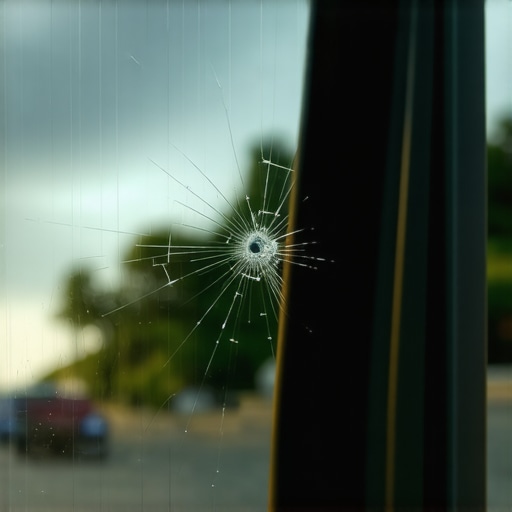
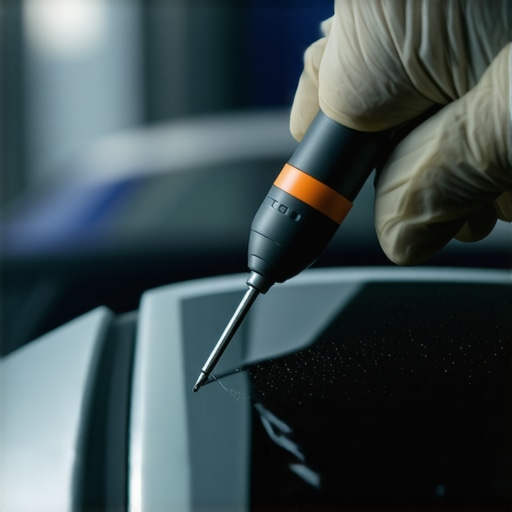
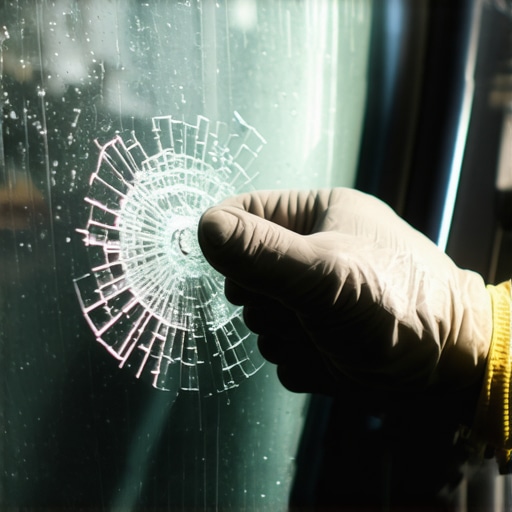
As a master glazier with over two decades of hands-on experience, I have seen every possible failure in glass integrity. When a mobile service professional performs a same-day chip repair, they are not just ‘filling a hole.’ They are performing a delicate structural intervention. The glass installer uses a bridge and injector to force a specialized acrylic resin into the break, displacing air through a series of vacuum cycles. This resin is designed to mimic the refractive index of the glass, but its liquid-to-solid transition is a critical window of vulnerability. If you trigger your wipers too early, you are introducing mechanical shear stress to a polymer chain that has not yet achieved its full cross-linked density. This is not a suggestion; it is a matter of material science.
The Condensation Crisis: A Narrative of Premature Failure
I recall a specific incident where a homeowner called me in a panic because their new chip repair was ‘sweating’ and turning milky white. I walked out to their driveway with my hygrometer and a high-powered inspection loop. I showed them that the relative humidity was hovering at 70 percent, and they had run their wipers across the glass while the resin was still in its primary curing stage. It wasn’t a failure of the resin; it was their lifestyle choice to clear the morning dew without waiting for the chemical bond to stabilize. Moisture had been forced under the pit filler by the mechanical action of the wiper blade, contaminating the bond line. Once water is trapped behind the resin, the repair is effectively compromised. You cannot simply ‘re-repair’ a contaminated chip because the microscopic pathways are now blocked by road film and moisture.
“Installation is just as critical as the window performance itself. A high-performance window installed poorly will fail.” AAMA Installation Masters Guide
The Physics of Shear Stress and Wiper Friction
When a glass installer finishes a repair, they apply a pit filler, which is a higher viscosity resin. This sits flush with the surface of the glass. While the UV lamp initiates polymerization, the core of the repair may still be reaching its peak Shore D hardness. A wiper blade is essentially a high-friction squeegee. As it passes over the repair site, it exerts lateral force. If the resin is even slightly soft, the blade can ‘catch’ the edge of the pit filler. This creates a micro-ledge. Once that ledge is created, every subsequent pass of the wiper will catch it again, slowly delaminating the resin from the surrounding glass. This is why we insist on a same-day waiting period before using any automated clearing systems. The friction coefficient of a rubber blade on a curing polymer is significantly higher than it is on polished glass, leading to a ‘tug’ that can pull the resin right out of the break.
Thermal Dynamics and the North/Cold Climate Constraint
In colder regions like Minneapolis or Chicago, the stakes are even higher. The ‘Enemy’ here is heat loss and the slow molecular movement of the resin. In these environments, the U-Factor of the glass matters because the interior heat of the vehicle fights against the exterior cold. This creates a ‘Delta-T,’ or temperature difference, across the laminate. When the glass is cold, the resin becomes more viscous and takes longer to flow into the tiny fissures of a star break. If you run your wipers in this state, you are hitting a brittle, semi-cured material with a cold rubber blade. The resin needs to reach its ‘Green Strength’ before it can handle any impact. We use warm-edge spacers in home windows to prevent condensation, but in a windshield, we rely on the stability of the PVB (Polyvinyl Butyral) interlayer. If you introduce vibration from wipers too soon, you risk separating the resin from that interlayer, which is the only thing keeping your windshield from cracking out completely.
“The proper preparation of the substrate and the environmental conditions during application are paramount to the longevity of any glass bonding agent.” ASTM E2112 Standard Practice
The Trade Cant: Rough Opening and Pit Management
To understand the risk, you must understand the ‘Rough Opening’ of the chip itself. When we use our injectors, we are looking for a clean ‘Sash’ effect where the resin meets the glass edge perfectly. We use a ‘Shim’ technique with the bridge to ensure the pressure is even. If you run your wipers, you are effectively vibrating the ‘Muntin’ of the glass structure. The ‘Weep Hole’ of a chip repair is actually the microscopic vent we use to let air out; if the wiper blade pushes water into that vent before it is sealed by the UV lamp, the repair will remain visible as a dark spot. This is the difference between a professional glass installer and a ‘caulk-and-walk’ amateur. A pro knows that the ‘Glazing Bead’ of the pit filler must be protected at all costs until it is shaved down with a fresh razor blade at a forty-five-degree angle.
Why Mobile Service Requires Customer Cooperation
Our mobile service offers convenience, but it requires the vehicle owner to be the final guardian of the repair. Because we are performing this in your driveway rather than a climate-controlled clean room, we are at the mercy of the elements. If a surprise shower starts, the temptation to hit the wipers is high. Resist it. The resin used in chip repair is hydrophobic once cured, but while it is a monomer, it can be disrupted by the surfactants found in windshield washer fluid. These chemicals are designed to break down oils, and they will happily break down the bond of your fresh repair if given the chance. A same-day repair is a partnership between the technician’s skill and the owner’s patience. Do not let a five-second wiper swipe ruin a hundred-dollar repair and necessitate a thousand-dollar windshield replacement.
Final Technical Verdict: The Cure is King
The final hardness of the resin is what allows it to be polished and treated like glass. Until that chemical transition is complete, the site is a ‘live’ wound in the glass. We look for a specific ‘Sill Pan’ effect where the resin sits deep in the break, supported by the glass walls. Any external force, especially the rhythmic, high-pressure sweep of a wiper blade, acts as a lever against the repair. By waiting just a few hours, you allow the photo-initiators to complete their work, turning the liquid resin into a solid that can withstand the rigors of the road. Don’t buy the hype of ‘instant’ cures; buy into the physics of proper glass management. Your windshield is a structural component of your vehicle, and the resin repair is its life support. Treat it with the respect that twenty-five years of glazing experience dictates.