Why mobile glass techs need a shaded spot to work
The Thermodynamics of Glass: Why Your Glass Installer Demands a Canopy
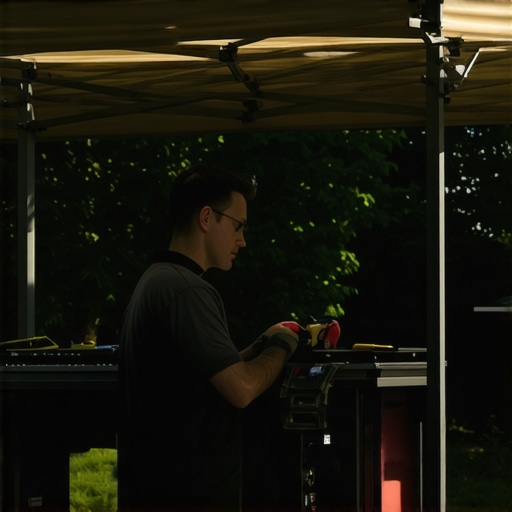
In the world of high-stakes glazing, a window is never just a static piece of silicate. It is a dynamic thermal barrier, a material that is constantly expanding and contracting in response to the invisible forces of infrared radiation and ambient temperature. When a glass installer arrives at your location for a mobile service, the first thing they look for isn’t just the damage: it is the position of the sun. To the uninitiated, asking for a shaded spot or setting up a professional canopy might seem like a convenience for the technician, but to a master glazier with 25 years in the field, it is a non-negotiable requirement for a successful chip repair. This is not about technician comfort; it is about managing the Delta T and the chemistry of UV-curable resins. If you ignore the thermal profile of the glass, a simple same-day fix can quickly turn into a full-frame replacement disaster.
“Glass installers must recognize that environmental conditions at the time of repair are as critical as the chemical composition of the glazing materials used. Failure to control the substrate temperature often results in catastrophic failure of the repair bond.” – AAMA Certification Standards
The Thermal Shock Narrative: A Case Study in Driveway Disasters
I recall a specific afternoon in a suburban driveway where a homeowner called me in a panic. They had hired a low-cost tech to fix a small bullseye chip on their south-facing window. The previous technician had worked in direct 2 p.m. July sun, without a canopy. I arrived and pulled out my infrared thermometer: the glass surface was sitting at 148 degrees Fahrenheit. The homeowner thought the glass was ‘defective’ because the small chip had suddenly spider-webbed across the entire pane the moment the resin was injected. I had to explain that it wasn’t the windows; it was the physics of the environment. The technician had tried to force a room-temperature resin into an overheated silicate structure. The localized thermal shock exceeded the tensile strength of the glass, and the operable sash was ruined. This is the ‘caulk-and-walk’ mentality that plagues our industry, where speed is prioritized over the basic laws of thermodynamics.
The Molecular Science of Chip Repair and UV Resins
To understand why shade is essential, we have to look at the Glazing Zooming level: the molecular interaction between the resin and the glass. Most modern chip repair systems utilize a specialized acrylic resin that is UV-curable. These resins are designed to have a refractive index nearly identical to the glass itself, which is how we make the damage ‘disappear.’ However, these resins are highly sensitive to both heat and light. When direct sunlight hits the repair site, the UV-A and UV-B rays initiate a rapid exothermic reaction. If this polymerization happens too quickly, the resin hardens before it has fully permeated the microscopic fissures of the break. You end up with a cloudy, weak repair that is purely cosmetic and offers no structural integrity. In a shaded environment, the glass installer can control the curing rate, ensuring that the resin flows into every ‘leg’ of the crack before the UV lamp is even turned on.
The Role of the Rough Opening and Thermal Expansion
Even if the glass doesn’t crack instantly, heat absorption at the edges of the window frame creates immense pressure. Every rough opening allows for some tolerance, but the glass is held in place by the glazing bead and the shim system. In direct sun, the center of the glass pane heats up faster than the edges, which are often shaded by the frame or the muntin bars. This creates a thermal gradient. If a technician attempts a chip repair in this high-stress state, they are essentially poking a balloon that is already stretched to its limit. By moving the vehicle or the window into a shaded area, we allow the Delta T (the temperature difference) to equalize. This reduces the internal stress on the silicate structure, allowing for a safer, more durable mobile service outcome.
“The thermal performance and structural reliability of a repaired unit is dependent upon the exclusion of air pockets and the maintenance of a consistent glass-to-resin interface across the entire surface area of the repair.” – NFRC 101 Technical Manual
The Physics of Viscosity and Surface Tension
Temperature also drastically alters the viscosity of the repair resin. If the glass is too hot, the resin becomes extremely thin, almost like water. It may leak out of the injector or fail to bridge the gap between the broken shards. Conversely, if the glass is too cold (though heat is the primary enemy in mobile work), the resin becomes too thick to move. A professional glass installer knows that the ‘sweet spot’ for glass temperature is between 60 and 80 degrees Fahrenheit. Achieving this in a parking lot or a driveway requires more than just luck: it requires a professional setup involving flashing tape to protect the surrounding sill pan and a high-quality canopy to block 99 percent of solar radiation. We also look at the weep hole functionality to ensure no cleaning fluids are trapped behind the glazing bead, which could contaminate the resin bond during a same-day repair.
Conclusion: Don’t Buy the Hype, Buy the Science
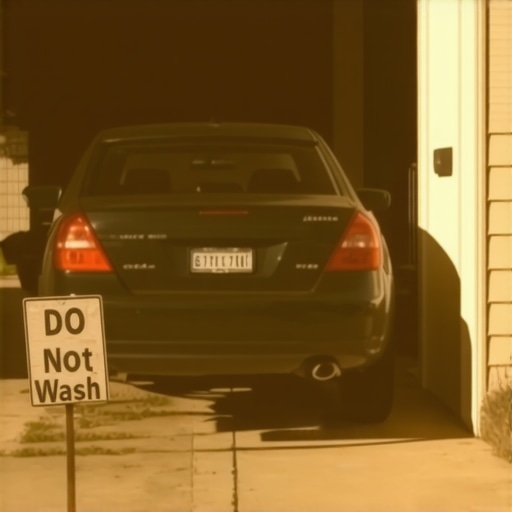
When you call for a mobile service, do not be surprised if the technician asks to work in your garage or under a large tree. They aren’t being picky; they are ensuring that your chip repair lasts for the life of the glass. A quality glass installer understands that managing the solar heat gain coefficient (SHGC) at the repair site is the only way to prevent a running crack. By respecting the rough opening tolerances and the chemical requirements of the resin, they provide a service that is both technically sound and aesthetically perfect. Remember, if a technician is willing to work in the direct, blistering sun without protection, they are likely a ‘caulk-and-walk’ amateur who doesn’t understand the materials they are handling. Demand shade, demand precision, and protect your investment in your home or vehicle glass.