Why your phone screen feels rough after a repair
The Tactile Disappointment of a Failed Surface Restoration
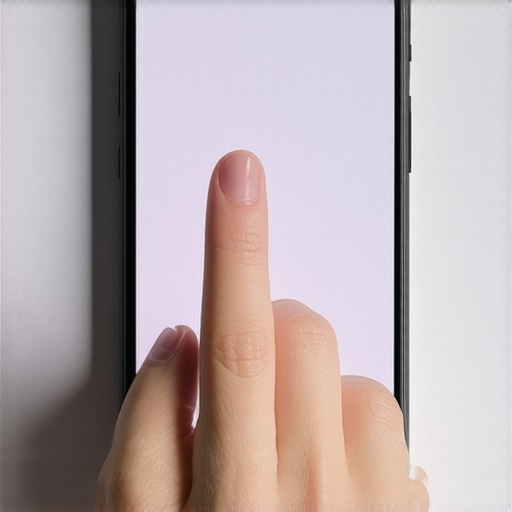
In the world of high-end glazing, a glass surface is not merely a transparent barrier; it is a meticulously engineered interface designed for specific thermal and tactile properties. When you run your finger across a glass surface and feel resistance, drag, or a sandpaper-like grit, you are experiencing a failure of surface integrity. This is a common complaint after a same-day chip repair or a mobile service intervention. As a master glazier with 25 years in the field, I look at a phone screen the same way I look at a high-performance curtain wall. If the finish is not micron-perfect, the job is incomplete. The roughness you feel is often the result of microscopic chemical residues, improper curing of polymer resins, or the stripping of factory-applied coatings that manage surface tension.
The Narrative Matrix: A Lesson in Surface Physics
A homeowner called me in a panic because their new windows were ‘sweating.’ I walked in with my hygrometer and showed them the humidity was 60%. It wasn’t the windows; it was their lifestyle. I mention this because, in the glass industry, we often blame the material when the fault lies in the environment or the installation process. When a glass installer performs a mobile service on a cracked screen or a chipped window, they are fighting against ambient variables: dust, humidity, and temperature. If that technician does not control the environment, the final product will never feel as smooth as the factory finish. That ‘roughness’ is the physical evidence of a technician who skipped the final polishing stage or failed to account for the dew point during the resin injection process.
The Glass Class: Decoding Surface Roughness and Resin Performance
To understand why a repaired glass surface feels rough, we must analyze the molecular topography of the material. Most modern electronic glass is aluminosilicate, treated with an ion-exchange process to increase strength. When a chip repair is performed, the technician injects a UV-curable resin into the fracture. This resin is a polymer, not glass. The mismatch between the hardness of the glass and the softness of the resin is the primary source of tactile friction. If the technician does not use a high-index polishing compound afterward, you will feel every transition between the native glass and the repair material.
“Installation is just as critical as the window performance itself. A high-performance window installed poorly will fail.” AAMA Installation Masters Guide
This industry standard applies to all glass. If a mobile service provider rushes the job to meet a same-day deadline, they often leave behind ‘flash’—excess resin that has cured on the surface. This creates a microscopic plateau that your skin detects as roughness. Furthermore, many modern screens feature an oleophobic coating to repel finger oils. A quick repair often involves abrasive cleaning agents that strip this coating, leaving the glass ‘naked’ and significantly higher in friction. This is why the screen feels ‘sticky’ or rough compared to the rest of the device.
Thermal and Climate Logic: The South/Hot Factor
In hotter climates, such as Texas or Florida, the Solar Heat Gain Coefficient (SHGC) is king. Glass installers must manage how much radiant energy passes through a pane. When a mobile service technician performs a chip repair in the back of a van in 95-degree heat, the glass expands. The SHGC of the glass causes it to absorb heat, which can cause the repair resin to cure too quickly or unevenly. In these environments, the resin may ‘shrink’ as it cools, leading to a pitted surface. Professional glaziers know that the Low-E coating on Surface #2 is designed to reflect heat outside, but during a mobile repair, the glass is often heated from both sides, compromising the chemical bond of the repair material. This thermal stress manifests as surface irregularities that you can feel with every swipe.
The Anatomy of a Professional Repair
A true glass installer understands that the ‘Rough Opening’ of a window requires precise shimming and a ‘Sill Pan’ to manage water, just as a screen repair requires a controlled environment to manage particulates. To achieve a smooth finish, the repair must follow a strict protocol:
- Preparation: The fracture must be cleared of all microscopic shards and moisture. Even a trace amount of water will prevent the resin from bonding, leading to a cloudy and rough finish.
- Injection: Using a vacuum-pressure tool to ensure the resin penetrates the entire depth of the chip, displacing all air.
- Curing: Using a specific UV wavelength that matches the resin’s photo-initiators. Rushed curing under direct sunlight often leads to a brittle, rough surface.
- Polishing: Using a series of diamond-impregnated pads or cerium oxide to level the resin perfectly with the surrounding glass.
“The performance of a fenestration product is dependent upon the quality of the interface between the product and the wall.” ASTM E2112 Standard Practice
When this interface is ignored—whether it is the seal of a ‘Sash’ in a window frame or the edge of a resin fill on a phone—the user experience suffers. If your glass installer did not use a ‘Glazing Bead’ logic to secure the repair area and ensure it was level, the resulting tactile feedback will always be negative. The roughness is essentially a sign of a ‘caulk-and-walk’ mentality applied to small-scale glass repair.
The Math: Why Same-Day Service Often Equals Low Quality
The rush for same-day results is the enemy of glass science. Proper glass bonding and surface restoration take time. If a technician is in and out in fifteen minutes, they haven’t allowed the resin to stabilize, nor have they performed the multi-stage polishing required to restore the surface to its original Ra (Roughness Average) value. In my experience, a ‘mobile service’ that prioritizes speed over surface chemistry will always result in a screen that feels like it has been dragged over concrete. You are paying for the convenience, but you are sacrificing the tactile integrity of the glass.
Final Verdict from the Glazing Bench
Do not accept a repair that leaves your glass feeling like anything other than a smooth, continuous surface. If the screen is rough, the installer failed to level the resin or failed to restore the hydrophobic properties of the glass. In the architectural world, we would call this a ‘defective glaze’ and demand a replacement. For your phone or any small glass repair, hold your technician to the same standard. Demand that they use high-grade polishing compounds and check the surface with a magnifying loupe before signing off on the job. Glass is a liquid that has been frozen in time; it should never feel like a solid failure.