The truth about using clear nail polish on a windshield crack
In my twenty-five years as a glass installer, I have seen every imaginable DIY disaster. From homeowners trying to seal a drafty sash with duct tape to high-rise managers thinking they could stop a curtain wall leak with bathroom caulk, the desire for a quick fix often outweighs the laws of physics. One of the most persistent myths I encounter involves the use of clear nail polish to stop a windshield crack. While the internet treats this as a clever life hack, I view it with the same skepticism I have for a ‘caulk-and-walk’ installer who ignores proper flashing tape. Glass is not a static material; it is a high-tension silicate structure that responds to every vibration of the road and every degree of temperature change.
“Installation is just as critical as the window performance itself. A high-performance window installed poorly will fail.” – AAMA Installation Masters Guide
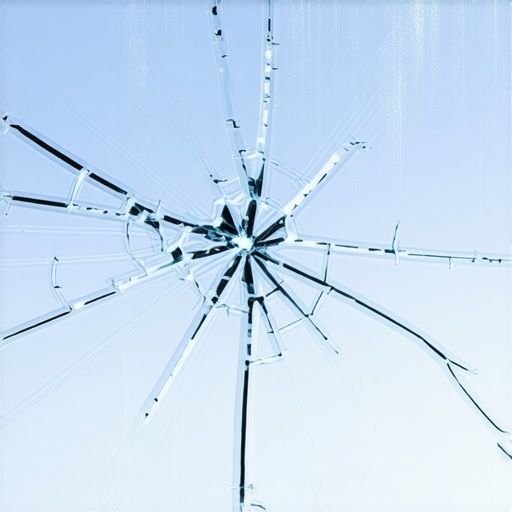
To understand why this ‘hack’ is a dangerous fantasy, we must first look at the narrative of failure I see weekly. A homeowner called me in a panic because their windshield was ‘sweating’ from the inside of a small chip they had covered with polish. I walked in with my hygrometer and found the moisture levels within the crack were trapped. It was not a failure of the glass material itself; it was their lifestyle of choosing convenience over structural integrity. They had applied the polish on a humid afternoon, effectively sealing a microscopic reservoir of water inside the laminated layers. When the temperature dropped that night, that water expanded as it froze, turning a three-millimeter chip into a six-inch fracture that spanned the entire driver-side view. By attempting to save forty dollars on a professional chip repair, they had cost themselves a five-hundred-dollar full-frame replacement.
The Molecular Misalignment of Nitrocellulose and Silicates
As a Master Glazier, I spend my days thinking about the refractive index and the chemical bonding of resins. Clear nail polish is primarily composed of nitrocellulose dissolved in a solvent like ethyl acetate. When it dries, it forms a hard, shiny film. However, this film is cosmetic, not structural. It lacks the cross-linking density required to manage the stress of a rough opening in an automotive frame. Automotive glass is not a single pane; it is a sandwich of two layers of soda-lime glass with a Polyvinyl Butyral (PVB) interlayer. This PVB layer is what makes the glass ‘shatterproof’ by holding the shards together upon impact. When a chip occurs, you are not just looking at a surface scratch; you are looking at a breach in the outer structural ply.
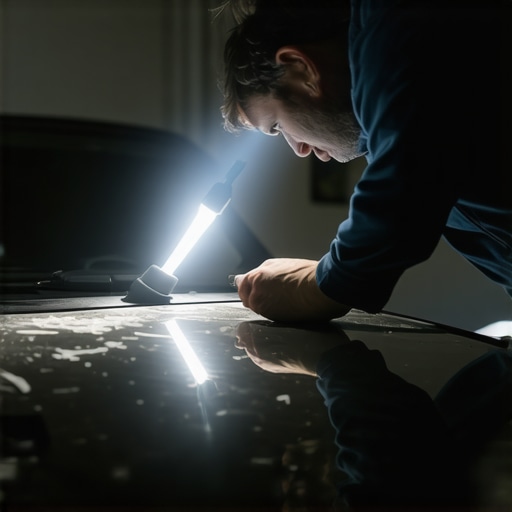
When a professional glass installer performs a same-day chip repair, they are not just ‘filling a hole.’ We use an ultra-low viscosity anaerobic resin specifically engineered to match the refractive index of the glass. We use a vacuum pump to evacuate the air and moisture from the fracture before injecting the resin under high pressure. This ensures that the resin reaches the very tip of the crack, chemically bonding the glass walls back together. Nail polish, by contrast, has a high viscosity that prevents it from penetrating the depths of the fracture. It merely sits on the surface, creating a ‘glazing bead’ of plastic that masks the damage while the crack continues to propagate beneath it due to road vibration and wind pressure.
The Thermal Expansion Trap in Cold Climates
For those living in northern climates like Minneapolis or Chicago, the ‘nail polish fix’ is particularly catastrophic. The enemy here is the dew point and the extreme thermal gradient. When it is sub-zero outside and you jump in your car and blast the defroster, you are subjecting the glass to a massive thermal shock. The inner ply of the glass expands rapidly while the outer ply remains contracted by the freezing air. This differential creates a shear force that acts directly on the crack. Because nail polish has a significantly different coefficient of thermal expansion than glass, it will pull away from the edges of the crack almost immediately. This creates a gap where moisture can enter. Through the hydraulic wedge effect, that moisture will freeze, expand, and force the crack to grow. A mobile service professional understands this physics and uses resins that remain flexible enough to handle these cycles without losing adhesion.
“The integrity of the fenestration system relies on the continuity of the air and water barrier across the rough opening.” – ASTM E2112 Standard Practice
Why Same-Day Chip Repair is Non-Negotiable
I often tell my apprentices that a chip in a windshield is like a rot in a wooden muntin; if you don’t cut it out or stabilize it immediately, it will consume the entire structure. The structural role of a windshield in a modern vehicle cannot be overstated. It provides up to 60% of the roof’s structural integrity during a rollover accident and serves as the backstop for the passenger-side airbag. When you ‘repair’ a crack with nail polish, you are compromising the safety cell of your vehicle. You are essentially trusting a cosmetic lacquer to hold your roof up. A professional glass installer uses tools that measure the shim thickness of the glass and ensures that the repair restores the structural tension of the pane. A mobile service can often reach you within hours, performing a repair that is virtually invisible and, more importantly, permanent.
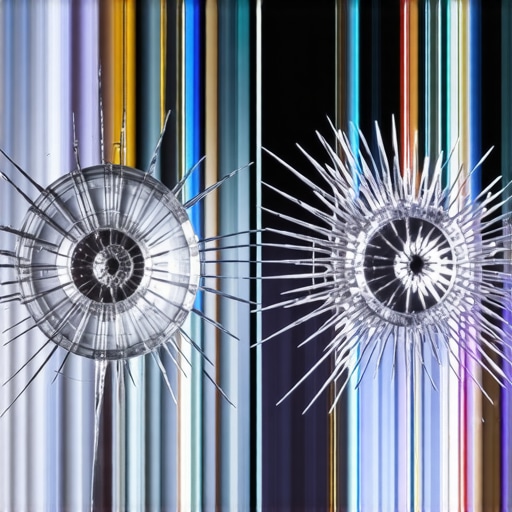
The ‘Tin Man’ salesmen of the auto glass world might tell you that any chip requires a full replacement, but a true glazier knows that most damage smaller than a quarter can be saved if caught early. The key is the vacuum-injection process. We look for the ‘weep hole’ of the crack, ensuring that our resin fills every microscopic void. We don’t just ‘caulk’ the surface. We manage the light, the heat, and the structural load. Don’t buy the hype of a ten-cent bottle of polish when the science of glazing offers a real solution. If you value the clarity of your sash and the safety of your passengers, call a professional for a same-day chip repair before that small star-break turns into a total loss.