The truth about those fifteen minute mobile phone fixes
The High Cost of the Fast Fix: A Glazier’s Perspective on Mobile Glass Services
In the world of glass installation and repair, the phrase ‘fifteen minutes’ is often a red flag. As a master glazier with over 25 years in the field, I have seen the industry shift from meticulous craftsmanship toward a ‘mobile service’ model that prioritizes the clock over the chemistry of the bond. Whether we are talking about a residential window, a commercial storefront, or a complex laminated glass assembly, the physics of glass do not change to accommodate a technician’s busy schedule.
A homeowner recently called me in a panic because their glass was ‘sweating’ and cloudy only weeks after a same-day chip repair. I walked onto the job site with my hygrometer and a thermal imaging camera. It was not a failure of the glass itself, but a failure to respect the environment in which the glass lives. The indoor humidity was hovering at 60 percent, and the technician had trapped moisture under the resin because they were in such a rush to get to the next mobile service call. This is the reality of the quick-fix industry: it ignores the dew point and the delicate balance of thermal expansion.
“Installation is just as critical as the window performance itself. A high-performance window installed poorly will fail.” AAMA Installation Masters Guide
The Science of the Chip Repair
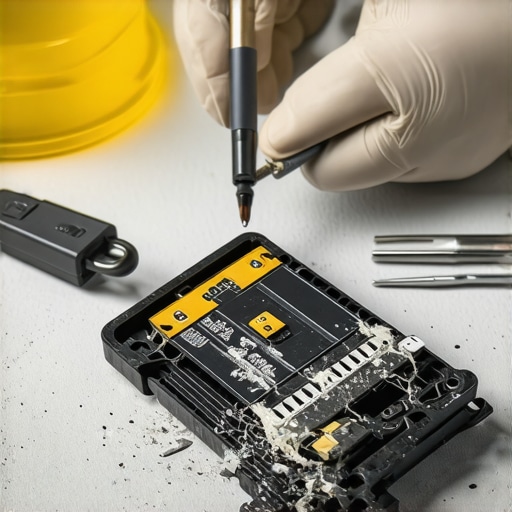
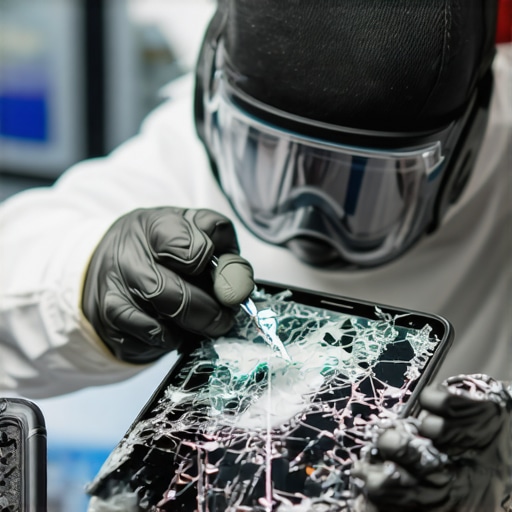
When a piece of glass suffers a chip or a crack, the structural integrity of the entire pane is compromised. Glass is a supercooled liquid that behaves like a solid, and it is under constant internal stress. When you hire a glass installer for a same-day fix, they are typically using an acrylic resin to fill the void. However, for that resin to truly bond, the rough opening of the chip must be completely evacuated of air and moisture. A fifteen-minute window is barely enough time to set up a vacuum pump, let alone ensure that the resin has reached the molecular level of the fracture.
In hot climates like Texas or Arizona, the Solar Heat Gain Coefficient (SHGC) becomes our primary antagonist. If a technician applies a repair resin on a surface that has been sitting in the sun, the glass temperature can easily exceed 140 degrees Fahrenheit. If they inject a cool resin into that hot glass, you are creating a localized thermal shock. This often leads to the crack ‘running’ or spreading instantly across the sash. A professional knows that you must stabilize the temperature of the glass before even thinking about a repair.
The Anatomy of a Window and Why Speed Fails
To understand why a mobile service often cuts corners, we have to look at the anatomy of the assembly. A standard operable window consists of several components that must work in harmony: the sash, the glazing bead, and the weep hole system. When a glass installer performs a ‘drop-in’ repair, they often disturb the glazing bead—the plastic or wood strip that holds the glass in place. If this is not re-seated with surgical precision, you have created a direct path for water to bypass the primary seal.
Furthermore, many quick-fix technicians ignore the sill pan and the flashing tape. They focus only on the glass, forgetting that the glass is part of a managed water system. If the glass is not shimmed correctly within the frame, the weight of the pane can shift, causing the frame to go out of square. Once a frame is no longer plumb and level, the operable parts will begin to bind, and the weatherstripping will fail. This is why I tell my clients that a ‘same-day’ fix is often a ‘next-year’ replacement.
Thermal Logic in Hot Climates
In the southern regions, our enemy is the sun’s radiant energy. Most modern glass units utilize a Low-E coating on Surface #2—the inner face of the outer pane. This coating is designed to reflect long-wave infrared radiation back toward the exterior. When a mobile service technician performs a chip repair, they are often drilling into or through these coatings. If the repair is not sealed perfectly, the argon or krypton gas fill will leak out, and the Low-E coating will begin to oxidize. This results in a permanent, ugly haze that no amount of cleaning can remove.
“The thermal performance of a fenestration product is only as good as the seal integrity over time.” NFRC Performance Standards
We also have to consider the coefficient of thermal expansion. Glass, the aluminum or vinyl sash, and the repair resin all expand and contract at different rates. If the resin used in a quick repair is too rigid, it will pop out the first time the temperature drops forty degrees at night. If it is too soft, it will degrade under UV exposure. A true master glazier selects the resin based on the specific climate context of the installation, not what is cheapest or fastest to cure under a portable UV lamp.
The Myth of the Same-Day Structural Fix
Many people believe that a chip repair is purely cosmetic. This is a dangerous misconception. The glass in your home or vehicle is a structural component. It provides rigidity to the frame and, in the case of tempered glass, is designed to break into small, relatively harmless pieces upon impact. A rushed repair can interfere with the way the glass is supposed to break. If the resin creates a ‘hard spot,’ the glass may not fragment as intended, potentially causing larger, sharper shards to form during a failure.
When we look at the muntins and the overall aesthetics, a rushed job is always obvious. A technician who is rushing will often leave ‘pitting’ or a visible ‘flower’ at the impact site. This is caused by air being trapped in the resin because the vacuum was not held long enough. In a proper repair, the refractive index of the resin should match the glass perfectly, making the repair nearly invisible to the naked eye. This level of detail requires patience and a controlled environment, things that a mobile service van on the side of a busy road rarely provides.
Water Management: The Hidden Danger
Every window installation must follow the ‘shingle principle,’ where every layer overlaps the one below it to ensure water flows down and away from the structure. When a glass installer works too quickly, they often overlook the weep holes. These are the small valves at the bottom of the frame that allow moisture to escape. If a technician uses too much sealant or ‘caulking’ during a quick repair, they can easily plug these holes. Once the weep holes are blocked, water backs up into the sill pan, eventually rotting out the rough opening and the framing studs. I have seen entire walls that had to be rebuilt because of a five-dollar tube of caulk used by a ‘fifteen-minute’ pro.
Proper flashing tape and the use of a high-quality sill pan are the only defenses against this type of catastrophic failure. A mobile service that only replaces the glass without inspecting the surrounding flashing is doing the homeowner a massive disservice. As a glazier, I refuse to install a piece of glass if the surrounding substrate is not sound. I have seen too many headers black with rot because an installer relied on the nailing fin instead of a proper water management strategy.
Conclusion: Choosing Quality Over Convenience
The allure of the same-day, mobile service is understandable in our fast-paced world. However, when it comes to the safety and efficiency of your home, speed is rarely your friend. A proper glass repair or installation requires an understanding of thermodynamics, structural engineering, and material science. It requires shimming the pane to within a sixteenth of an inch and ensuring that the glazing beads are perfectly seated to prevent air infiltration. Do not buy the hype of the quick fix; buy the numbers and the expertise that comes with a master’s touch. Your windows are the eyes of your home, and they deserve more than fifteen minutes of attention.