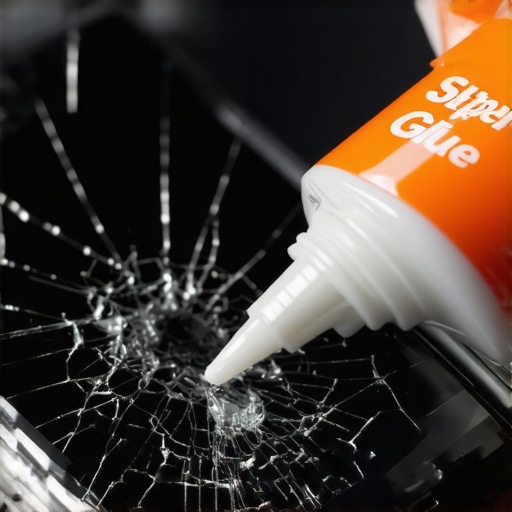
The risk of using super glue on a cracked screen
The Dangerous Myth of the Quick Fix
In my twenty-five years as a glass installer, I have seen every imaginable DIY catastrophe. Most homeowners think a window is just a piece of clear material, but in reality, it is a sophisticated thermal barrier. When a crack appears, the instinct is often to reach for a bottle of super glue. This is a fundamental mistake that ignores the physics of glass. I recall a specific incident in a freezing January in Chicago. A homeowner had a small stress crack in their primary sash. Instead of calling a mobile service for a professional chip repair, they filled the crack with industrial cyanoacrylate. By midnight, the temperature dropped twenty degrees. Because the glue and the glass have vastly different rates of thermal expansion, the glue acted as a rigid wedge. As the glass tried to contract, the glue held firm, creating a massive internal tension. The entire pane shattered with a sound like a gunshot, leaving the family with a gaping rough opening in sub-zero temperatures. This is why a professional glass installer exists: to understand the molecular behavior of the materials we work with.
The Chemistry of Failure: Why Cyanoacrylate and Silica Do Not Mix
To understand why super glue fails, we must glazing zoom into the molecular level. Glass is a non-crystalline, amorphous solid primarily composed of silica. It is incredibly stable but also brittle. Super glue, or cyanoacrylate, cures through a process called anionic polymerization, triggered by the moisture present on the surface of the material. While it creates a strong bond on porous materials, it is a disaster for glass. First, the refractive index of super glue is nowhere near that of glass. Glass typically has a refractive index of 1.52, while most household glues sit around 1.45. This difference causes light to bend at the interface, making the repair look like a jagged scar. Furthermore, the curing process of super glue is exothermic. On a microscopic scale, this sudden heat can cause a chip repair to turn into a full-length crack before the glue has even dried. Unlike professional resins used in same-day mobile service, super glue does not have the viscosity to penetrate the deepest reaches of a crack. It sits on the surface, sealing in air and contaminants. This trapped air expands and contracts with the sun, acting as a pneumatic hammer that slowly drives the crack deeper into the glass substrate.
“Installation and repair methods must strictly adhere to the physical properties of the substrate to ensure long-term structural integrity and thermal performance.” – ASTM E2112 Standard Practice
The Thermal Gradient and the North/Cold Crisis
In cold climates, the enemy is heat loss and the resulting thermal gradient. Your window glass is constantly fighting a battle between the seventy-degree air inside and the sub-zero air outside. This creates a massive amount of stress across the thickness of the glass. A professional glass installer uses a specialized chip repair kit that utilizes high-vacuum pressure to remove all air from the break before injecting a UV-cured resin. This resin is engineered to match the expansion coefficient of the glass. If you use super glue, you are introducing a foreign material that cannot handle this stress. In regions like Minneapolis or Chicago, the U-Factor of your window is king. When you compromise the glass with a rigid, non-elastic adhesive, you create a thermal bridge. Moisture from the interior air will condense on that cold spot, eventually dripping down into the glazing bead and rotting the wood of the sash or corroding the metal hardware. This is not just an aesthetic issue; it is a structural one. If moisture bypasses the weep hole because of a sloppy glue job, you are looking at a full frame replacement instead of a simple mobile repair.
The Professional Alternative: Same-Day Mobile Service
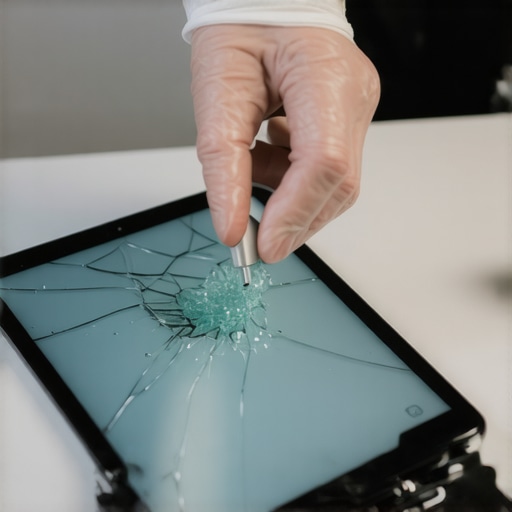
Why risk a catastrophic failure when professional chip repair is available? A mobile service technician arrives with a bridge and injector system. We use a diamond-tipped drill to create a tiny entry point at the head of the crack, which relieves the surface tension. This is a technique that requires years of experience to master without shattering the entire pane. We then use a specialized resin that is cured with a specific wavelength of ultraviolet light. This process creates a bond that is actually stronger than the original glass. It restores the structural integrity of the sash and prevents the crack from spreading due to vibration or wind pressure. In many cases, the repair is nearly invisible, maintaining the visible transmittance of the window. A master glazier knows that every minute a crack is left open to the elements, it is collecting dirt, oils, and moisture. This is why same-day service is critical. Once those contaminants are inside the crack, they are almost impossible to remove, and even the best resin won’t bond correctly. If you try to ‘clean’ the crack yourself with window cleaner, the chemicals in the cleaner will react with the adhesive, leading to a cloudy, yellowed mess that can never be fixed.
“A repair that does not restore the original strength and clarity of the glass is merely a temporary postponement of total failure and potential injury.” – NFRC Performance Guidelines
The Math of Modern Glazing: ROI and Safety
The cost of a professional mobile service for a chip repair is a fraction of the cost of a full glass replacement. When you consider the labor involved in a full-frame tear-out…removing the trim, setting the shims, ensuring the rough opening is square, and applying the flashing tape correctly…the value of a twenty-minute professional repair becomes obvious. Modern windows are complex systems. Whether you have a double-pane unit with a warm-edge spacer or a high-performance sash with multiple low-E coatings, the glass is the primary defender of your home’s envelope. Do not trust this defense to a five-dollar tube of glue. A professional glazier understands the difference between an operable sash that can be salvaged and one that is a safety hazard. We look for signs of seal failure, like fogging between the panes, which no amount of glue or resin can fix. In those cases, we provide a technical assessment of why the unit failed, whether it was a blocked weep hole or a shifted sill pan. In the world of glass, precision is the only path to longevity. A ‘caulk-and-walk’ approach leads to rot, mold, and wasted energy. Trust the numbers, trust the science, and call a professional for any glass damage.