The reason your windshield resin didn’t clear the visual break
The Anatomy of a Failed Chip Repair
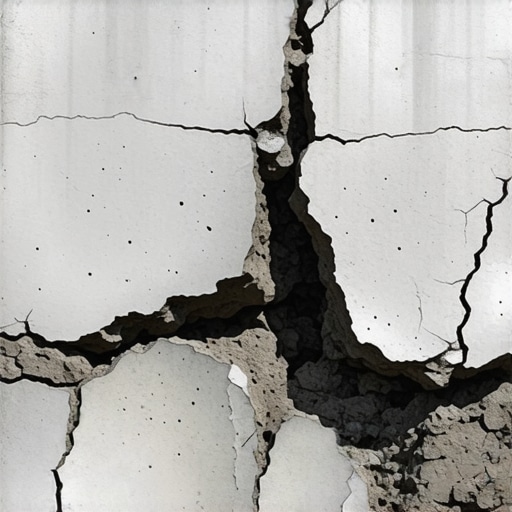
As a master glazier with a quarter-century in the trade, I have seen it all. From 40-story curtain wall failures to the delicate art of restoring 19th-century leaded glass, the physics remains the same. When a client calls me about a chip repair that didn’t clear, they usually expect a magic trick. They want the blemish to disappear into thin air. But glass is not a liquid that heals itself. It is an amorphous solid that, when fractured, creates a complex series of air-trapped voids that defy simple fixes. If your mobile service technician left you with a visible scar after a same-day repair, it is not always a lack of skill. Often, it is a battle against the fundamental laws of optics and thermodynamics. A window, whether it is a sash in a colonial home or the laminated safety glass in your vehicle, is a barrier that must be managed with precision. Most installers are just caulk-and-walk artists, but to understand why that resin didn’t clear, we have to look at the microscopic reality of the break.
“Installation is just as critical as the window performance itself. A high-performance window installed poorly will fail.” AAMA Installation Masters Guide
The Contamination Crisis: A Narrative of Failure
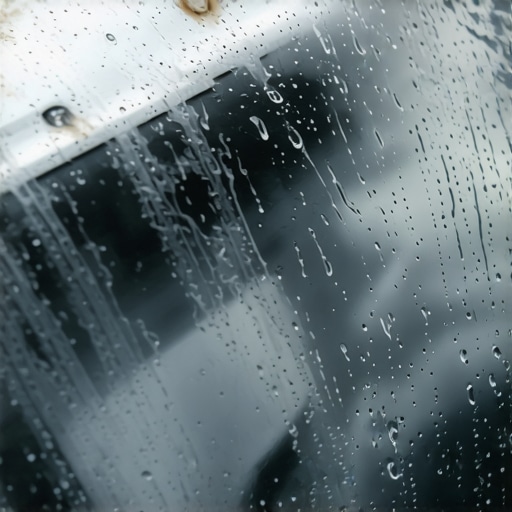
I remember a call I took last summer in a humid coastal environment. A homeowner called me in a panic because their glass repair was sweating from the inside out. I walked in with my hygrometer and showed them the humidity in the vehicle was spiking at 65 percent. It was not the technician’s resin that failed; it was the environmental conditions at the time of the injection. The technician had arrived for a same-day mobile service while the glass was still saturated with morning dew. They injected the resin right on top of the moisture. When you trap H2O inside a fracture, the resin cannot bond to the PVB interlayer. It creates a cloudy, milky visual break that will never clear. This is the difference between a glass installer who understands dew point and one who is just looking to punch a clock. You cannot force a hydrophobic resin into a hydrophilic environment and expect a clear result. The water molecules occupy the space where the resin should sit, preventing the refractive index from aligning.
The Physics of the Visual Break
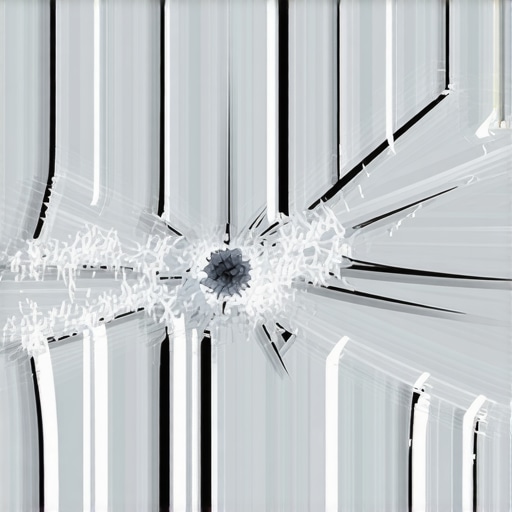
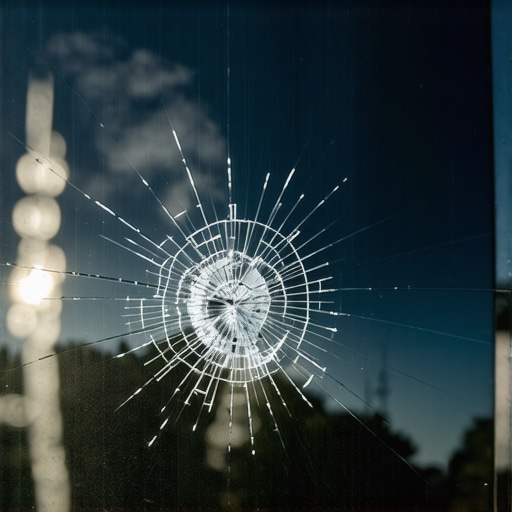
Why do you see a chip in the first place? It is all about the refractive index. Standard glass has a refractive index of approximately 1.52. Air has a refractive index of 1.0. When light hits the air pocket inside a crack, it bends at a different angle, creating the shadow or silver reflection you see. To clear a visual break, we use an acrylic resin designed to mimic that 1.52 index. If the resin has a viscosity that is too high, it cannot penetrate the micro-fractures, or the legs, of the starburst. If it is too low, it may leak out before it cures. In hot climates, the glass expands. This expansion can actually pinch the fracture shut, making it impossible for the resin to flow. This is why a glass installer must use a cooling bridge or wait for the substrate to reach a stable temperature. If the technician tried to perform a chip repair on glass that was 120 degrees Fahrenheit, the resin likely flashed or cured on contact with the outer surface, sealing the entry point and leaving the air trapped inside. This results in a permanent visual scar despite the repair being structurally sound.
Trade Cant and Structural Integrity
When we talk about glass, we have to consider the rough opening of the damage. In architectural glazing, we look at the glazing bead and the sash to determine how a window sits in its frame. In a windshield, the glass is an operable part of the vehicle’s structural integrity, held in by high-modulus urethane. A chip near the edge of the glass is under more stress than one in the center. If the technician does not use a proper vacuum cycle to pull the air out of the break before injecting the resin, you are essentially trying to fill a balloon that is already full of air. You need a tool that can create a localized vacuum, drawing out the nitrogen and oxygen from the fracture, then switching to a pressure cycle to force the resin into the microscopic rough opening of the break. If they skipped the vacuum cycle to save time during a mobile service, that is why you still see the glint of the fracture. They did not manage the air; they just painted over it.
“Standard practice requires that the surface of the glass be free of contaminants and moisture to ensure the chemical bond of the repair material.” ASTM E2112 Standard Practice
The Role of the PVB Interlayer
Laminated glass is a sandwich. You have two layers of glass with a Polyvinyl Butyral (PVB) interlayer in the middle. This interlayer is what keeps the glass from shattering into shards. When a chip occurs, it usually happens in the outer layer. If the impact was hard enough to delaminate the glass from the PVB, you get a black spot or a flower petal effect. Resin can fill the crack in the glass, but it cannot easily repair the separation from the plastic interlayer. This is where many same-day repairs fail. The technician might fill the glass, but the delamination remains visible as a silver halo. This is the thermal reality of glass. It is a material that is constantly moving, expanding, and contracting. Without a perfect bond to that interlayer, the visual break remains a permanent feature of the glass. A master glazier knows when a repair is purely structural and when it will be aesthetically perfect. If your technician did not manage your expectations about the refractive index mismatch, they were not being honest about the science of the trade.
Conclusion: Precision Over Speed
The next time you see a chip, remember that it is a complex geological event on a miniature scale. The reason the resin didn’t clear is likely a combination of temperature, moisture contamination, or improper vacuum-pressure cycling. You cannot rush the chemistry of curing. UV light must hit the resin at the right angle and intensity to trigger the photo-initiators without causing the resin to shrink too rapidly. If the resin shrinks, it pulls away from the edges of the fracture, re-introducing air and making the break visible again. It is a game of microns. Do not settle for a caulk-and-walk job. Demand a technician who understands the dew point, the refractive index, and the structural requirements of the glass. Anything less is just a temporary patch on a permanent problem.