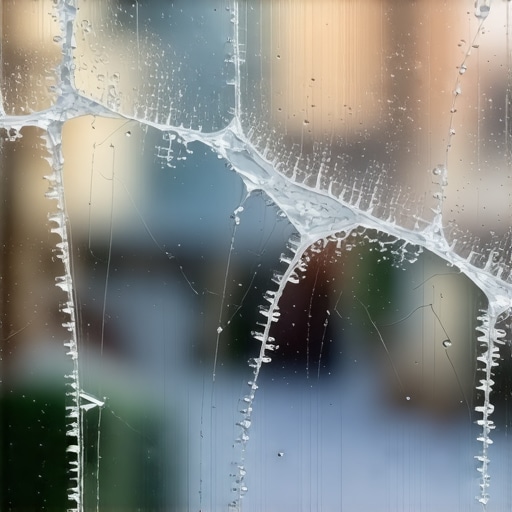
The danger of letting a tiny crack sit through a freeze
The Sudden Crack at Midnight: A Glazier’s Perspective on Thermal Shock
There is a specific sound that a homeowner never forgets: the sharp, metallic ‘ping’ of glass fracturing under stress in the dead of winter. As a glazier with over two decades in the field, I have spent countless mornings responding to emergency calls where a tiny, overlooked stone chip suddenly transformed into a foot-long stress crack. This isn’t bad luck; it is physics. When the thermometer drops, your windows become a battlefield between the warm interior of your home and the brutal cold of the exterior. This temperature differential creates a phenomenon we call thermal stress.
I remember a specific case that perfectly illustrates the danger of procrastination. A homeowner in a freezing northern climate called me because their primary living room window was ‘sweating’ excessively between the panes. I walked in with my hygrometer and a thermal imaging camera. The humidity was high, but the real culprit was a minute chip on the exterior lite of the Insulated Glass Unit (IGU). That tiny pit had allowed moisture to seep into the glass structure. When the first hard freeze hit, that moisture expanded, compromising the primary seal and allowing the argon gas to escape. What began as a simple chip repair that a mobile service could have handled in twenty minutes had turned into a full IGU replacement. The ‘sweating’ wasn’t just humidity; it was the death rattle of a failed window system.
“Installation is just as critical as the window performance itself. A high-performance window installed poorly will fail, and a damaged window is a failed window regardless of its initial rating.” – AAMA Installation Masters Guide
The Physics of the Freeze: Why Chips Expand
To understand why you need a same-day glass installer when you spot a crack, you have to understand the molecular nature of soda-lime glass. Glass is incredibly strong under compression but surprisingly weak under tension. A chip is essentially a localized point of high tension. In a northern climate, we focus heavily on the U-Factor, which measures the rate of heat loss. When you have a Low-E coating on Surface #3, it is designed to reflect long-wave infrared radiation back into the room. This keeps the inner pane warm, while the outer pane remains frigid. This massive temperature gradient causes the glass to expand and contract at different rates.
If there is a chip, water from snow or sleet finds its way into the fracture via capillary action. As the temperature hits 32 degrees Fahrenheit, that water undergoes a phase change into ice, expanding by approximately 9% in volume. This expansion acts like a wedge, driven by thousands of pounds of pressure, forcing the crack to propagate across the sash. Once the crack reaches the glazing bead or the edge of the rough opening, the structural integrity of the pane is gone.
The Anatomy of a Failure: Why Mobile Service is Vital
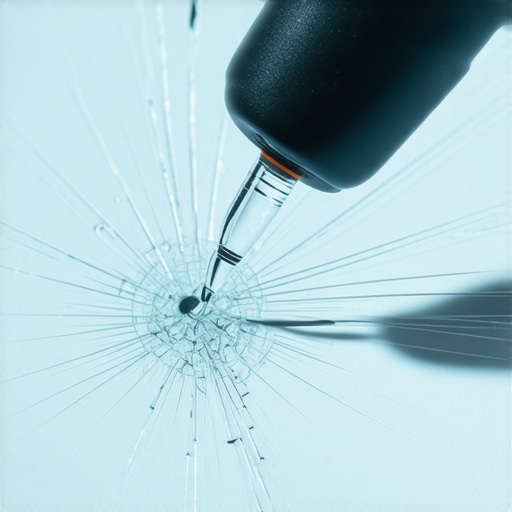
In the trade, we talk about the ‘Shingle Principle.’ This means everything in a window assembly must be designed to shed water downward and outward. A crack breaks this principle. Once the surface tension of the glass lite is compromised, the window can no longer effectively manage the load of wind pressure or the weight of the glass itself. Using a mobile service for chip repair involves injecting a specialized clear resin into the fracture. This resin is formulated to have a refractive index nearly identical to glass, but more importantly, it bonds the surfaces together, restoring the structural tension and sealing out the moisture that leads to ice expansion.
“Proper maintenance of the glass lite is essential to preserving the thermal performance and structural integrity of the entire fenestration unit.” – NFRC Reference Manual
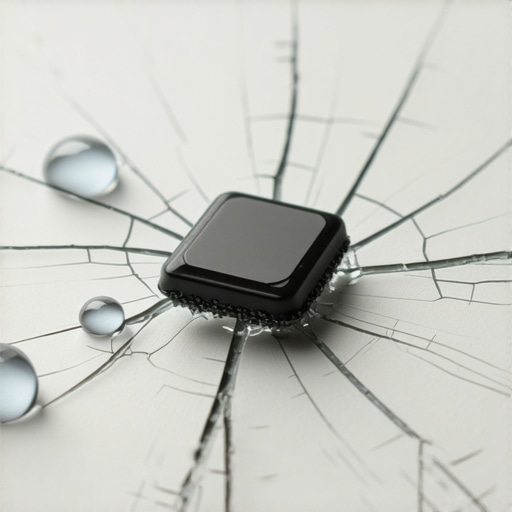
I often see ‘caulk-and-walk’ installers try to smear silicone over a crack. This is a recipe for disaster. It doesn’t address the internal stress. A professional glass installer will use a vacuum-seal tool to remove air from the crack before injecting the resin. This ensures that the repair is not just cosmetic but structural. When we look at the operable parts of a window, like a double-hung or casement, the vibration of opening and closing the window further aggravates an unrepaired chip, especially when the frame is brittle from the cold.
Thermal Gradients and Warm-Edge Spacers
In cold climates, the edge of the glass is the most vulnerable point. This is why we use warm-edge spacers rather than traditional aluminum spacers. Aluminum conducts cold, which chills the edge of the glass and increases the risk of stress cracks. If your window has a chip near the edge, the combination of the cold-conducting spacer and the freezing exterior air creates a ‘perfect storm’ for a total fracture. By addressing the issue through same-day service, you are essentially saving the sill pan and the internal wall structure from the inevitable leak that follows a shattered pane.
Don’t be fooled by the ‘Energy Savings’ myths often pushed by high-pressure salesmen. The real ROI of window maintenance isn’t just in the heating bill; it’s in avoiding the catastrophic failure of the building envelope. When a window shatters in January, you aren’t just losing heat; you are exposing your rough opening, your shims, and your flashing tape to direct moisture. That leads to rot in the framing, which is a much more expensive fix than a simple resin injection. Water management is a science, and the glass lite is your first line of defense. Keep it intact, keep it sealed, and never let a tiny crack face a freeze alone.