Why your windshield chip looks like a star and how to stop it
Why Your Windshield Chip Looks Like a Star and How to Stop It
I pulled a windshield out of a heavy duty truck in a frigid parking lot in Chicago last February and the pinchweld was a graveyard of poor decisions. The previous installer had relied on a bead of cheap urethane without even addressing the surface prep on the glass or the metal. Why? Because most people think glass is just a static barrier. In reality, it is a structural member that breathes, expands, and contracts. That star shaped chip you are staring at is not just a cosmetic blemish; it is a fracture in a high tension system that is actively trying to pull itself apart. If you understand the physics of the break, you will understand why a same-day chip repair is the only thing standing between you and a full replacement.
The Anatomy of the Star Break: Fracture Mechanics
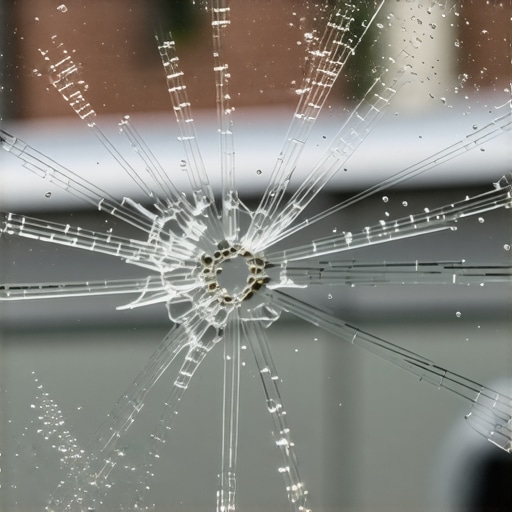
When a stone hits your glass at sixty miles per hour, it creates a point of intense kinetic energy transfer. In architectural glazing, we talk about the rough opening and how we shim a window to manage load. In your windshield, the glass is actually two layers of annealed glass bonded by a Polyvinyl Butyral (PVB) interlayer. The star break occurs when the impact energy is high enough to create radial cracks that emanate from the central impact point. These are not just lines; they are micro-fissures that have breached the outer layer of glass. The reason it looks like a star is due to the way the glass lattice structure shatters under localized tension. Unlike a bullseye break, which is a cone shaped separation, a star break is aggressive. It involves legs that act as tiny levers. Every time your vehicle hits a bump or the temperature shifts, those legs are prying deeper into the glass.
“Installation is just as critical as the window performance itself. A high-performance window installed poorly will fail.” – AAMA Installation Masters Guide
The Cold Climate Crisis: Why Chips Spread in Winter
If you are driving in a northern climate where the dew point is constantly shifting, your windshield is under immense thermal stress. This is where the U-Factor of your glass matters, even if you do not think about it. The interior of your car is heated to seventy degrees while the exterior is at zero. This creates a massive thermal gradient across the thickness of the glass. In a window, we would use warm-edge spacers to prevent condensation and manage this stress. In a windshield, the glass itself must handle the load. When water gets into that star chip and freezes, it expands. It acts like a hydraulic wedge, forcing those radial cracks to lengthen. This is why a small chip on Monday becomes a foot-long crack by Tuesday morning. The mobile service glass installer must act before moisture enters the PVB layer, which is hygroscopic and will begin to delaminate if exposed to the atmosphere for too long.
The Physics of Resin Injection and Refractive Indices
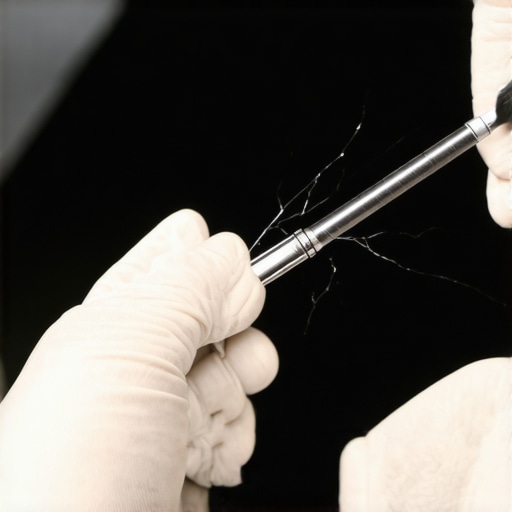
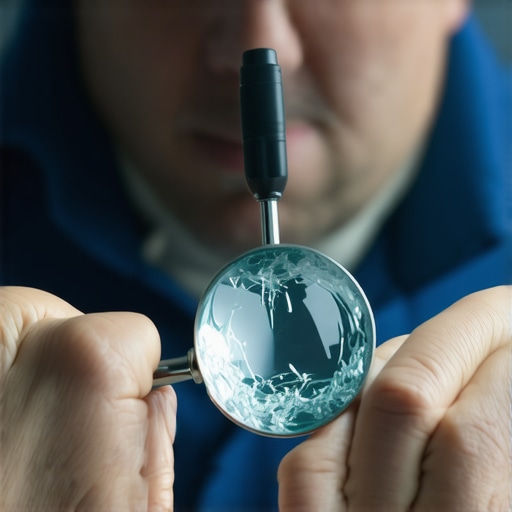
A proper chip repair is not just filling a hole with glue. It is a sophisticated chemical process. As a master glazier, I look at the refractive index of the resin. For a repair to be successful and nearly invisible, the resin must have a refractive index that closely matches the glass. This ensures that light passes through the repair rather than reflecting off the interface between the glass and the resin. The process requires a bridge and injector system. We use the bridge to apply a slight amount of pressure, almost like how you would shim a heavy sash to get it level. This pressure slightly opens the legs of the star. Then, we pull a vacuum to remove all air from the fracture. If air is left behind, it creates a pocket that will reflect light and leave a visible scar. Once the air is gone, we inject the high-viscosity resin and cure it with a specific UV wavelength. This cross-links the polymers, effectively welding the glass back together.
“Proper adhesion is the cornerstone of fenestration longevity, necessitating rigorous substrate preparation.” – ASTM E2112
Why Same-Day Mobile Service is Not a Luxury
Many drivers treat a glass installer like a secondary concern, but waiting is a gamble against physics. Contamination is the enemy of a perfect repair. Dust, road salt, and washer fluid contain surfactants and minerals that coat the inside of the fracture. Once these contaminants are in there, even the best resin cannot bond perfectly to the glass surface. This is why we emphasize same-day service. Our mobile units are equipped with the same precision tools I would use in a high-rise curtain wall repair, just scaled for automotive glass. We treat the windshield cowl like a sill pan, ensuring that the drainage and the weep hole areas are clear so that when we perform a repair, no moisture is being drawn into the work area via capillary action. We are not just fixing a chip; we are restoring the structural integrity of the laminated assembly.
The Installer Matters More Than the Price
Do not be fooled by the caulk-and-walk technicians who offer a twenty dollar fix in a grocery store parking lot. A real glass installer understands the shingle principle of water management and the chemical requirements of the bond. If the resin is not cured correctly or if the vacuum cycle is rushed, the repair will fail under the first sign of torque or temperature change. When you look at your windshield, remember that it is the only thing keeping your airbag properly positioned during a deployment. A star chip is a weak point in that safety system. By choosing a professional who understands glazing science, you are ensuring that your glass remains a solid barrier against the elements and a critical safety component for your journey. Focus on the numbers, the certifications, and the technical precision of the repair, not just the convenience of the appointment. Your safety depends on the molecular bond we create in those tiny radial cracks.