How to tell if your screen protector is actually tempered glass
The Frustrating Crack: A Master Glazier’s Perspective on Screen Protection
I have spent over twenty-five years looking through glass. From massive 500-pound insulated glass units in high-rise developments to the delicate restoration of 19th-century timber sashes, I have learned one immutable truth: glass never lies, but the people selling it often do. I have seen countless ‘caulk-and-walk’ installers ruin a perfectly good rough opening by ignoring the basic physics of water management, and the world of mobile device protection is no different. You see a five-dollar piece of plastic; I see a failed attempt at material science. Many homeowners approach me during a residential job, holding up their smartphones, asking why their ‘tempered’ protector shattered into long, jagged shards or why it is lifting at the edges like a poorly applied glazing bead. The reality is that the market is flooded with deceptive marketing. If you are paying for the security of tempered glass, you deserve to know if you are actually getting a chemically strengthened aluminosilicate substrate or just a glorified piece of PET plastic. This is not just about aesthetics; it is about the structural integrity of your device’s interface.
“Installation is just as critical as the window performance itself. A high-performance window installed poorly will fail.” AAMA Installation Masters Guide
The Condensation Crisis: A Lesson in Surface Science
A homeowner once called me in a panic because their new ‘high-tech’ screen protector was constantly ‘sweating.’ I walked in with my hygrometer, much like I would for a failed seal in a double-pane window, and showed them the humidity in their environment was 60 percent. It was not the protector’s fault; it was their lifestyle and the lack of an oleophobic coating on a subpar product. This ‘sweating’ was actually moisture trapped under a non-porous plastic film that was being marketed as glass. Real tempered glass has a specific thermal mass that handles temperature shifts differently. In my years of mobile service, I have found that people often mistake poor adhesion for a product defect. Much like how a sill pan is critical to a window’s survival, the preparation of the rough opening—in this case, your phone screen—dictates the success of the bond. If the surface is not decontaminated, even the best tempered glass will fail to perform its primary duty: energy dissipation during an impact.
The Physics of the South: Why Heat Matters
When we look at the climate context for glass, specifically in hotter regions like Phoenix or Florida, the Solar Heat Gain Coefficient (SHGC) becomes the primary metric of success. While you might not think your phone screen needs a Low-E coating, the physics of heat transfer remain relevant. In a southern climate, the enemy is radiant heat. A cheap plastic screen protector acts as an insulator, trapping the heat generated by the device’s processor and the sun’s infrared radiation. This causes the adhesive layer to reach its glass transition temperature, leading to delamination. A true tempered glass protector, however, has better thermal conductivity, allowing the device to dissipate heat more effectively. When I perform a chip repair on an automotive windshield or a mobile service for a storefront, I have to account for thermal expansion. A real tempered glass protector is designed with a specific compressive stress layer, usually created through an ion-exchange process where larger potassium ions replace smaller sodium ions in the glass surface. This creates a ‘skin’ that is under constant compression, making it significantly harder to scratch or penetrate than standard soda-lime glass or plastic.
How to Identify the Real Deal: The Glazier’s Tests
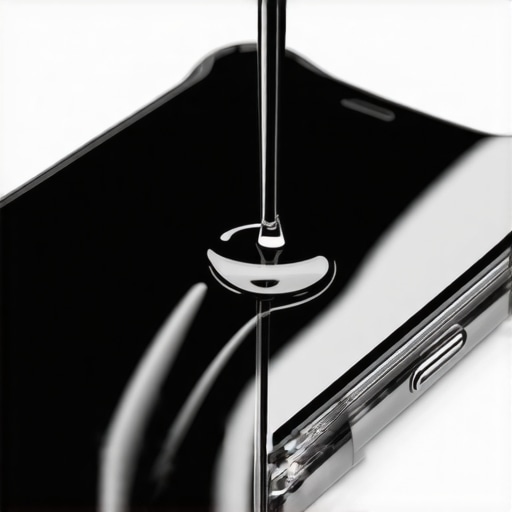
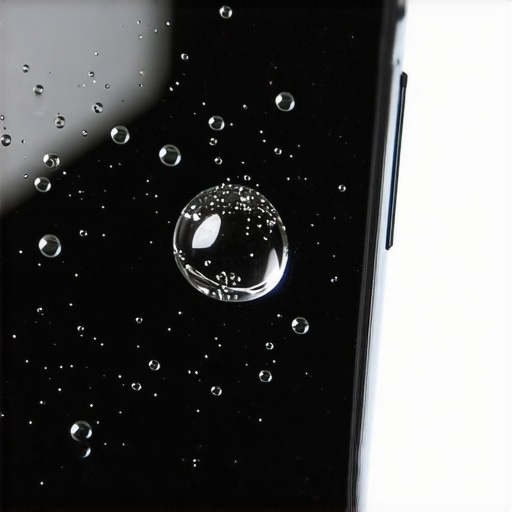
If you want to know if your protector is actually tempered glass, you need to look at the ‘dicing’ pattern. When I break a tempered window, it should crumble into small, relatively harmless granules. If your screen protector cracks and leaves long, needle-like splinters, it is not properly tempered. Another tell-tale sign is the scratch test. On the Mohs scale of mineral hardness, most plastics sit around a 2 or 3, while tempered glass is a solid 6 or 7. You can take a common copper penny; if it leaves a permanent mark, you are looking at plastic. Furthermore, look at the edges. A master glazier looks for a polished glazing bead. Real glass protectors will have a 2.5D or 3D curved edge that feels cool to the touch and mimics the thermal properties of the original screen. Plastic will always feel warmer because it is a poor conductor of heat. Finally, use the ‘water drop’ test. Real glass with a quality oleophobic coating will cause water to bead into a tight sphere with a high contact angle. On plastic, the water will spread out into a messy puddle.
“Glass is a transparent, brittle, and essentially non-crystalline material. Its strength is dictated by the quality of its surface and the absence of tensile stress at that surface.” ASTM E2112 Standard Practice
The Myth of the Same-Day Magic Fix
In my industry, everyone wants a same-day solution. Whether it is a glass installer arriving for a chip repair or a mobile service fixing a cracked window, speed is the selling point. However, speed should never come at the expense of proper flashing and shimming. When you apply a screen protector, you are essentially performing a miniature glazing job. You must ensure the ‘muntin’ lines of your device are clear and that the ‘operable’ parts, like the home button or sensors, are not obstructed. A real glass installer knows that if you don’t use a shim-like precision during the alignment, you will end up with air pockets that represent a failure in the vacuum seal. If you are looking for a same-day glass installer for your home or auto, apply the same skepticism you would to your phone accessories. Ask about their flashing tape protocols and their sill pan installations. If they don’t know what a weep hole is, they shouldn’t be touching your glass.
Final Technical Assessment
Don’t be fooled by the high-pressure sales tactics of the ‘Tin Man’ equivalents in the electronics world. Just because a box says ‘Tempered’ does not mean it has undergone the necessary thermal or chemical processing. Look for the NFRC-style transparency in their technical specs. You want a product that understands the balance between visible transmittance and structural durability. In the end, your screen protector is the first line of defense against the environment, much like the glazing in your home. It should be able to withstand the mechanical stresses of daily life while providing a clear, undistorted view of the world. If it fails to meet these glazier-level standards, it is time to peel it off and invest in real material science. Remember, in the world of glass, if the price seems too good to be true, you are likely the one who will end up with the rot.