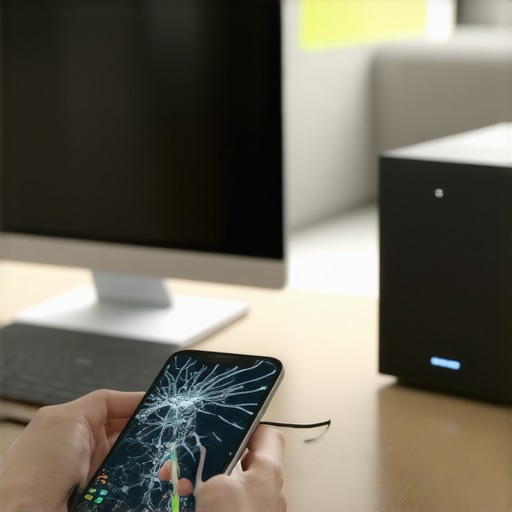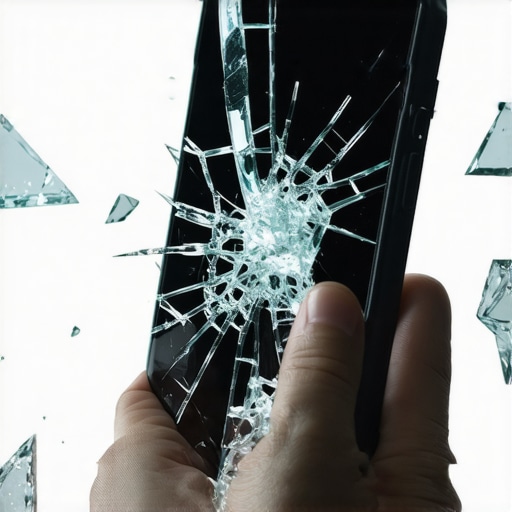
The risk of using a phone with a shattered back glass
Beyond the Aesthetic: Why Back Glass Integrity Matters
In the world of high-performance glazing, we often say that a window is only as good as its weakest seal. When I look at a modern smartphone, I do not see a gadget. I see a sophisticated architectural envelope. The back glass on your device is not merely a decorative panel; it is a structural component designed to manage thermal loads, provide torsional rigidity, and maintain an airtight seal against the environment. When that glass shatters, the entire system is compromised. A homeowner once called me in a panic because their new windows were sweating. I walked in with my hygrometer and showed them the humidity was 60 percent. It was not the windows; it was their lifestyle, but the point remained that the barrier was being tested by the internal environment. Your phone operates on the same principle. The moment the back glass is breached, you are no longer dealing with a sealed unit; you are dealing with a porous structure that is actively drawing in ambient moisture through capillary action.
The Physics of the Failure: Capillary Action and Vapor Pressure
When we examine a rough opening for a window installation, we focus on the flashing to ensure water moves away from the substrate. In a phone, the back glass is the primary flashing. Once a crack appears, it creates a microscopic channel. Physics dictates that moisture will move from areas of high concentration to low concentration. Because the internal components of a phone generate heat, they create a localized low-pressure zone. This draws in humid air through the cracks in the glass. This is not just a theory; it is the same mechanism that leads to the failure of an Insulated Glass Unit (IGU).
“The primary function of any glazing system is to maintain the integrity of the building envelope, preventing the migration of moisture into sensitive structural components.” – AAMA Installation Masters Guide
When moisture enters, it does not just sit there. It undergoes phase changes. As the phone heats up during a same-day charging cycle and cools down at night, that moisture condenses on the logic board. This is the silent killer of electronics, much like how unnoticed condensation behind a glazing bead can rot a wooden sash from the inside out.
Torsional Rigidity and the Loss of Structural Support
Most users believe the metal frame of the phone does all the heavy lifting. As a glass installer with 25 years of experience, I can tell you that the glass is a stressed member of the assembly. Modern phones use high-strength adhesives to bond the glass to the chassis, creating a monocoque-like structure. This provides the rigidity needed to prevent the internal components from flexing. When the glass is shattered, the sash of the phone—if you will—loses its ability to resist twisting forces. Every time you put the phone in your pocket or sit down, the frame flexes more than it was designed to. This stress is then transferred directly to the solder joints on the motherboard. In the glazing industry, we use a shim to ensure a window is perfectly plumb and level so it does not experience these uneven loads. Without the structural contribution of the back glass, your phone’s internal components are effectively un-shimmed, floating in an environment that is constantly shifting and bending.
The Dangers of Glass Migration and Laceration Risks
We often discuss the safety benefits of tempered glass in architectural settings. Phone glass is chemically strengthened through an ion-exchange process, creating a high-compression outer layer. When this layer is breached, the stored energy is released, often resulting in minute, needle-like shards. These are not always visible to the naked eye. As a professional, I have seen what happens when a chip repair is ignored; the crack propagation continues until the entire lite fails. With a phone, these shards can migrate. They can enter your skin, but more importantly, they can migrate inward. A single glass splinter can puncture a lithium-ion battery. This is why a mobile service for glass replacement is not just about convenience; it is about safety. The weep hole of a standard window is designed to let moisture out, but a phone has no such mechanism. Once glass dust enters the battery compartment, the risk of a thermal event increases significantly.
The Thermal Management Crisis
Glass is an excellent conductor of certain types of energy and an insulator for others. In a phone, the back glass serves as a heat sink, helping to dissipate the heat generated by the processor. A shattered back glass disrupts the thermal conductivity of the surface. Air pockets trapped between the shattered shards act as insulators, keeping the heat inside the device. This is the opposite of what we want in a high-performance building, where we might use a sill pan to manage water and specific coatings to manage heat.
“Glass breakage patterns are indicative of the stress concentrations present at the time of failure, and any compromised lite must be addressed to prevent systemic degradation.” – ASTM E2112
When your phone cannot shed heat effectively, the battery degrades faster. You are essentially running your phone in a permanent state of thermal stress, similar to a house with no ventilation and single-pane windows in the middle of a desert summer.
Why Professional Glass Replacement Is Non-Negotiable
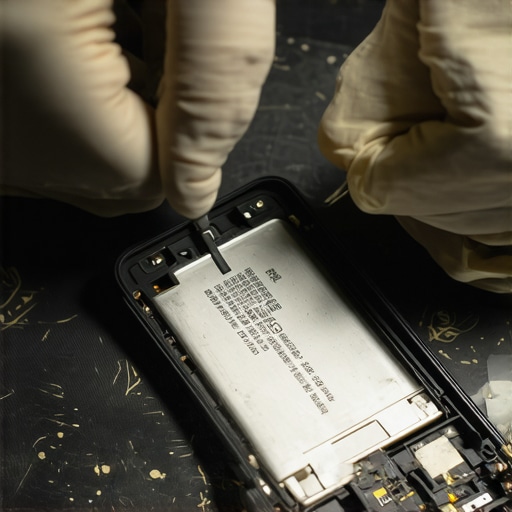
Many people consider DIY kits, but they lack the tools to ensure a proper seal. When I replace a window, I am looking at the flashing tape and the muntin alignment. When a professional glass installer replaces a phone back, they are not just gluing on a new piece of glass. They are cleaning the rough opening of the chassis, removing old adhesive that has been contaminated by oils and dust, and applying a new gasket that restores the IP rating of the device. This is a technical process that requires precision. If the new glass is not seated perfectly, you create a weep hole where none should exist, allowing dust and liquid to enter. The use of a mobile service allows this to be done in a controlled environment, ensuring that your device is returned to its original factory specifications. Do not wait for the moisture to reach the motherboard. If your back glass is operable only in the sense that it is falling apart, it is time for a professional intervention.
{“@context”:”https://schema.org”,”@type”:”HowTo”,”name”:”How to Address a Shattered Phone Back Glass”,”step”:[{“@type”:”HowToStep”,”text”:”Immediately cover the cracks with clear packing tape to prevent glass shards from migrating and to slow down moisture ingress.”},{“@type”:”HowToStep”,”text”:”Contact a professional glass installer who offers mobile service for a same-day repair to restore the structural integrity of the device.”},{“@type”:”HowToStep”,”text”:”Avoid exposing the phone to high humidity or liquids until the back glass is fully replaced and the seal is restored.”}]}