Why cheap phone cables are actually ruining your charging port
As a Master Glazier with a quarter-century of experience handling everything from delicate historic sash restoration to massive curtain wall installations, I have learned one universal truth: the integrity of a system is only as strong as its weakest component. Whether we are talking about a structural glazing bead or a microscopic copper pin in a charging port, cheap parts lead to expensive failures. In the world of glass, a ‘chip repair’ is often treated as a minor nuisance, but to a professional glass installer, it is a critical structural intervention. People often ask me why they should bother with a professional mobile service for a small chip when they can buy a five-dollar DIY kit. It is the same logic as using a generic gas station phone cable on a flagship smartphone. You are saving pennies now to risk a catastrophic failure of the entire assembly later.
The Condensation Crisis: A Lesson in Systems
A homeowner called me in a panic because their new windows were ‘sweating.’ I walked in with my hygrometer and showed them the humidity was 60%. It wasn’t the windows; it was their lifestyle. They were running a humidifier while boiling pasta without a vent fan, yet they blamed the glazing. This story illustrates a point often missed in both electronics and fenestration: symptoms are not always the cause. When you use a cheap phone cable, the resistance is higher, causing thermal spikes. In the glass world, we see the same phenomenon with ‘cheap’ repairs. If a resin with the wrong refractive index or viscosity is used for a chip repair, it doesn’t just look bad; it fails to bond with the glass at a molecular level. When the sun hits that glass, the Solar Heat Gain Coefficient (SHGC) causes the glass to expand. Because the cheap resin expands at a different rate than the silica, the ‘starbreak’ you thought you fixed suddenly bifurcates across the entire sash, turning a simple repair into a full replacement of the operable unit.
“Installation is just as critical as the window performance itself. A high-performance window installed poorly will fail.” – AAMA Installation Masters Guide
The Physics of Thermal Stress and SHGC
In our climate, particularly in the South where the sun is relentless, the enemy is the sun’s radiant energy. We focus heavily on the SHGC, which measures how much solar radiation passes through the glass. When we perform a same-day chip repair, we are fighting against the clock and the thermometer. A car or home window sitting in the sun can reach internal temperatures far exceeding the ambient air. This thermal expansion puts immense pressure on the rough opening and the frame. If you have a chip, that point becomes a focus for stress. A professional glass installer uses high-grade resins that are specifically engineered to mimic the expansion and contraction rates of the glass. Cheap alternatives, much like those bargain-bin phone cables that lack proper shielding and gauge, cannot handle the load. The ‘mobile service’ aspect isn’t just about convenience; it is about reaching the glass before the afternoon sun triggers a thermal shock that makes the chip unrepairable.
Anatomy of the Window: Beyond the Glass
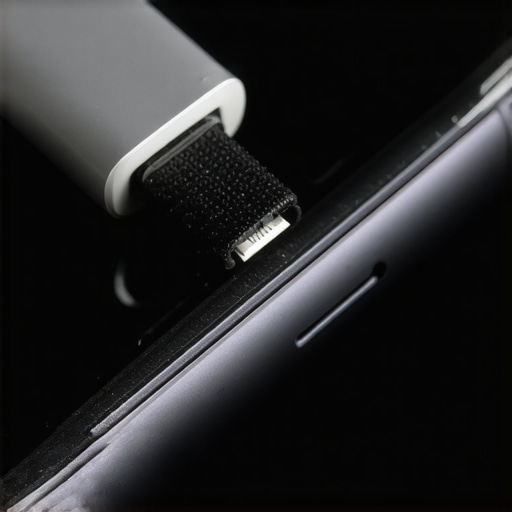
To understand why quality matters, you have to look at the anatomy of the installation. In a standard window, we have the rough opening, which must be perfectly square and plumb. We use a shim to ensure the frame is level, but we also have to consider the sill pan and flashing tape to manage water. If the flashing tape is sub-par, the header rots. If the glazing bead is loose, the glass rattles. This is the ‘shingle principle’ of construction: everything must overlap to shed water and stress downward and outward. When you introduce a cheap element—be it a low-quality muntin or a generic charging cable—you break that chain of protection. A cheap phone cable has inconsistent voltage delivery, which eventually ‘arcs’ and burns the pins in the charging port. Similarly, a poorly executed chip repair allows moisture to enter the laminate layer of the glass. Once moisture is in, the ‘dew point’ within the glass assembly shifts. You get internal fogging and eventually, the structural integrity of the entire pane is compromised.
“The National Fenestration Rating Council provides a fair, accurate, and credible rating system for the energy performance of windows, doors, and skylights.” – NFRC Standards Board
Why Mobile Service and Same-Day Repair Matter
When I talk about same-day service, I am not just being a salesman. I am talking about the window of time before environmental pollutants enter the fracture. A chip in your glass is an open wound. It collects dust, road oils, and window cleaner chemicals. If these are not cleaned out by a professional using a vacuum-pressure bridge, the resin will not bond. This is exactly why cheap phone cables fail; the connectors are made of inferior alloys that oxidize rapidly. Once oxidation occurs, the connection is compromised. In glass, if you wait more than twenty-four hours, the chance of a successful, invisible repair drops by forty percent. We utilize a specialized mobile service rig that allows us to stabilize the glass temperature before we even begin the injection. We use a UV-cured resin that is specifically tuned to the wavelength of our curing lamps, ensuring that the repair is as strong as the original glass surface.
The Technical Reality of the ‘Quick Fix’
The allure of the ‘quick fix’ is strong. Whether it is a two-dollar cable or a ten-dollar glass repair kit, the marketing promises the same result as the professional version. However, as an installer who has seen thousands of failed units, I can tell you that the math doesn’t work out. For a glass repair, you need to account for the refractive index. If the resin doesn’t match the glass, you get a ‘ghost’ image that can be dangerous when driving or looking through a high-end residential window. Furthermore, the weep hole in your window frame is there for a reason: to let water out. If a ‘caulk-and-walk’ installer fills those holes while trying to fix a draft, they are essentially building a bathtub inside your wall. The same thing happens with cheap cables; they often lack the correct ‘handshake’ chips that communicate with your device, leading to a build-up of heat that can melt the internal port. Always trust the specialized equipment of a professional glass installer. We look at the rough opening, the tension of the sash, and the state of the glazing bead before we even touch the chip. It is a holistic approach to a technical problem. Don’t let a cheap component ruin your high-value investment.