How to tell if your glass tech is using a generic mold
The Hidden Cost of Speed in Mobile Glass Repair
In my twenty-five years as a Master Glazier, I have seen the industry shift from a craft of precision to a race for the lowest common denominator. Everyone wants a same-day mobile service, and every glass installer claims they can do a chip repair in fifteen minutes. But there is a dirty secret in the glazing world that most homeowners and drivers never see until the whistling starts or the water begins to pool on the floorboards. That secret is the generic mold. When a technician arrives at your driveway, they are often carrying a roll of ‘universal’ molding—a one-size-fits-all strip of rubber or PVC that is supposed to replace the specific, engineered seal designed for your specific glass assembly. It is the hallmark of a ‘caulk-and-walk’ installer, and it is a technical failure waiting to happen.
The Whistling Truth: A Narrative of Mechanical Failure
A few months ago, a client called me in a state of absolute frustration. They had used a high-volume mobile service for a glass replacement, and ever since, the vehicle sounded like a tea kettle at any speed over forty miles per hour. The previous technician had assured them it was just the seal ‘setting’ and it would go away. I walked out to the curb with my digital calipers and a smoke pen. I didn’t need the smoke to see the problem. The glass installer had used a generic T-top molding that was nearly three millimeters narrower than the factory-specified part. I explained to the owner that this wasn’t an issue of the glass ‘settling’; it was a fundamental mismatch of profile geometry. The generic mold was not making contact with the pinchweld, creating a massive air gap that allowed high-velocity wind to vibrate the edge of the glass. It wasn’t just noisy; it was a structural liability. We pulled the glass, cleaned the substrate, and used the correct OEM-spec encapsulated molding. The silence was immediate. This is the difference between a technician who follows a checklist and a glazier who understands the physics of the opening.
“Installation is just as critical as the window performance itself. A high-performance window installed poorly will fail.” – AAMA Installation Masters Guide
The Science of the Seal: Polymer Chemistry and Shore Hardness
To understand why a generic mold fails, you have to look at the material science. Most OEM (Original Equipment Manufacturer) moldings are made from EPDM (Ethylene Propylene Diene Monomer) with a specific Shore A hardness. This hardness is carefully calibrated to provide enough compression to keep out water while remaining flexible enough to handle the thermal expansion and contraction of the glass. When a glass installer reaches for a generic roll, they are often using a cheaper PVC-based material. PVC is notoriously unstable in high-UV environments. Within eighteen months, that ‘seamless’ look turns into a chalky, brittle mess that shrinks. As the material shrinks, it pulls away from the corners of the Rough Opening or the frame, creating a path for Capillary Action to pull moisture behind the seal.
The Physics of the Chip Repair
Even a simple chip repair is subject to the same technical scrutiny. A generic resin used in a mobile service often has a refractive index that doesn’t match the glass. This isn’t just an aesthetic issue. If the resin’s viscosity is too high for the ambient temperature, it won’t fully penetrate the micro-fissures of the break. A true glazier adjusts their resin choice based on the dew point and the temperature of the glass surface. We aren’t just filling a hole; we are restoring the structural integrity of the pane. If the tech doesn’t use a UV-shielded bridge during the curing process, the resin can shrink prematurely, leading to a ‘flower’ effect where the crack begins to re-propagate under the stress of the Glazing Bead.
Climate Logic: The Enemy of the Generic Mold
In regions with extreme temperature swings, the generic mold is a death sentence for a window’s performance. If you are in a cold climate, the U-Factor of your installation is compromised the moment a gap appears. Cold air is denser and will find its way through the slightest imperfection in the Sash-to-frame interface. Generic moldings often lose their elasticity at sub-zero temperatures, meaning they fail to ‘rebound’ after a wind load event. Conversely, in hot, high-sun environments, the Solar Heat Gain isn’t just about the glass coating; it’s about the thermal bridge created by a failing seal. A generic mold can melt or ‘bleed’ plasticizers onto the glass, ruining the Low-E coating and creating a permanent stain on the Sash. This is why we insist on using thermally broken profiles and UV-stabilized EPDM seals that are engineered for the specific Rough Opening tolerances of the job.
“Standard practice for installation requires that all fenestration units be flashed and sealed to prevent air and water infiltration into the wall cavity.” – ASTM E2112
How to Audit Your Glass Installer
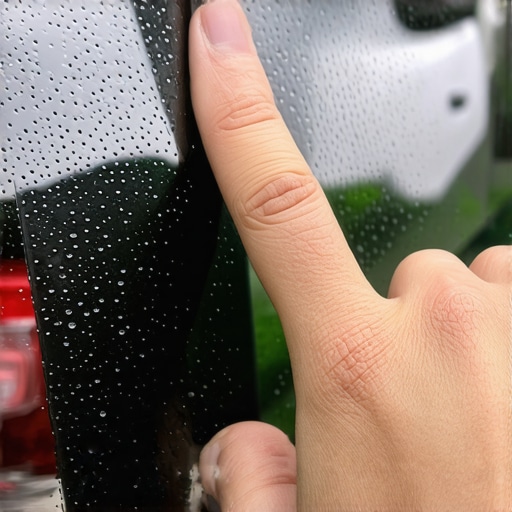
So, how do you tell if your tech is cutting corners? First, look at the packaging. Genuine parts come in labeled sleeves, not a tangled mess from a bulk roll. Second, look at the corners. A master glazier knows that corners are the primary failure point. If the molding is stretched thin at the corner or has a visible gap, it is a generic fit. The molding should seat flush against the glass and the frame without the need for excessive ‘caulk’ to hide the gaps. Look for the Weep Hole; a generic installation often inadvertently blocks these critical drainage paths, leading to internal rot in the frame. Finally, ask about the Shim placement. If they aren’t using setting blocks to center the glass within the frame, they are relying on the molding to hold the weight, which it is never designed to do. A quality installation manages the load, the air, and the water through mechanical precision, not just chemical adhesives.
Conclusion: Precision Over Convenience
The allure of a same-day mobile service is strong, but a window or a windshield is a critical component of your building’s or vehicle’s envelope. A ‘generic’ approach leads to long-term failure, moisture intrusion, and lost energy efficiency. When you hire a glass installer, you aren’t just paying for a piece of glass; you are paying for the expertise to manage the interface between the interior and the exterior world. Demand the right materials, check the profiles, and never accept a ‘one-size-fits-all’ solution for a custom-engineered opening. Your comfort and your property’s integrity depend on the technical accuracy of that final seal.