How to remove old adhesive without damaging your car paint
The Precision of Adhesive Management in Automotive Glazing
As a master glazier with over two decades in the trade, I have seen every possible failure when it comes to the bond between a substrate and its coating. Whether I am setting a high-rise curtain wall or performing a mobile windshield chip repair, the physics of adhesion remain the same. One of the most common calls I get involves the aftermath of a botched DIY job where someone tried to remove old adhesive from their vehicle. They usually start with a metal scraper or a harsh solvent and end up with a scarred clear coat that requires a body shop, not a glass installer. Understanding how to manage this process requires a deep dive into the chemical bonds and the thermal dynamics of the automotive finish.
“Installation is just as critical as the window performance itself. A high-performance window installed poorly will fail.” – AAMA Installation Masters Guide
I remember a specific case where I pulled a windshield out of a late-model sedan in Houston. The client had tried to remove an old parking permit from the corner where the glass meets the cowl. They used a standard razor blade and hacked right through the paint down to the bare metal of the A-pillar. Because the previous installer had relied on a poor bead of urethane instead of ensuring the integrity of the rough opening, water had been seeping into that scratch for months. By the time I arrived, the metal was completely black with rot and oxidation. This is what happens when you treat a vehicle like a hobby project instead of a complex assembly of glass, metal, and chemical coatings. The rough opening of a car, much like the frame of a house window, must be treated with absolute reverence for its water-shedding capabilities.
The Science of Solar Heat Gain and Adhesive Fusion
When you are operating in a southern climate where the sun is relentless, the Solar Heat Gain Coefficient or SHGC of your glass plays a massive role in how adhesives behave. In places like Texas or Florida, the radiant heat of the sun is absorbed by the dark paint and the glass, effectively baking any sticker or sealant residue into a hardened polymer mass. This is why a simple same-day mobile service for chip repair can become a nightmare if the installer does not understand thermal limits. The heat increases the cross-linking of the adhesive molecules, making them more resistant to standard pulling forces. To remove this without damaging the paint, we have to talk about the glass transition temperature of the adhesive versus the clear coat of your car.
The clear coat is a thin layer of non-pigmented resin that protects the color below. It is surprisingly fragile when exposed to certain aliphatic hydrocarbons or mechanical abrasion. When I approach an adhesive removal task, I look at it through the lens of ASTM E2112 principles. Even though that standard applies to exterior windows in buildings, the concept of the shingle principle and protecting the substrate is universal. You never want to use a tool that is harder than the surface you are working on. This is why I use specialized plastic shims and glazing bead tools made of high-density nylon. These tools allow me to apply mechanical pressure to the adhesive without exceeding the Mohs hardness of the paint finish.
The Step-by-Step Restoration of the Surface
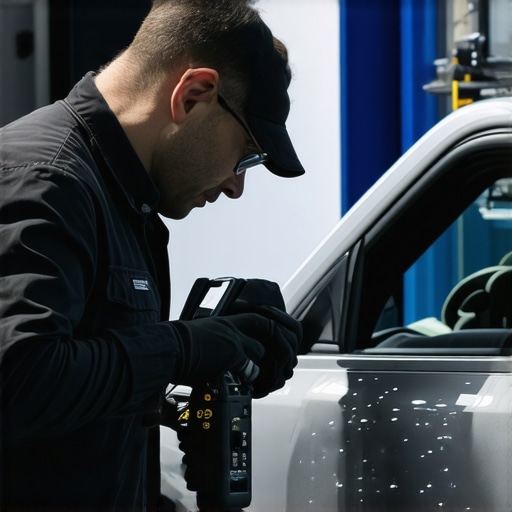
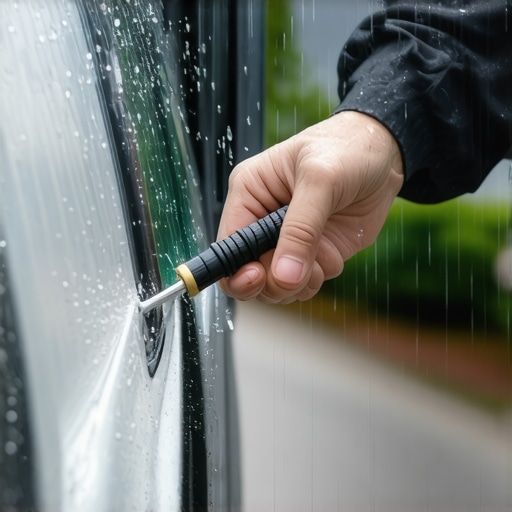
First, we must address the thermal state of the vehicle. If the car has been sitting in the sun, the paint is expanded and vulnerable. I prefer to work in a shaded environment where the surface temperature is below 90 degrees Fahrenheit. I apply a targeted heat source, like a professional-grade heat gun, but I am not just blowing hot air. I am watching for the moment the adhesive reaches a viscoelastic state. You can see the change in the surface tension. Once the adhesive is softened, I use a plastic razor held at a 15-degree angle. This angle is critical. Too steep, and you gouge the paint. Too shallow, and you just slide over the top. It is the same precision required when I am trimming a muntin or adjusting a sash for a perfect fit.
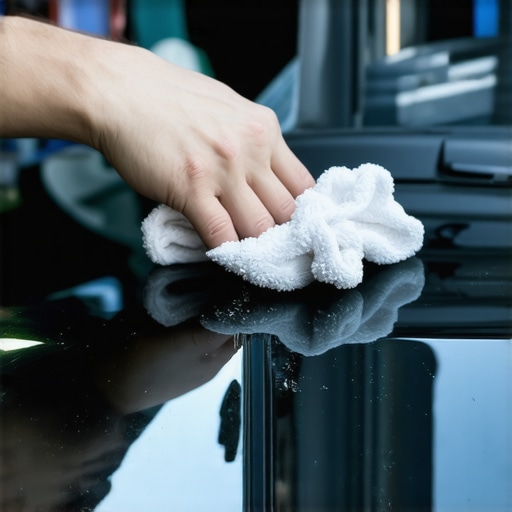
After the bulk of the material is removed, we are left with the residue. This is where most people fail. They reach for the acetone, which can soften the clear coat and lead to permanent clouding. Instead, I use a citrus-based solvent with a high concentration of D-Limonene. This breaks down the tackifiers in the adhesive without attacking the urethane bonds of the paint. I apply it to a microfiber cloth, not the car itself, to maintain control. This is the same level of care I take when cleaning a sill pan or a weep hole during a complex window installation. You want the chemical to do the work, not the elbow grease. If you have to scrub, you have already lost the battle.
“Standard practice for installation of exterior windows, doors, and skylights requires meticulous attention to the interface between the product and the wall.” – ASTM E2112
Why Mobile Service and Professional Chip Repair Matter
If you are dealing with adhesive because of a broken or chipped window, the timing of the repair is vital. A mobile service that offers same-day glass repair is not just about convenience. It is about preventing the ingress of moisture and debris into the laminate layer of the glass. When a chip occurs, the structural integrity of the glazing is compromised. If you wait, the thermal expansion and contraction cycles of the day will drive that chip into a full-blown crack. A professional glass installer uses a bridge and injector system to force a high-viscosity resin into the break. This resin has a refractive index that matches the glass, making the repair nearly invisible while restoring the strength of the windshield. This is a far cry from the cheap DIY kits you see in big-box stores. Those kits lack the vacuum pressure needed to remove air from the rough opening of the chip, leading to a cloudy and weak repair.
In the world of professional glazing, we understand that every hole in the structure, whether it is a window in a skyscraper or a windshield in a truck, is a potential failure point. Managing the adhesives and sealants that protect these openings requires a technical mindset. You cannot just caulk over a problem. You have to understand the flashing, the drainage, and the chemical compatibility of every component. When you remove a sticker or an old registration tag, you are performing a micro-version of a full-frame tear-out. Treat it with the same technical respect, or you will be looking at a repair bill that far exceeds the cost of doing it right the first time. Precision, patience, and the right chemistry are the only tools that matter in this trade.