How to stop a rock chip from spidering in the summer heat
The Physics of the Heat-Induced Fracture
As a master glazier with over 25 years in the field, I have seen every type of glass failure imaginable. From structural curtain walls in skyscrapers to the laminated safety glass of a modern sedan, the principles of thermal stress remain constant. When a rock hits your windshield, it creates a localized point of failure in the outer ply of the laminated glass. In the dead of summer, this isn’t just a cosmetic blemish; it is a ticking time bomb. The solar heat gain on a dashboard can easily push glass temperatures past 140 degrees Fahrenheit. This causes the glass to expand. However, because the glass is fixed within a frame, and because the rock chip has compromised the structural integrity of the outer layer, that expansion has nowhere to go but outward, driving the fracture deeper into the glass substrate.
“Installation and maintenance are just as critical as the glass performance itself. A high-performance glazing system that is compromised by a point-load impact will eventually fail under thermal load.” AAMA Glass Performance Standards
I recall a specific incident where a homeowner called me in a panic because their new windshield was sweating and then suddenly cracked across the entire driver side. I walked in with my hygrometer and thermal camera and showed them that the internal temperature of the glass was fluctuating by 50 degrees every time they cycled their climate control. It wasn’t a defect in the glass; it was the lack of immediate chip repair combined with extreme thermal shock. They had a tiny star break that could have been fixed with a simple resin injection, but they waited until the July sun turned that star into a spider web.
The Anatomy of Automotive Laminated Glass
To understand why same-day repair is critical, you must understand the material science of the windshield. Unlike the tempered glass used in side windows, which is designed to shatter into tiny pebbles, the windshield is a sandwich. You have two layers of annealed glass bonded by a Polyvinyl Butyral (PVB) interlayer. This interlayer is what keeps you inside the car during a collision, but it also creates a complex thermal relationship. When the sun beats down on that glass, the outer layer absorbs radiant energy. If there is a chip, the rough opening of that crack becomes a stress concentrator. In the trade, we talk about the dew point and moisture, but in auto glass, we talk about resin viscosity. A quality glass installer uses a bridge and injector to force air out of that rough opening and replace it with a UV-curable resin that matches the refractive index of the glass.
Why Mobile Service is a Necessity in High Heat
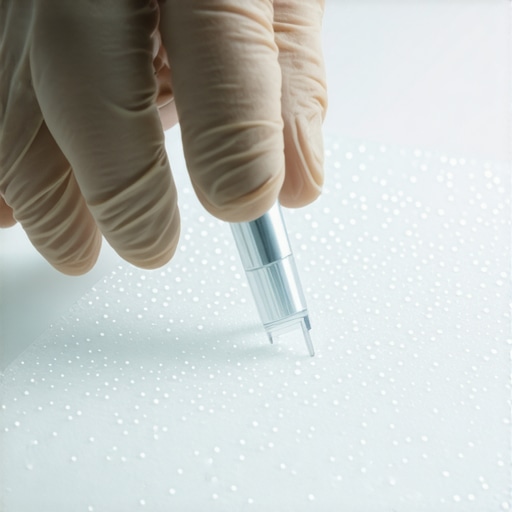
Many people think they can drive around for a week with a chip. That is a mistake. The vibration of the road, combined with the extreme heat, means that the chip is constantly being pressured. This is why mobile service is the gold standard for modern chip repair. A mobile technician can reach your vehicle while it is parked in the shade, preventing the need for you to drive the car and potentially hit a pothole that sends a shockwave through the glass. When the technician arrives, they don’t just ‘caulk and walk.’ They use a precision tool to clean the pit, ensuring no debris is trapped. They then apply a vacuum to the break. This is critical. You cannot simply drop resin into a crack; you must evacuate the air first. If air remains, it will expand when heated, causing the repair to fail and the crack to reappear.
“The integrity of the laminate is dependent on the exclusion of air and moisture from the fractured area. Any delay in sealing the break increases the probability of a long-term failure.” ASTM E2112 Installation Protocols (Modified for Fenestration)
The resin used in a chip repair is not a simple glue. It is a specialized monomer that must be cured with a specific UV wavelength. In the summer heat, the curing process can be tricky. If the glass is too hot, the resin will cure too quickly and may shrink, leaving a visible line. A professional glass installer will often use a sunshade or even cool the glass down gradually before beginning the injection. This level of technical precision is what separates a permanent repair from a temporary fix.
Thermal Expansion and the Shingle Principle
In residential glazing, we use the shingle principle to ensure water flows down and away from the rough opening. In auto glass, we apply a similar logic to thermal management. The black frit around the edge of your windshield is there to provide a bonding surface for the urethane, but it also helps to distribute heat. However, when a chip is near the edge of the glass, the thermal gradients are even more extreme. The center of the windshield might be 110 degrees while the edges, cooled by the frame of the car, remain at 90. This differential is a primary driver of spidering. By utilizing a same-day mobile service, you are essentially ‘flashing’ the break before the environmental factors can exploit it. The resin acts as a structural bridge, restoring the tension across the glass surface and preventing the expansion of the fracture.
Selecting the Right Glass Installer
Do not be fooled by high-pressure sales tactics that suggest triple-pane or exotic coatings are the only way to manage heat. For your vehicle, the best defense is a proactive repair strategy. When looking for a technician, ask about their vacuum-pressure cycle. Ask about the brand of resin they use. A master glazier will be happy to explain the molecular bonding of their acrylates. They won’t just fill the pit; they will ensure the resin has flowed into every microscopic leg of the star break. This is the difference between a repair that lasts the life of the vehicle and one that fails the next time you turn on your air conditioner in the middle of an August afternoon. Focus on the numbers, the science, and the immediate response of a mobile professional.