How to spot a windshield technician using expired resin
The Hidden Danger of Mobile Glass Repair
In the world of high-stakes glazing, whether you are dealing with a skyscraper’s curtain wall or a laminated windshield, the chemistry of the bond is everything. Many car owners prioritize a same-day mobile service because it is convenient, but as a master glazier with 25 years in the field, I have seen where that convenience leads. When a glass installer shows up at your driveway, they are not just performing a chip repair; they are conducting a complex polymer intervention. The success of that intervention relies entirely on the chemical integrity of the resin. If that resin is past its prime, your windshield is little more than a ticking time bomb. Just like a sill pan in a window installation that fails to divert water, expired resin fails to manage the structural stress of the glass.
“Installation is just as critical as the window performance itself. A high-performance window installed poorly will fail.” – AAMA Installation Masters Guide
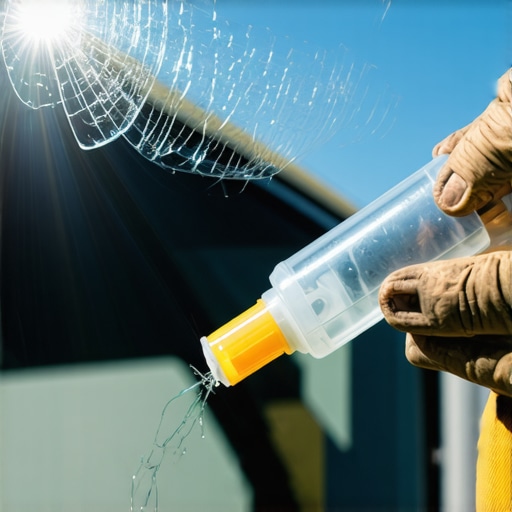
I recall a specific instance where I was called to inspect a failed chip repair on a luxury sedan in Phoenix. The homeowner was baffled because the repair had been done only two weeks prior by a high-volume mobile service. When I examined the impact point, the resin hadn’t just failed; it had turned a brittle, chalky yellow. I pulled a piece of the repair plug out and it crumbled like dry bread. Why? The previous tech had used a bottle of resin that had been sitting in the back of a van in 110-degree heat for six months. The photoinitiators had cooked, and the monomers had already begun to partially polymerize inside the bottle. It was a classic ‘caulk and walk’ move that left the rough opening of the glass crack vulnerable to the next thermal shock.
The Chemistry of the Cure: Why Expiration Matters
To understand why expired resin is a failure, we have to look at the ‘Glazing Zoom’ of the chemical process. Windshield resin is typically composed of acrylic acid esters and photoinitiators. When exposed to a specific frequency of ultraviolet light, these photoinitiators trigger a cross-linking reaction. In architectural glazing, we look at how a glazing bead holds a sash in place; in auto glass, the resin must act as the muntin, the frame, and the glass itself within that tiny chip repair. The refractive index of the resin must match the glass, which is usually around 1.52. As resin ages, its viscosity changes. A resin that is too thick will not penetrate the microscopic fissures of a star break. If the glass installer is using resin that has separated or thickened, they are essentially just surface-coating the damage rather than structurally reinforcing it. This is particularly dangerous in hot climates where the Solar Heat Gain Coefficient (SHGC) is high. In a place like Texas or Florida, the sun hits that glass and the surface temperature can soar. If the resin hasn’t bonded at a molecular level because it was expired, the expansion and contraction will cause the repair to pop, leading to a full-length crack.
How to Spot the Amateur: The Technical Red Flags
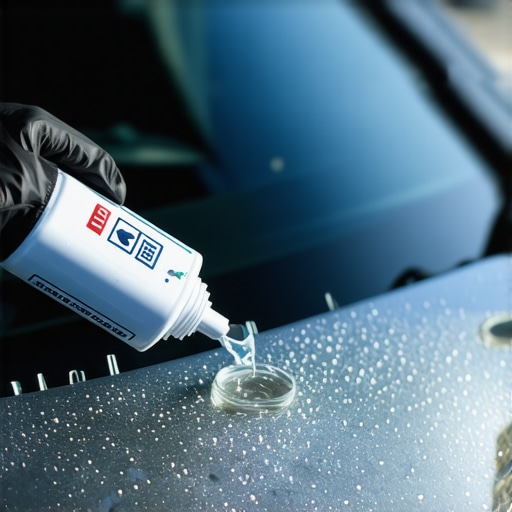
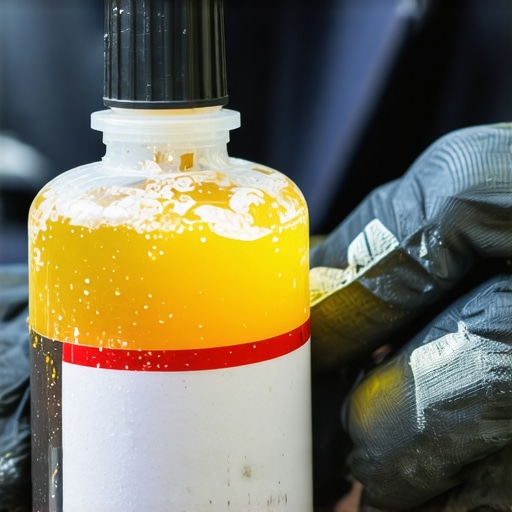
If you are watching your glass installer work, look for these three technical indicators. First, check the bottle. Professional-grade resins have batch numbers and expiration dates. If the tech is pouring from a generic, unlabeled bottle, they are likely buying in bulk and refilling, which is a massive red flag for same-day operations. Second, look at the color of the resin before it is injected. It should be crystal clear. Any tint of amber or yellow indicates that the resin has been exposed to heat or oxygen, degrading its bond strength. Third, watch the bridge and injector setup. A master tech will shim the bridge to ensure it is perfectly perpendicular to the glass. If they are rushing and the resin is leaking out from the pit filler area, the viscosity is likely wrong. We often see this with technicians who don’t understand that resin is a living chemical. It’s not like flashing tape or a weep hole that performs the same regardless of age; resin is active.
“The quality of the repair is directly proportional to the stability of the resin’s chemical bond with the laminate interlayer.” – ROLAGS (Repair of Laminated Auto Glass Standard)
The Physics of Climate and Glass Stress
In my 25 years, I’ve learned that the climate dictates the glass. In the South, where the enemy is the sun, we need the resin to have high UV stability. If a mobile service tech uses old resin in a high-SHGC environment, the heat will actually continue to ‘cook’ the repair after the tech leaves, causing the resin to shrink and pull away from the edges of the break. This is why we focus on Surface #2 coatings in architectural windows to reflect heat, but in a windshield, we rely on the resin to maintain its elasticity. If the repair is operable in the sense that the glass is constantly flexing under wind load and heat, the resin must be perfect. Don’t settle for a tech who treats your windshield like a secondary thought. Insist on seeing the expiration date of their chemicals. A true professional will welcome the question because they know their equipment is top-tier. Quality glazing is about more than just filling a hole; it is about restoring the structural integrity of the barrier between you and the world.