How to save your phone after it falls in the snow
The Sudden Chill: Why Snow is a Crisis for Both Electronics and Glass
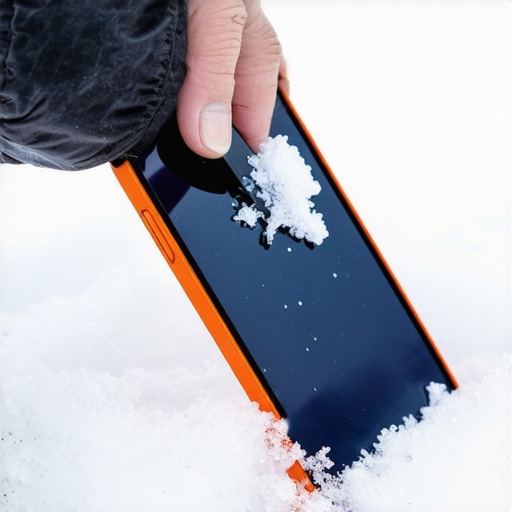
When you see your smartphone disappear into a powdery snowbank, your first instinct is a frantic grab. As a master glazier with over two decades in the field, I look at that situation through the lens of thermal dynamics. You aren’t just fighting moisture; you are fighting a rapid temperature shift that can compromise the structural integrity of the glass and the sensitive seals within the device. Much like a rough opening in a new construction project, your phone’s ports are gaps in the ‘wall’ that must be managed. If you don’t act quickly, that phone becomes as useless as a foggy, failed Insulated Glass Unit (IGU). Most people think the water is the only enemy, but the dew point is the silent killer. When the cold device meets a warm room, condensation forms inside the components, just as it does on the glazing bead of an underperforming window.
The Condensation Crisis: A Hard Lesson in Humidity
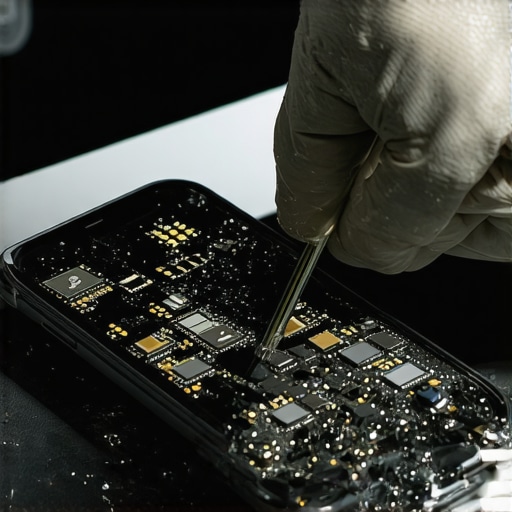
A homeowner called me in a panic because their new windows were ‘sweating’ profusely during the first big freeze of the year. I walked in with my hygrometer and showed them the humidity was 60 percent. It wasn’t the windows; it was their lifestyle. They were boiling pasta and running a humidifier while it was ten degrees outside. The windows were actually doing their job, but the air was over-saturated. I had to explain that even the highest quality sash cannot overcome the laws of physics if the interior dew point is too high. This is the same reason you don’t just throw a snow-covered phone onto a hot radiator. The rapid shift causes the air inside to reach the saturation point instantly, turning vapor into liquid water on the delicate motherboards. You have to stabilize the environment before you can fix the hardware.
Immediate Steps: The Mobile Service Protocol for Frozen Tech
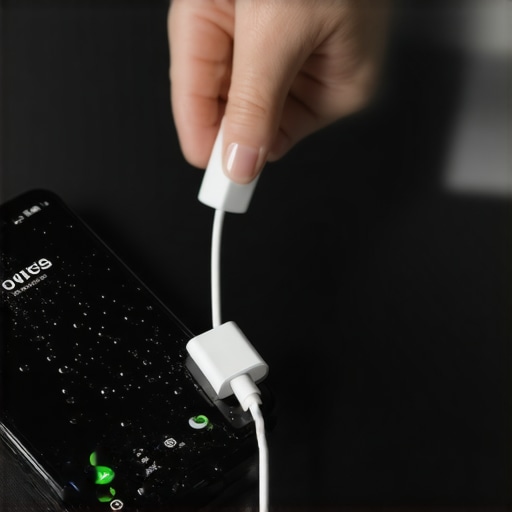
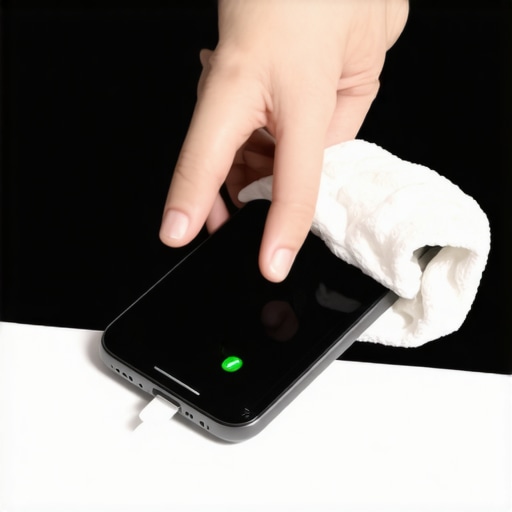
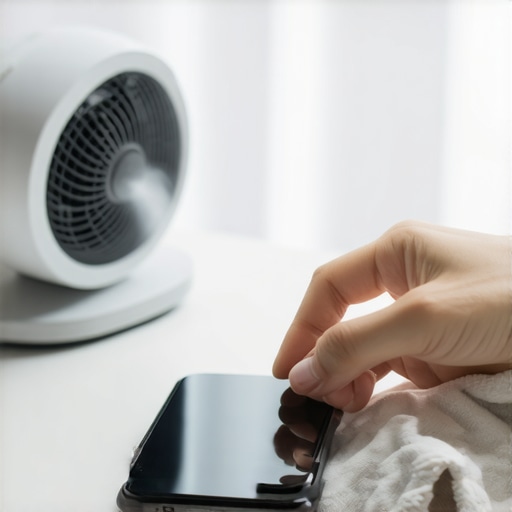
If your phone falls in the snow, treat it like a chip repair on a windshield. Time is your greatest enemy. First, power it down immediately. This stops the electrical current from interacting with any moisture that has bypassed the seals. Second, do not use a hair dryer. High-heat blowers can warp the adhesives that hold the glass screen to the frame, much like how excessive heat can degrade the flashing tape on a window installation. Instead, gently pat the exterior dry and use a vacuum to draw moisture out of the charging port. For glass, if you notice a crack while cleaning the snow off your device, you need to treat it like a structural failure. In the window industry, we prioritize same-day interventions because a small fissure in cold weather will expand. When water enters a crack and freezes, it expands by nine percent. That expansion force is enough to shatter a tempered sash or a smartphone screen in seconds.
“Installation is just as critical as the window performance itself. A high-performance window installed poorly will fail.” AAMA Installation Masters Guide
The Science of the North: Why U-Factor Matters
In cold climates like Chicago or Minneapolis, we don’t worry about solar heat gain as much as we worry about the U-Factor. The U-Factor is the rate at which a window, door, or even a glass screen conducts non-solar heat flow. The lower the number, the better the insulator. When your phone is sitting in the snow, the U-Factor of the glass is working against you. The heat from the battery is being sucked out into the cold sink of the snowbank. This is why high-performance windows in the North utilize Argon gas fills and Low-E coatings on Surface #3. By placing the silver-oxide coating on the outer face of the interior pane, we reflect the long-wave infrared radiation (your home’s heat) back into the room. If you are dealing with a cracked screen or a broken window in the winter, a glass installer must ensure that the replacement maintains this thermal barrier. A cheap, single-pane fix is a recipe for a massive energy bill and constant drafts.
The Anatomy of Winter Glass Failure
Why do windows crack when it snows? It often comes down to the shim placement or a tight rough opening. If a window doesn’t have room to expand and contract, the frame puts pressure on the glass. When the exterior pane hits thirty degrees and the interior is seventy, the glass experiences significant stress. If there is a pre-existing nick, you get a stress crack. This is why mobile service technicians for glass repair stay so busy in January. They are out there injecting resins into chips before the freeze-thaw cycle completes the destruction. For your phone, the same principle applies. A small ‘spider’ crack on your screen is an invitation for snow melt to enter the liquid crystal display. Same-day repair isn’t a luxury; it is a necessity to save the internal components.
The Myth of the Quick Fix
Many people believe that putting a phone in rice or putting a piece of duct tape over a window crack is a permanent solution. As a professional, I find this ‘caulk-and-walk’ mentality dangerous. Rice doesn’t pull moisture out of the deep recesses of a device effectively, and it can introduce dust into the ports. Similarly, a piece of tape on a window doesn’t stop the thermal bridge. You need a professional glass installer who understands sill pans and weep holes. A window must be able to breathe and drain. If you block the weep hole with ice or debris, the water backs up into the house. If you don’t properly seal your phone after a screen repair, the next time it’s in a humid environment, it will fail.
“The thermal performance of a window system is the primary defense against internal condensation in cold climates.” NFRC Technical Bulletin
Technical Specifications for Winter-Ready Glass
When selecting a glass installer for winter repairs, you should ask about their materials. Are they using warm-edge spacers? Older aluminum spacers act as a thermal bridge, conducting the cold from the outside directly to the edge of the glass, which is where condensation begins. Modern spacers made of foam or stainless steel reduce this conduction. When your phone falls in the snow, the metal frame acts just like an old aluminum spacer, pulling the heat out and inviting the cold in. If you are replacing windows to avoid this, look for a U-Factor of 0.27 or lower. Ensure the rough opening is properly flashed with a high-quality membrane. This prevents the ‘rot repair’ nightmares where the header turns black because the installer relied on a nailing fin rather than a true drainage plane. Whether it is a smartphone or a double-hung window, the goal is the same: keep the moisture out and the heat in. Don’t let a minor incident in the snow turn into a total loss. Seek same-day expertise to maintain the integrity of your home’s envelope or your digital life.