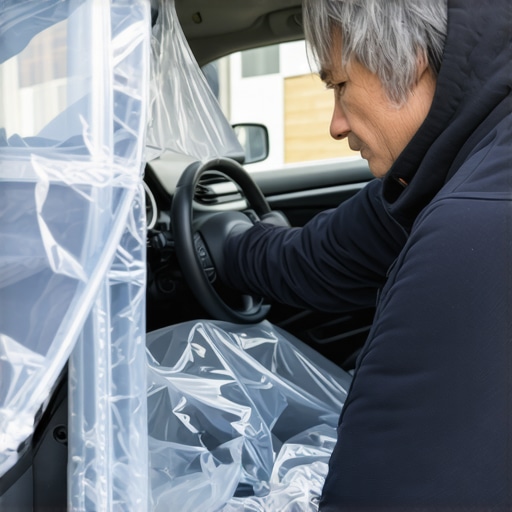
How to protect your car interior during a mobile glass fix
Beyond the Glass: Why Interior Protection is the Glazier’s First Priority
In the world of professional glazing, a window is never just a piece of silica, soda ash, and lime. It is a critical component of a complex thermal and structural envelope. When you schedule a mobile service for a chip repair or a full windshield replacement, you are inviting a high-stakes chemical and mechanical operation into your vehicle’s cabin. Most owners focus on the clarity of the glass, but a master glass installer knows that the real battle is won or lost on the surfaces surrounding the glass. A single drop of high-viscosity methacrylate resin or a splash of black silk-screen primer on a premium leather dashboard is more than a nuisance; it is a permanent failure of professional protocol. I have spent over two decades in the glazing industry, and I have seen the results of what I call the caulk-and-walk mentality. I once pulled a shattered side window out of a luxury sedan in Miami where the previous technician had used a standard metal scraper without protecting the door card. The result was a series of deep gouges in the door trim that cost more to replace than the glass itself. Proper glass work is about managing the Rough Opening of the vehicle, ensuring that the Sill and Glazing Bead areas remain pristine while the structural integrity of the glass is restored.
“The auto glass technician shall ensure that all interior and exterior surfaces are protected from damage during the repair or replacement process.” ANSI/AGRSS 003-2015 Standard
To understand why protection is so vital, we must look at the physics of the chip repair process. When a rock hits your windshield, it creates a break in the outer layer of the laminated glass. This glass is a sandwich: two layers of annealed glass held together by a PVB (Polyvinyl Butyral) interlayer. The repair process involves injecting a clear resin into that fracture. This resin is formulated to have a refractive index nearly identical to glass, but it is also a powerful chemical agent. If that resin escapes the injector and hits your interior plastics, it can cause immediate etching. During a same-day mobile fix, the technician is often working in uncontrolled environments where wind or sudden movements can cause tools to slip. This is why a professional will always deploy a multi-layer shielding strategy. They start by masking the Sash area and the dashboard with heavy-duty drop cloths. They aren’t just there for aesthetics; they are there to catch the microscopic glass shards, known as glass dust, that are generated when the technician drills into the break to clear out air pockets. If this dust gets into your HVAC vents, it can circulate through the cabin for weeks, causing respiratory irritation and scratching the internal plastic components of your ventilation system.
The South/Hot Climate Challenge: Managing SHGC and Resin Stability
In regions like Phoenix, Texas, or Florida, the mobile service environment is particularly hostile. The Solar Heat Gain Coefficient (SHGC) of your car’s glass is usually designed to keep the cabin cool, but during a repair, the glass is under intense thermal stress. High ambient temperatures can make the glass expand, narrowing the fracture you are trying to fill. Conversely, the U-Factor or the rate of heat transfer through the glass can cause the resin to cure too quickly if exposed to direct sunlight before it has properly filled the legs of the crack. A master glazier will use a UV shield not just to protect the dashboard from the sun, but to control the curing environment. They understand that the Low-E properties of modern automotive glass are designed to reflect long-wave infrared radiation, but the resin needs specific 365nm to 400nm UV light to initiate the anaerobic curing process. If the technician does not shield the interior, the radiant heat from the dashboard can actually cook the resin from the bottom up, leading to a brittle repair that will fail at the first sign of a temperature swing.
“Proper adhesion is dependent not only on the chemical bond of the urethane but on the cleanliness and integrity of the pinchweld environment.” NGA (National Glass Association) Installation Guidelines
The glass installer must also consider the Weep Hole logic of the vehicle’s body. Just as a commercial window system uses a Sill Pan and weep holes to manage water infiltration, a car’s door and windshield frame are designed to channel water away from the cabin. During a mobile glass fix, especially if it involves removing the old glass, the technician must ensure that no debris, old urethane, or Flashing Tape residue clogs these drainage paths. I always tell my apprentices that they are not just replacing glass; they are managing a moisture barrier. If they leave a single Shim or a piece of debris in the cowl area, they are inviting rot and mold into the vehicle’s firewall. This is the difference between a technician and a craftsman. The craftsman protects the interior by sealing the air vents and covering the electronics before the old glass is even touched. They know that the static charge generated by removing a windshield can attract glass dust directly into the sensitive electronic modules housed under the dashboard. [IMAGE_PLACEHOLDER]
Practical Steps for Homeowners During Mobile Service
When the mobile service van pulls into your driveway for a same-day repair, you can take several steps to ensure your interior remains protected. First, ensure the vehicle is parked in a shaded area if possible. This lowers the surface temperature of the glass and the dashboard, making the resin more stable and reducing the risk of thermal shock. Second, clear the dashboard and the rear-view mirror area of all accessories. This gives the glass installer a clean Rough Opening to work with and minimizes the chances of a tool snagging an item. Finally, verify that the technician is using a dedicated interior protection kit. This should include a steering wheel cover, a seat cover, and a dashboard mat. If you see them reaching for the resin without covering the dash, stop the process. The SHGC and UV exposure in a hot climate can turn a small spill into a permanent blemish in minutes. A professional understands that the Glazing Bead and the interior trim are just as important as the glass itself. They will use a Sill vacuum to remove any fragments and will never rely on the caulk-and-walk method. They will check the Operable parts of the window system, like the side glass regulators, to ensure no glass shards have fallen into the tracks, which could cause a motor failure later on. Protecting your car interior is about more than just cleanliness; it is about preserving the mechanical and structural health of the entire vehicle through meticulous water management and chemical safety.